Widespread Flight Disruptions Impact Major US Airports
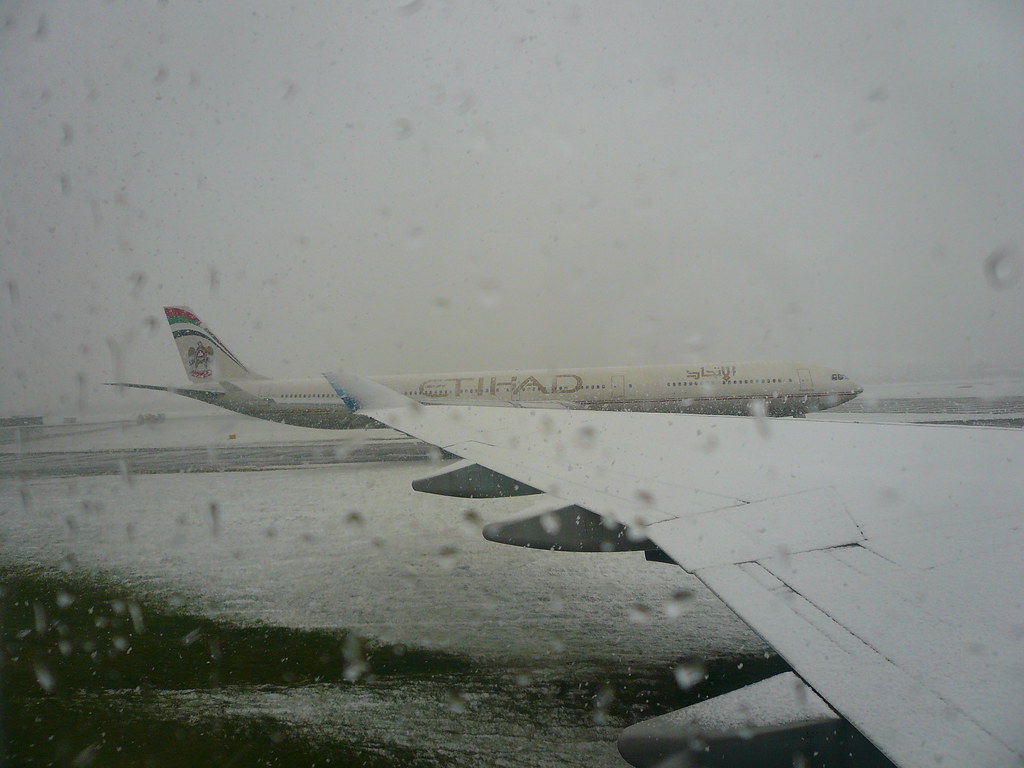
A significant wave of flight delays and cancellations has swept across the United States, affecting major hub airports including Chicago O’Hare, Denver International, Dallas/Fort Worth, and Atlanta Hartsfield-Jackson. Delta Air Lines, United Airlines, Southwest Airlines, and American Airlines have all reported numerous operational challenges linked to severe weather conditions and ongoing Federal Aviation Administration (FAA) capacity constraints.
Travelers navigating these hubs have encountered disruptions which industry observers attribute to a combination of severe storms and stringent FAA-imposed limits on airport operations. These factors contributed to a surge of more than six thousand flight delays reported nationwide, with many departures either
postponing departure times significantly or being canceled altogether.
Interaction Between Severe Weather and FAA Operational Limits
Severe weather events have long been a catalyst for cascading effects across the US air travel network. In this instance, storm conditions have reduced visibility and runway availability, complicating air traffic control efforts. When coupled with FAA regulatory capacity caps—measures designed to manage runway throughput and maintain safety—the operational environment becomes even more constricted.
FAA capacity caps operate as temporary limits on the number of flights that can arrive or depart from congested airports under certain conditions. While they are essential tools to ensure safety during adverse conditions or heightened traffic periods,
their enforcement can result in widespread backlogs that ripple across airline schedules.
The intersection of severe storms and these regulatory measures has produced considerable disruptions centered in key US airport hubs. This has inevitably impacted airline operations for several major carriers, with Delta, United, Southwest, and American experiencing some of the most significant effects.
Traveler Implications and Recommended Precautions
With peak travel periods underway, the current situation presents substantial challenges for holiday travelers relying on these domestic routes. Passengers should be prepared for potential delays and cancellations, which may affect onward connections and ground transportation plans.
Industry experts and airport authorities advise travelers to check
their flight status well in advance of departure times. Airlines are encouraging flexible planning strategies, including early arrivals at airports and signing up for real-time updates directly from carriers.
In addition to monitoring individual flights, those flying through affected hubs should consider contingency options such as alternate routes or flexible ticketing policies. While airlines and airports continue to work on minimizing passenger inconvenience, the combination of weather disruptions and FAA procedural limits remains an influencing factor through the busy travel season.