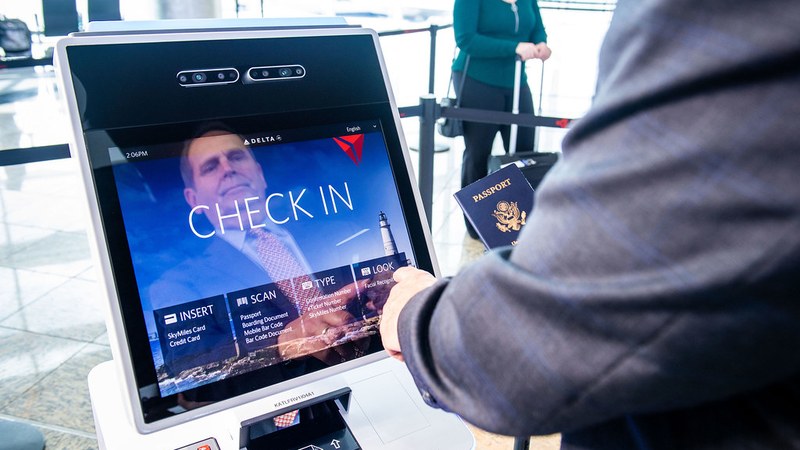
Overview of Flight Disruptions Across Key US Hubs
Recent weeks have seen widespread flight delays and cancellations affecting thousands of flights across major US airports including Hartsfield-Jackson Atlanta, Los Angeles International, Chicago O’Hare, and New York’s principal terminals. Disruptions have notably impacted operations at these key hubs for leading US carriers such as Delta Air Lines, American Airlines, and United Airlines.
Delta Air Lines has been identified as the airline leading in flight cancellations, with its extensive network through Atlanta suffering notable interruptions. Meanwhile, American Airlines and United Airlines have also experienced significant delays and cancellations, compounding operational challenges at several busiest US airports.
Effects on Travelers and Airport Operations
For US travelers, the
current wave of cancellations and delays translates into increased travel uncertainty and longer wait times at multiple points of the journey. Passengers face the possibility of rebooking complications and extended time on the ground, particularly at congested terminals where staff and resources are strained.
These operational irregularities also have repercussions for airport authorities and tourism-related businesses. Airports must manage fluctuating passenger volumes and coordinate with airlines to mitigate disruption impacts while tourism businesses dependent on reliable air connectivity report challenges in planning and customer service.
Potential Travel Cost Implications
Extended delays and cancellations risk generating higher travel costs for passengers, including additional accommodation or
ground transport expenses. While exact financial impacts remain unclear, travelers can anticipate that such disruptions may influence budget planning during peak travel periods.
Why the Disruption Pattern Is Important for US Travel
Underlying these widespread disruptions are operational challenges that affect airline scheduling, crew availability, and airport resource management. The concentration of issues at hub airports magnifies the cascading effects on regional and connecting flights, contributing to a complex scenario for US domestic air travel.
The affected hubs are critical connectors in the US air system, facilitating large volumes of business and leisure travel. Continuous disruptions at these nodes have broader implications for passenger confidence and airline brand reliability,
factors that could impact traveler choices moving forward.
How Airlines and Airports Are Managing the Situation
Delta, American, and United Airlines have all implemented strategic adjustments to flight schedules and customer service protocols to limit the scale of traveler inconvenience. Efforts include proactive communication with customers and coordination with airport authorities to streamline passenger flows and rescheduling processes.
Airports are enhancing operational support and deploying additional staff to handle peak congestion periods caused by the disruptions. These measures aim to stabilize the system while more permanent solutions are evaluated amid evolving travel demand and staffing challenges.