New U.S. Tourism Strategy Targets Global Visitors with ‘America the Beautiful’ Campaign
The United States recently announced a comprehensive new tourism strategy under the banner of the “America the Beautiful” campaign. Designed to attract increased international visitors, this global initiative seeks to highlight the country’s diverse and iconic destinations while enhancing travel experiences through innovative approaches.
This strategy represents a fresh effort by U.S. tourism authorities to reinvigorate international arrivals by weaving together real-time travel information and cultural engagement. Instead of traditional promotional methods, the campaign integrates modern traveler needs such as entry guidance and showcases America’s rich cultural tapestry.
Emphasizing Real-Time Entry Guidance and Traveler Convenience
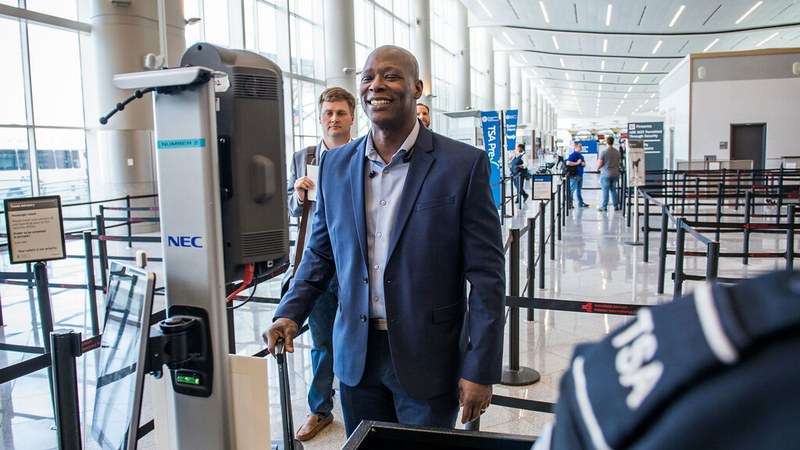
One pivotal aspect of the new tourism framework is the incorporation of
real-time guidance for international visitors as they navigate U.S. entry processes. By leveraging advanced technologies and updated information channels, the strategy aims to simplify border crossing and provide up-to-date travel instructions. This focus on seamless traveler entry is hoped to reduce uncertainty and enhance the overall visitor experience.
Such improvements could have a ripple effect on the broader tourism ecosystem, influencing airport and border operations and potentially prompting infrastructure enhancements. For American travelers, an increase in inbound tourism might translate into better services and expanded travel options domestically.
Cultural Storytelling at the Heart of the Travel Experience
The “America the Beautiful” strategy places significant emphasis on cultural storytelling as
a core component of travel promotion. By showcasing the country’s diverse heritage, arts, and local stories, the initiative aims to offer visitors richer and more authentic experiences beyond sightseeing.
Integrating cultural narratives into tourism messaging encourages deeper engagement and encourages visitors to explore lesser-known destinations and regional events. This approach aligns with broader travel trends favoring meaningful connections and unique local interactions, potentially influencing future tourism demand patterns in the United States.
Implications for Travelers and the Tourism Industry
For global travelers, this updated strategy promises clearer, more accessible information ahead of and during their journeys to the United States. Enhanced real-time entry guidance can alleviate common
uncertainties about travel requirements, enabling smoother arrivals.
Meanwhile, U.S. domestic travelers might notice improvements in travel infrastructure and services as the country adapts to accommodate and benefit from increased international tourism. Tourism stakeholders are likely to explore opportunities for integrating cultural storytelling into their offerings, enriching visitor experiences and further differentiating U.S. destinations on the global stage.
While implementation details and timeline specifics beyond 2026 remain to be clarified, the announced campaign signals a renewed focus on leveraging both technology and cultural assets to strengthen the United States’ position in the international tourism market.