United Airlines Expands Asia-Pacific Connectivity From San Francisco
United Airlines is reportedly operating 19 Asia-Pacific routes out of its strategic San Francisco hub (SFO), a significant development for travelers crossing the Pacific. This expansion reinforces SFO’s position as a major gateway for U.S. passengers heading to Asia and the broader Pacific region.
Growing Route Network from a Key West Coast Hub
San Francisco International Airport has long been a focal point for transpacific flights, serving both business and leisure markets. The reported 19 Asia-Pacific routes operated by United highlight the airline’s priority in capitalizing on sustained demand for travel to key destinations across Asia and the Pacific Islands.
This growth comes as the airline industry continues to
recover from pandemic-related disruptions, with international demand gradually regaining momentum. While confirmed details about each individual route’s daily frequencies and seasonal scheduling have not been publicly released, sources indicate the network covers major Asian cities and emerging Pacific destinations.
What This Means for Transpacific Travelers
Expanded Destination Choice: Travelers from the U.S. West Coast can expect more direct flight options to top Asia-Pacific cities without needing connections through other hubs. Potential Scheduling Improvements: Additional routes may offer more flexible departure times, helping both business and leisure travelers optimize their itineraries for regional connections or short layovers. Competitive Pressure and Fare Trends: With United increasing capacity from
SFO, competitive dynamics with other carriers serving similar markets could influence pricing and availability, particularly during peak travel periods.
Market and Operational Context
United Airlines’ decision to expand Asia routes at SFO follows observable trends where U.S. carriers are restoring long-haul international networks, especially on the West Coast. San Francisco’s geographic location makes it a natural launching point for transpacific flights, benefiting from shorter distances and time zone alignment with many Asia-Pacific countries.
The airline is likely responding to early signs of improving passenger demand for Asia, supported by easing travel restrictions and increased outbound tourism from the U.S. and returning business travel activities.
However, the scale and frequency of these new or resumed routes will need continued adjustment according to seasonal demand and operational factors.
Considerations for Travelers and Industry Watchers
Exact passenger load factors, fare levels, and schedule reliability data for these routes have yet to be disclosed. Travelers interested in Asia-Pacific options from SFO should monitor United Airlines’ official disclosures and booking tools as flight availability updates to reflect this expanded network.
Industry analysts will likely track:
Route announcements and frequency changes in the coming months Booking trends indicating rising demand Competitive responses from carriers like Japan Airlines, ANA, Korean Air, and others operating transpacific flights from
SFO
United’s strategic expansion at SFO signals confidence in the outlook for transpacific travel but remains subject to broader travel demand recovery and international regulatory factors.
San Francisco Airport Flights to Asia-Pacific: What Comes Next?
As the airline enhances its San Francisco hub with more Asia-Pacific routes, travelers benefit from increased choice and potential connectivity improvements. However, the pace of expansion and how route offerings evolve this year will depend largely on ongoing market conditions, regulatory environments, and airline operational capabilities.
Travelers planning trips to Asia or the Pacific islands should keep an eye on United Airlines’ schedules and promotions, particularly for the summer and fall travel windows when
transpacific demand typically peaks.
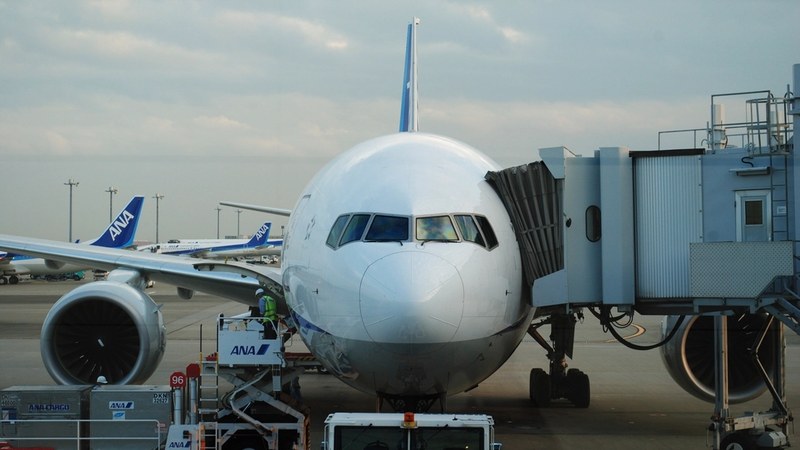
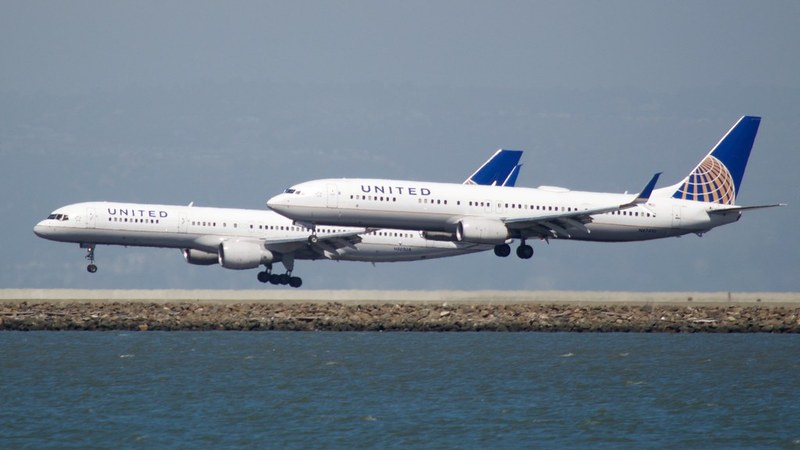
Image: 2 Boeing 777 -300 ERs, Singapore Airlines and Cathay Pacific, and 3 Boeing 737, 757 narrow bodies. All United. DSC_0001 by wbaiv via flickr, by-sa