On August 3, 2026, United Airlines canceled over 2,000 flights nationwide due to a severe technology outage that forced ground stops across the United States. The disruption affected multiple major hubs and caused widespread operational delays.
Technology Outage Causes Ground Stops and Flight Cancellations
The ground stops implemented on August 3 followed a complete failure of United Airlines’ technology systems. This outage resulted in extensive delays as the airline sought to restore normal operations. While the exact technical cause has not been disclosed, the impact was felt across United’s network, leading to the cancellation of thousands of flights and significant passenger disruptions.
Multiple U.S. Hubs Experience Operational Disruptions
Airports heavily affected during the outage
included LaGuardia and John F. Kennedy International in New York, Orlando International Airport, Fort Lauderdale, Tampa, Hartsfield-Jackson Atlanta, and Reagan National in Washington, D.C. These hubs faced congestion due to grounding of flights, disrupting passenger flow and requiring airlines to deploy reserve crews and optimize aircraft scheduling to manage the backlog.
Prior Day’s Flight Disruptions Linked to Weather and WestJet Strike
On August 2, 2026, the U.S. air travel network saw 5,418 flight delays and 576 cancellations caused by severe thunderstorms and a WestJet cabin crew strike. The strike alone led to 495 cancellations, primarily impacting transborder routes between Canada and the United States. Orlando recorded 446 delays, while Florida’s
Fort Lauderdale and Tampa airports had 250 and 224 delays respectively. New York’s LaGuardia and JFK airports had 122 and 101 flight cancellations. Reagan National experienced 88 cancellations, caused by weather-induced capacity restrictions.
FAA Ground Delay Programs Implemented to Manage Congestion
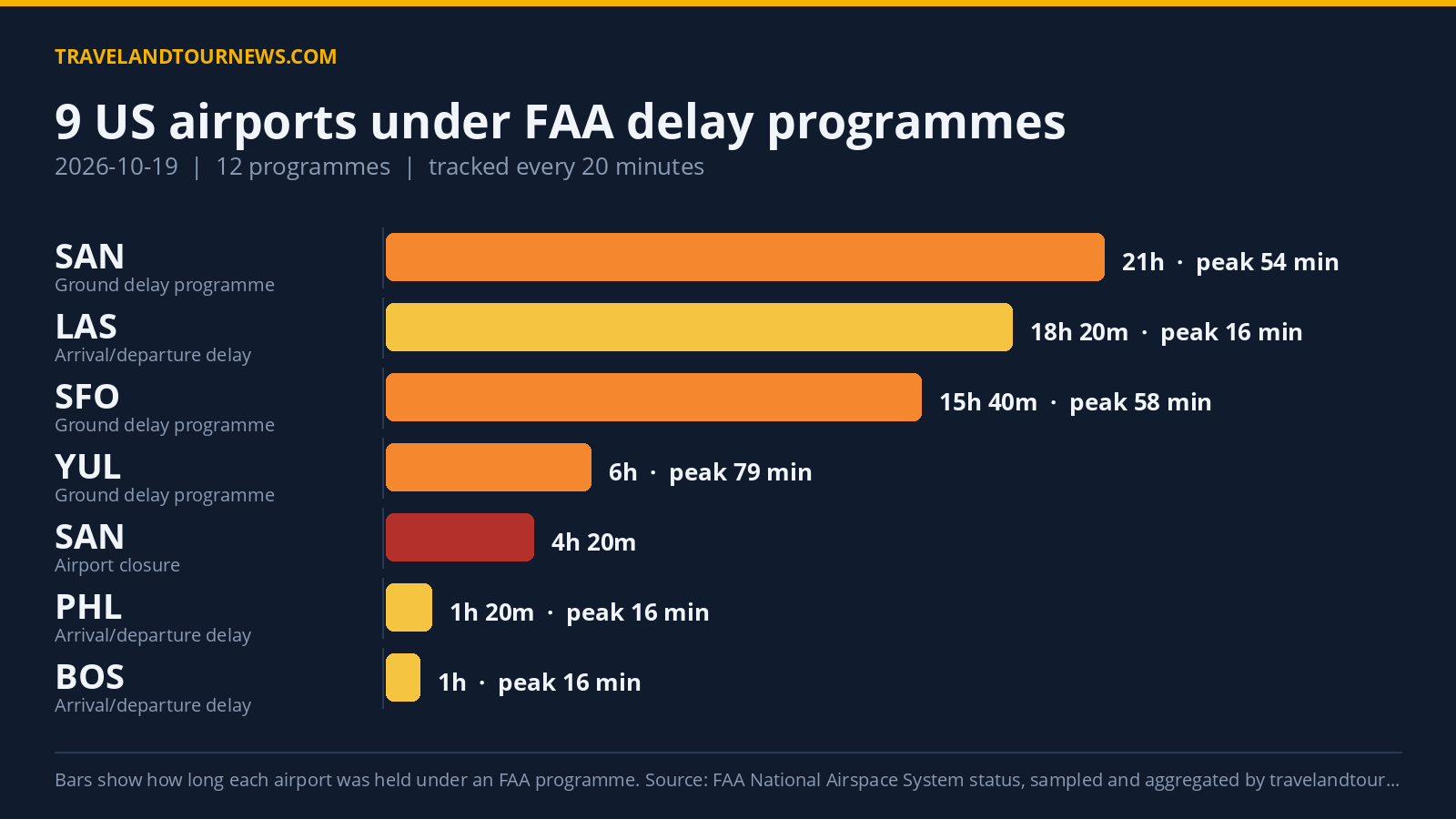
The Federal Aviation Administration applied Ground Delay Programs during the weather disruptions on August 2 to limit arrival and departure rates at congested hubs. These measures aimed to reduce airport overload amid thunderstorms. Airlines faced challenges managing summer schedules with limited spare capacity, causing delays to cascade throughout the network when key hubs dropped below normal capacity.
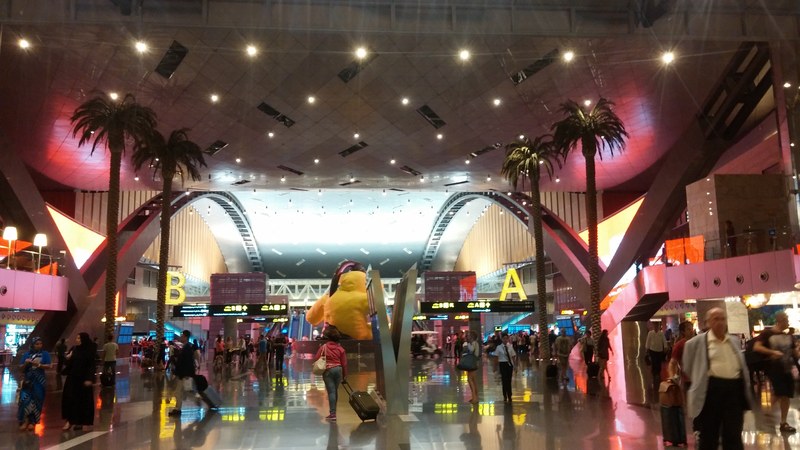
Passengers impacted by these disruptions faced longer waits in terminals
and baggage claim areas, with airport operators increasing staffing at gate lines to handle high volumes. Airlines also had to maintain higher levels of reserve flight crews to support recovery operations and maintain aircraft rotations during the ongoing congestion.