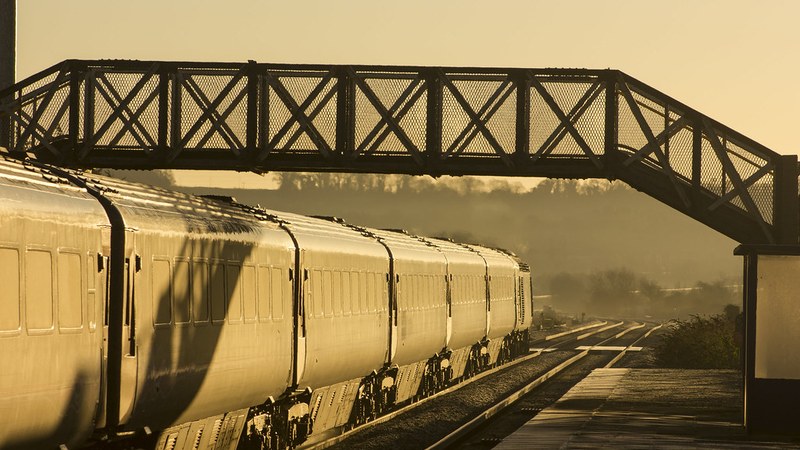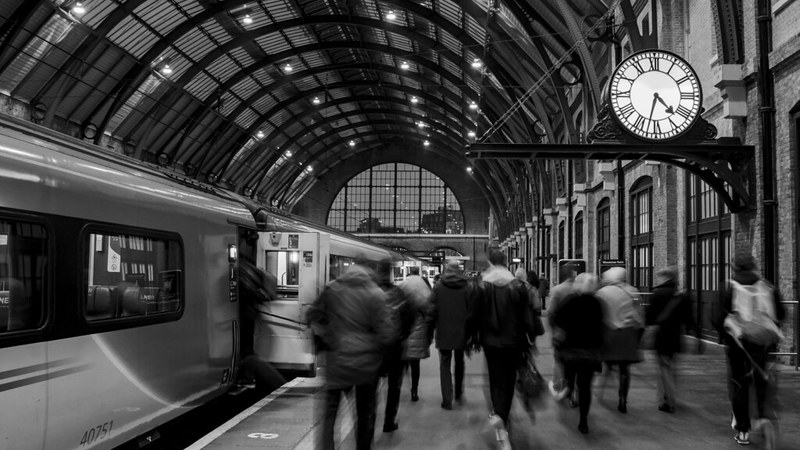
From Sunday, 20 September 2026, rail passengers in the UK holding a valid ticket for a cancelled train can use that ticket to travel on another train operated by a participating company without buying a new ticket. The arrangement permits use of alternative services departing within two hours before or two hours after the original train’s scheduled departure.
Participating Operators Include Major Intercity and Regional Companies
The new policy covers trains operated by Avanti West Coast, Chiltern Railways, CrossCountry, and Great Western Railway starting 20 September 2026, joining previously participating publicly owned operators like c2c, Gatwick Express, Greater Anglia, Great Northern, LNER, London Northwestern Railway, Northern, Southeastern, Southern,
Thameslink, South Western Railway, TransPennine Express, and West Midlands Railway. East Midlands Railway is expected to join the scheme later.
Conditions for Using Tickets on Alternative Services
Passengers may board alternative trains only if those services run a direct or reasonable alternative route to their original destination. They must present their original ticket to customer support staff and do not need to download or obtain replacement tickets. The policy applies exclusively after a train cancellation and is limited to services departing within a two-hour window before or after the cancelled train’s departure time.
Background: Addressing Fragmented Ticketing and Disrupted Travel
Before this rule change, passengers faced difficulties when their trains were cancelled, often unable
to use tickets on other operators’ services. Occasionally, operators agreed to accept other companies’ tickets during major disruptions, but this was not guaranteed, causing delays or forcing passengers to buy new tickets. The UK government’s reform aims to reduce these problems caused by fragmented ticketing and complex rail operations.
Official Statements on the New Passenger Right
Rail Minister Lord Hendy described the change as “a simple, common-sense change that puts passengers first,” emphasizing that it prevents passengers from being stranded due to a fragmented railway. Alex Robertson, Chief Executive of the independent watchdog Transport Focus, welcomed the reform, stating, “When passengers are delayed, they just want to
get where they need to be, not worry about whether their ticket will be accepted on another train.” Robertson highlighted the importance of clear information for passengers during disruptions.
Passenger Benefits and Recommendations
The rule enables passengers with cancelled trains to continue journeys on other participating operator services without paying again, saving time and money. Travelers are advised to check departure times and consult station staff before boarding alternative trains because the scheme only covers services with appropriate routes within the specified time window.
Compensation and Refunds Remain Under Existing Policies
This policy does not alter existing compensation or refund rights. National Rail confirms passengers may be entitled to compensation or
a full refund depending on delays or cancellations and urges travelers to keep their original tickets and verify operator rules for claims.
Government Investment in Future Ticketing Systems
The UK government announced a £156 million investment in modernizing ticketing systems. This includes expanding pay-as-you-go travel to over 100 more stations by 2027 in regions like Greater Manchester, the Midlands, and the south-east. A planned digital ticketing system will use a mobile app and GPS to calculate fares without requiring advance ticket purchase or physical taps. Additionally, a Great British Railways website and app under development will unify ticket sales, timetables, and passenger support.