More than 1,000 flights were cancelled across the United Kingdom on September 8, 2026, following a technical failure in the National Air Traffic Services (NATS) flight processing system. The disruption started around 1pm and affected departures at major UK airports including London Heathrow, London Gatwick, Manchester, and Stansted.
The fault was resolved by NATS at approximately 4:40pm on September 8, but operational recovery extended into the evening and the following day due to a build-up of delayed aircraft and crew scheduling conflicts. Heathrow Airport resumed some departures late on the 8th but suspended arrivals for the remainder of the night.
Operational Impact on Airlines and Passengers
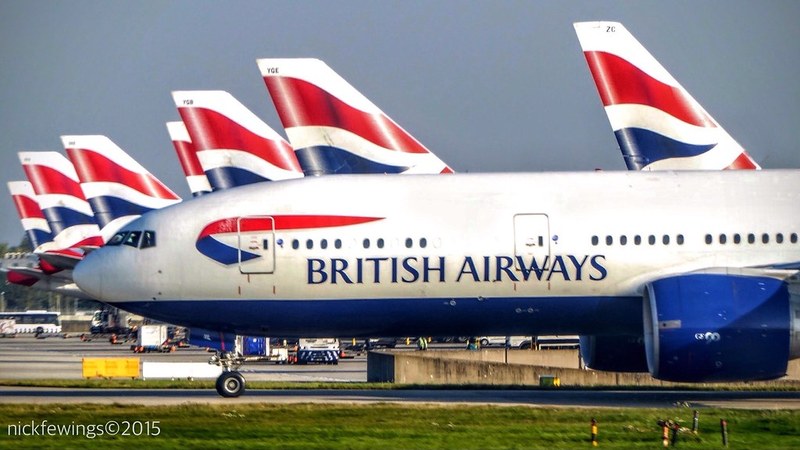
British Airways canceled or diverted over 100 flights during September 8, with 81 cancellations specifically at Heathrow. Ryanair reported over 65,000 passengers delayed and 50 flights cancelled. Flight cancellations and delays persisted into September 9, with at least 177 flights cancelled, nearly all at Heathrow.
Thousands of passengers faced extended wait times or were stranded on aircraft for hours. Airlines offered free rebooking options through the following Friday to affected customers.
Geographic Scope and Affected Routes
The failure impacted air traffic control across more than 15 UK airports, including Birmingham, Edinburgh, Belfast, Leeds Bradford, and Luton, in addition to the principal hubs. The disruption extended
beyond UK airspace, delaying inbound flights into southern England and causing some flights to be held at airports abroad.
Affected European routes included cancellations of Vueling flights VY7112 and VY7113 between Santiago de Compostela in Spain and London Heathrow.
Official Responses and Political Oversight
NATS CEO Martin Rolfe expressed “huge sympathies” for passengers affected by the disruption and accepted full responsibility. Rolfe briefed UK Transport Secretary Heidi Alexander before she addressed Parliament on the civil aviation bill. The company described the recovery as “very complex,” noting the difficulty of clearing the backlog.
Alexander acknowledged the ongoing technical issues at Heathrow and Gatwick and apologised for
passenger frustration while seeking assurances for improved system reliability. The Civil Aviation Authority announced it is considering reforms to enhance air traffic control system stability.
Airlines’ Criticism and Calls for Leadership Changes
Ryanair Chief Operating Officer Neal McMahon demanded Martin Rolfe’s resignation, citing NATS’s failure as “abhorrent” and harmful to holidaymakers and business travellers. Wizz Air criticized NATS as “not fit for purpose in its current form.”
British Airways described the disruption as beyond its control, citing substantial cancellations and diversions resulting from aircraft and crew displacement.
Ongoing Recovery Efforts
NATS continues to work closely with airlines and airports to clear the backlog. Despite restoring system operations by 4:40pm on
September 8, the impact of the technical fault has prolonged delays into September 9. Passengers are advised to verify their booking status directly with airlines as recovery progresses.