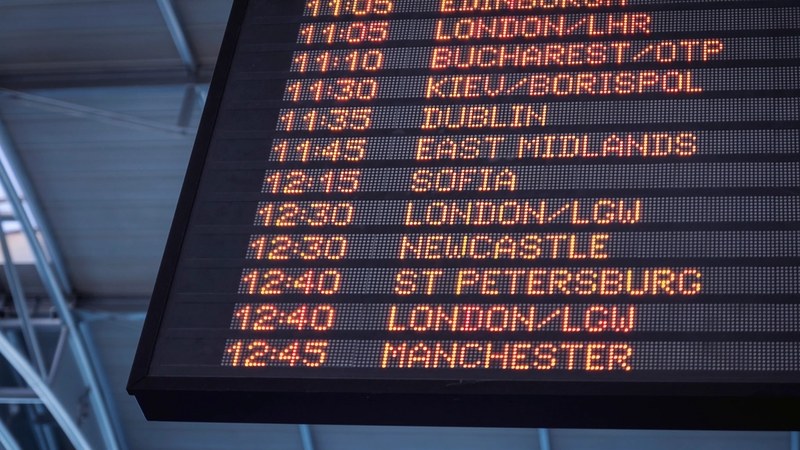
More than 1,000 flights were cancelled or delayed across key UK airports on September 10, 2026, following a technical fault in NATS’ flight processing system. The disruption impacted major hubs including Heathrow, Gatwick, Manchester, Stansted, Edinburgh, London Luton, Birmingham, Aberdeen, and Glasgow. Airlines reported knock-on effects extending to Dublin Airport in Ireland.
Heathrow experienced about 100 flight cancellations and 367 delays, while Gatwick recorded roughly 250 delayed flights, representing about 31% of its scheduled departures. Ryanair reported more than 65,000 passengers delayed and 50 cancelled flights. British Airways cancelled or diverted over 100 flights and warned operational impacts would persist
into the following day.
The issue began around 1 p.m. BST and NATS deployed engineers on site urgently to resolve it. Normal operations resumed around 4:40 p.m., but Heathrow suspended all arriving flights for the remainder of the evening. Despite airspace remaining open and flights continuing to depart, recovery was expected to take additional time.
In a statement, NATS said: “We have identified that the issue was in our flight processing system. Our engineers are on site and working urgently to resume normal operations as quickly as possible.” British Airways described the situation as “entirely out of our control” and
said it was assisting customers affected by the delays. Transport Secretary Heidi Alexander apologized for the disruption and confirmed the problem had been resolved. Wizz Air criticized NATS, calling it “simply not fit for purpose in its current form.” NATS Chief Executive Martin Rolfe publicly apologized and accepted full responsibility.
Background of UK Air Traffic Control Disruptions
This incident marks the third major failure of the UK’s air traffic control system in just over three years, following outages in August 2023 and July 2025. After a 2023 malfunction, the UK aviation regulator mandated in 2024 that NATS review its contingency plans. That earlier disruption led to losses
exceeding £100 million in refunds and compensation due to widespread delays and cancellations.
Impact on Passengers and Flight Operations
The disruption stranded hundreds of thousands of passengers across the UK and Europe, causing extensive cancellations and delays. EasyJet also reported delays throughout Europe connected to the air traffic control problems. Flights continued departing from affected airports, but operations were heavily regulated and slowed to manage the backlog. The incident created significant knock-on effects across the UK aviation network and inbound European routes.