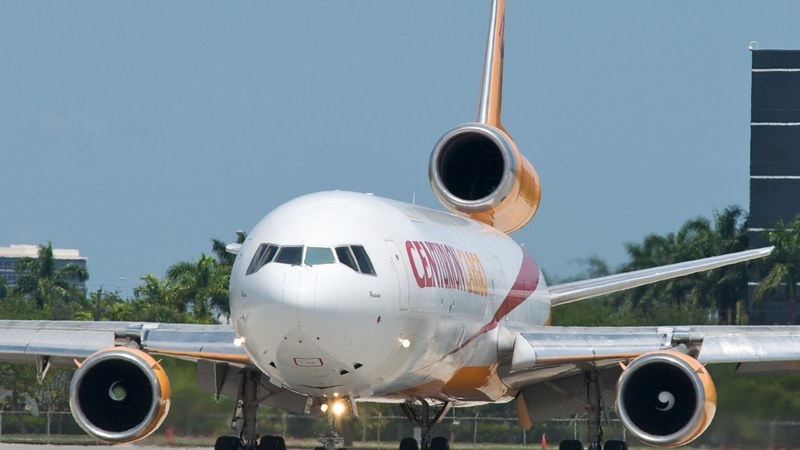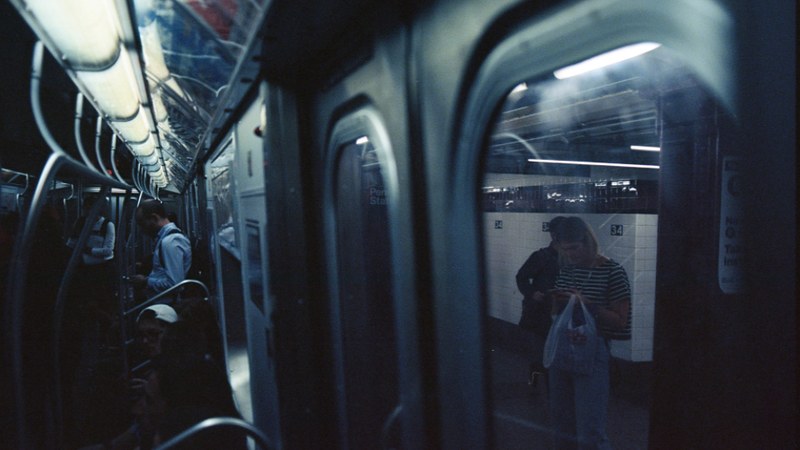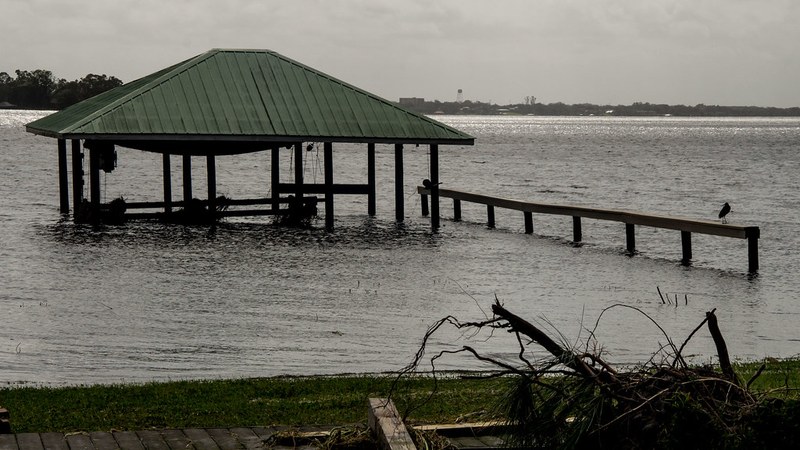
On Thanksgiving Day, November 26, 2026, a significant storm disrupted the US East Coast causing over 2,200 flight delays and more than 400 cancellations, according to FlightAware. Nearly 900,000 homes and businesses lost power by Thursday evening in states including New York and New Jersey. Macy’s Thanksgiving Day parade in New York City was postponed to Saturday for the first time due to wind concerns threatening the safety of parade balloons.
Flooding and Transport Disruptions in East Coast Communities
Flooding affected areas from North Carolina’s Outer Banks to New Jersey, leading to road closures and emergency rescues. Avalon, New Jersey experienced some of its worst flooding in its
history, described by Borough Business Administrator Scott J. Wahl as “Not quite Hurricane Sandy”. Streets in Margate City were flooded with tide coming in ferociously before heavy rain, as documented by the Margate City Fire Department. Closing of key thoroughfares included the Chesapeake Bay Bridge-Tunnel in Southern Virginia, nearly 29 kilometers long, and North Carolina’s NC 12 highway due to high winds and seawater breaches. Baltimore police closed streets after flooding in waterfront neighborhoods. Nearly 2 million water customers in Montgomery and Prince George’s counties, Maryland, were asked to conserve water due to intermittent power disruptions.
Train Service Alterations and Rescue Efforts
Amtrak suspended or altered
service on Thursday morning along Southern California’s Pacific Surfliner route due to track damage and washouts from the storm, affecting travel between San Clemente, Irvine, Oceanside, San Diego, and Los Angeles International Airport. New York City emergency management officials reported strong winds toppled trees and caused scaffolding collapses with no injuries. Rescues were performed to assist people trapped in flooded vehicles in New York City and other coastal communities.
Storm Causes and Official Responses
The disruption was driven by a combination of heavy rains, strong winds, and flooding exacerbated by high tides and storm surge. New Jersey and parts of New York were placed under
states of emergency. Wind advisories extended from northern Georgia through much of the mid-Atlantic to southern New England. These conditions led to widespread transportation delays, power outages, and requested water conservation in affected regions.