Severe Weather Disrupts Travel Operations at Dallas-Fort Worth Airport
Severe thunderstorms sweeping across parts of Texas have caused significant travel disruptions at Dallas-Fort Worth International Airport (DFW). The Federal Aviation Administration (FAA) implemented ground stops at the airport as a safety precaution due to the intense weather conditions. These restrictions have impacted arrivals and departures, with major U.S. and international carriers among those affected.
FAA Ground Stops Enforce Safety Amid Severe Thunderstorms
The FAA ground stop mechanism is designed to temporarily halt aircraft movements on the ground to ensure operational safety when weather conditions deteriorate. At DFW, this system was activated in response to severe thunderstorms in the region, leading to a suspension of clearance for flights
to take off or land for a period of time. The goal is to minimize risks associated with lightning, high winds, and heavy rainfall experienced at the airport.
Impact on Major Airlines and International Traffic
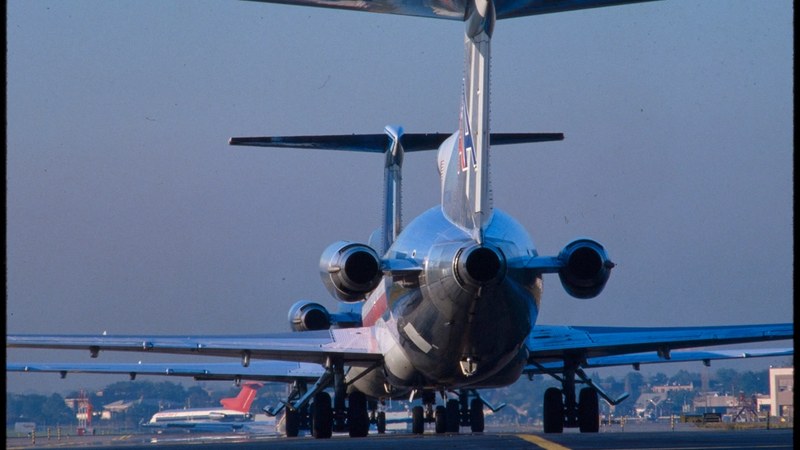
Several major airlines reported cancellations and delays in connection with the ground stops and adverse weather. American Airlines, which operates a major hub at DFW, alongside other carriers such as Southwest, Delta, and United, experienced disruptions affecting both domestic and international services. Passengers faced rescheduling challenges, with some flights rerouted or temporarily delayed pending improvements in weather conditions.
American Airlines Flight Cancellations
American Airlines, a key carrier based at Dallas-Fort Worth, saw extensive flight cancellations stemming
from the severe weather event. The airline worked to accommodate affected travelers and adjust schedules as necessary. This disruption further amplified ripple effects on connecting flights and downstream operations across the network.
Southwest, Delta, and United Also Affected
Alongside American Airlines, other major carriers such as Southwest, Delta, and United encountered significant operational impacts, with delays and cancellations disrupting planned itineraries. International travelers using DFW as a connecting gateway were equally affected, facing uncertainty amid evolving weather and air traffic conditions.
Traveler Experience and Recommendations
Travelers at Dallas-Fort Worth and those planning flights through the airport are advised to stay updated via airline and airport communications. Given the extent of
cancellations and extended delays, checking flight status frequently and preparing for potential rebooking scenarios remains crucial. Travelers should also anticipate possible changes to travel plans, including route diversions and revised departure or arrival times.
Context on Dallas-Fort Worth Airport as a Critical Hub
Dallas-Fort Worth International Airport serves as a vital connecting point for millions of passengers annually, functioning as a major hub for American Airlines and a significant gateway for both domestic and international routes. When severe weather events occur, the resulting disruptions can have a far-reaching impact across the broader U.S. travel network due to the airport’s strategic importance.
Texas’s climate can be prone to sudden thunderstorms,
particularly during transitional seasons, which necessitates robust contingency measures from both airlines and the FAA to maintain safety standards.
Monitoring and Future Outlook
Authorities continue to monitor weather conditions closely in coordination with meteorological agencies and air traffic controllers. The resumption of normal operations is subject to weather improvements and clearance from the FAA’s safety assessments. Travelers are encouraged to remain patient and prepared for ongoing adjustments as the situation evolves.
While these weather-induced FAA ground stops are temporary, they underscore the challenges posed by severe thunderstorms in the region and the importance of adaptive procedures to protect passenger safety and operational integrity.