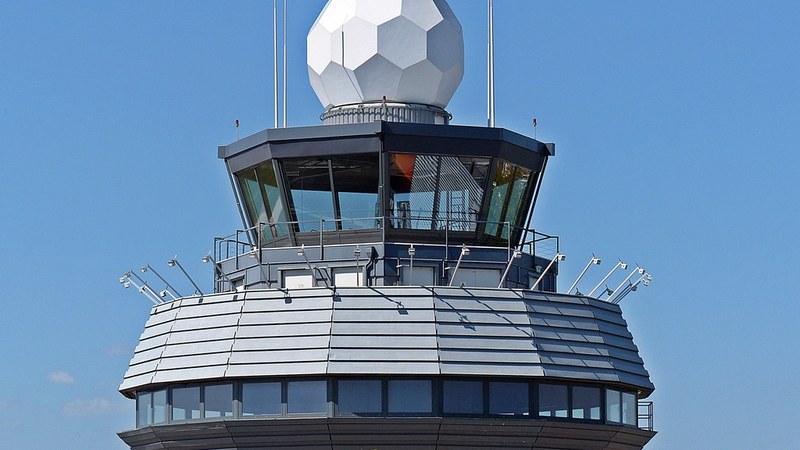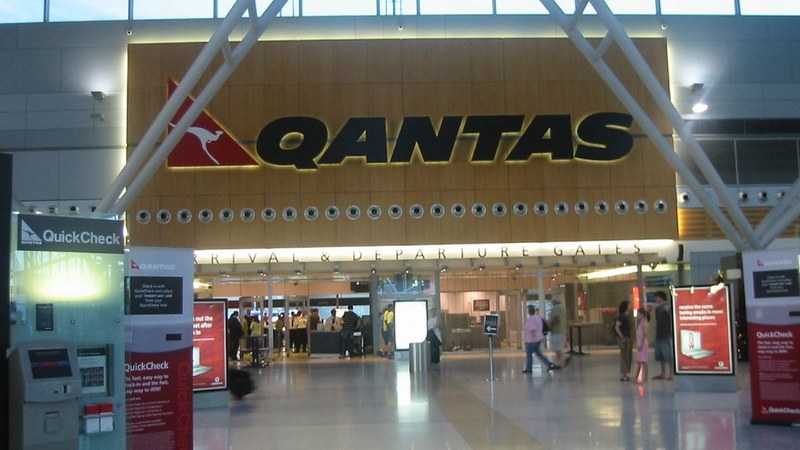
Flight cancellations and delays affected Sydney Airport on the morning of September 11, 2026, caused by a shortage of air traffic controllers. Airservices Australia implemented Air Traffic Flow Management (ATFM) measures to manage roster constraints.
Qantas reported delays reaching up to 80 minutes and canceled six flights before the ground delay program ended. Virgin Australia had six Sydney-bound flights canceled and delays up to 50 minutes. Additionally, two Melbourne flights were canceled after a separate ground delay.
An Airservices Australia spokesperson stated, “Minimal airborne delays are expected through the morning, and departure delays for domestic and international flights out of
Sydney are mostly under 10 minutes, due to demand.” The agency acknowledged ATFM measures disrupted airline scheduling and said it is working with carriers to lessen delays and passenger impacts.
Restrictions Lifted Amid Ongoing Issues and Safety Scrutiny
Restrictions at Sydney Airport were lifted at 8:15 a.m. after air traffic conditions improved. Measures remained active in Melbourne due to weather, affecting the wider network. The disruptions occurred amid an investigation by the Australian Transport Safety Bureau into six near-miss incidents at Sydney Airport in roughly one month, including an event where a Jetstar flight attendant sustained a wrist injury from sudden braking. The recent near-misses have increased scrutiny
on air traffic controller staffing and fatigue risks.
The disruptions coincide with Airservices Australia CEO Rob Sharp and senior executives appearing before a Senate committee examining the reliability and affordability of Australia’s aviation sector, particularly for regional communities.
Airservices Australia Takes Steps to Address Staffing and Safety Concerns
Airservices Australia is actively recruiting more air traffic controllers and aiming to enhance staff availability. The staffing situation was described as “bit insane” by a shift manager. These efforts seek to reduce future disruption and improve operational safety in response to recent safety concerns and near-miss investigations.