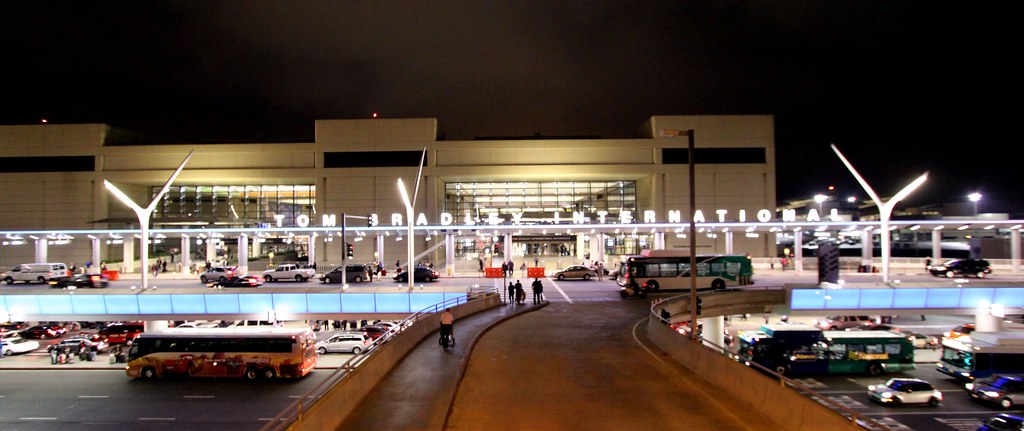
Major U.S. Airports Face Escalating Summer Disruptions
As summer 2026 unfolds, air travel across key United States airports continues to experience pronounced disruption. Notably, Los Angeles International Airport (LAX), Newark Liberty International Airport, and Austin-Bergstrom International Airport are grappling with an uptick in flight delays, cancellations, and bottlenecks at security checkpoints. These operational challenges, evident during peak travel periods, are affecting both domestic and international travelers who rely on these hubs.
The convergence of increased passenger volumes and ongoing logistical pressures, including Transportation Security Administration (TSA) processing backlogs, are contributing to widespread travel complications. Travelers should anticipate longer processing times and remain vigilant in their pre-travel planning
to accommodate unexpected delays.
Security and Operational Challenges Intensify at LAX and Newark Liberty
LAX has long been a critical gateway on the West Coast, handling millions of passengers annually. The airport is currently experiencing growing delays on arrival and departure schedules, largely aggravated by extended wait times at TSA checkpoints. Similarly, Newark Liberty has reported substantial backlogs at security screening areas, hampering throughput efficiency during this high-demand season.
These congestion issues are partly attributed to the combination of intensified summer travel demand alongside persistent workforce scheduling and technology limitations at screening facilities. Airlines operating within these airports are encountering cascading effects resulting in flight disruptions that ripple through the
broader air travel network.
Implications for American Travelers and Tourism Sector
The ramifications of the summer 2026 airport disruptions are particularly pronounced for American travelers navigating both leisure and business itineraries. With delays and cancellations becoming more frequent, passengers face additional uncertainty and potential financial implications as they adjust plans. Longer wait times at TSA checkpoints and crowded terminals also impact traveler comfort and convenience.
Airport officials and airlines are encouraging passengers to arrive well in advance of scheduled flights and to monitor updates closely. Planning for contingency options remains essential as unpredictable operational slowdowns may continue into the late summer months. While the full extent and
duration of these disruptions remain fluid, the current environment calls for heightened traveler awareness and proactive preparation.
Looking Ahead: Navigating the Summer 2026 Travel Landscape
Despite ongoing efforts to enhance airport capacity and security processing, summer 2026 is shaping up to be a challenging period for the U.S. air travel system. Stakeholders across the transport ecosystem are monitoring the situation closely, seeking to balance demand pressures with operational constraints. For American travelers, maintaining flexibility and staying informed about airport conditions is advisable.
Continued updates and guidance from airport authorities and TSA will be critical to mitigating impact as the peak travel season progresses. The evolving situation at LAX,
Newark Liberty, and other affected hubs underscores the complexities facing the aviation sector amid resurgent travel demand.