Growing Airport Delays and Security Bottlenecks
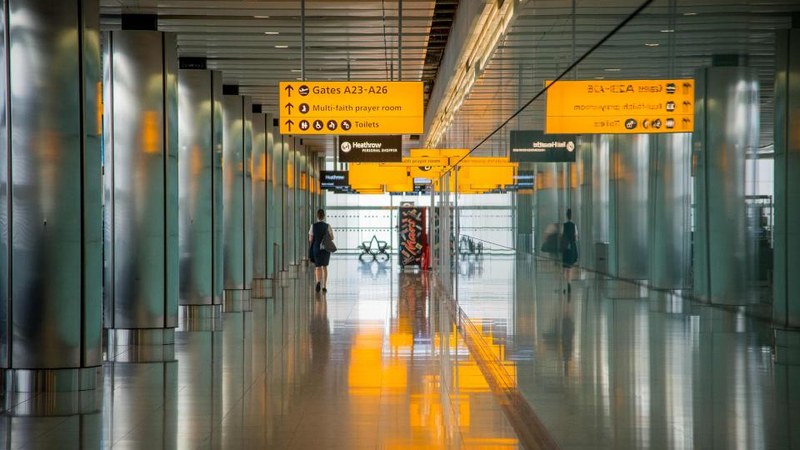
The summer travel season of 2026 presents notable challenges across major U.S. airports as flight delays and cancellations see a rising trend. Notably, airports such as Los Angeles International (LAX), Newark Liberty, and Austin-Bergstrom are experiencing increased operational disruptions. Central to these issues are extended TSA security backlogs that impact passenger processing times and overall airport throughput.
The accumulation of these factors heightens uncertainty for travelers, particularly during peak demand periods. Multiple sources have reported that lines at security checkpoints have grown longer, creating more pressure on airport infrastructures and airline schedules.
Specific Impacts at LAX, Newark Liberty, and Austin-Bergstrom
LAX has been prominently affected by these summer
travel disruptions, with delays reflecting both security bottlenecks and air traffic volume management challenges. Newark Liberty airport similarly faces operational strain, compounding difficulties for both domestic and international passengers using this major hub.
Austin-Bergstrom International Airport, while smaller in scale, is encountering comparable issues given the increased summer travel demand. Each airport’s unique layout and staffing situations contribute to how these delays manifest and affect passenger flow.
Traveler Considerations Amid Persistent Delays
For the traveling public, these disruptions mean planning ahead with additional time buffers remains essential. Passengers should anticipate longer queues at TSA checkpoints and be vigilant regarding potential last-minute flight cancellations or schedule
adjustments.
Adapting travel itineraries to allow for flexibility, such as earlier arrivals at airports and booking flights with ample connection times, can help mitigate some of the stress caused by ongoing disruptions. Technology tools providing real-time updates about airport conditions and flight statuses are also recommended to stay informed.
Analysis: Operational Challenges Extend Beyond Peak Travel Days
The persistence and expansion of security backlogs suggest underlying systemic issues affecting crew availability, federal staffing, and airport operational capacities. These challenges are amplified during high passenger volume periods, but their effects ripple into shoulder seasons and affect traveler confidence.
Overall, the capacity constraints at TSA checkpoints and the cascading effect
on gate departures indicate that solutions will require coordinated efforts between federal agencies, airports, and airlines. Meanwhile, individual travelers must prepare for a more cumbersome airport experience during this summer period and possibly beyond.
Key Recommendations for U.S. and International Passengers
Arrive early: Allocate extra time for security screening to accommodate longer lines. Monitor flight status: Use airline apps and airport websites to track real-time information. Be flexible: Expect the possibility of delays and keep travel plans adaptable. Consider alternate airports or travel days when possible to avoid peak congestion. Prepare documentation in advance and streamline TSA procedures by following guidelines.