Rising Flight Delays and Cancellations at Key U.S. Airports Impact Millions
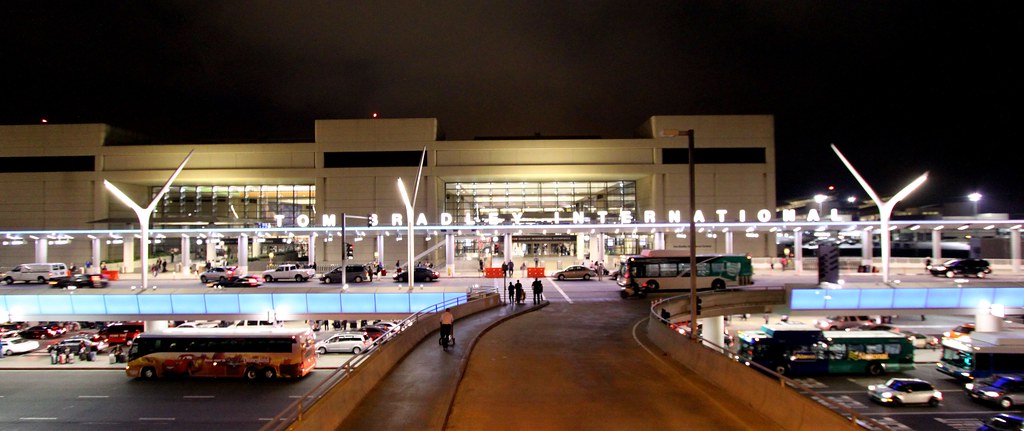
As the peak travel season of summer 2026 approaches, key U.S. airports including Los Angeles International (LAX), Newark Liberty, and Austin-Bergstrom are experiencing a noticeable surge in flight delays and cancellations. This growing trend continues to disrupt both domestic and international air travelers, necessitating increased flexibility and advance planning.
Pressure on TSA Security Checkpoints Leading to Backlogs
One of the significant bottlenecks contributing to delays across these airports is the extended wait times at Transportation Security Administration (TSA) checkpoints. LAX, in particular, has reported TSA wait lines that frequently surpass 45 minutes during peak hours. Such backlogs have become a primary source of traveler frustration and contribute to
missed flights and itinerary disruptions.
Airlines and Routes Most Affected
Prominent carriers operating out of these hubs include United, Delta, Southwest, and JetBlue. Their flight operations have felt the impact of the broader logistical challenges, with notable ripple effects on schedules. Affected routes span critical domestic corridors as well as important connections serving international visitors from Mexico, the United Kingdom, China, and other key markets.
Contextual Factors Behind the Increasing Disruptions
The U.S. aviation infrastructure is currently navigating complex dynamics as travel demand continues to rebound robustly following the global health crisis. Airports are managing higher passenger volumes alongside ongoing staffing shortages in security and operational roles. This combination has led
to systemic stress, particularly in facilities like LAX, Newark Liberty, and Austin-Bergstrom that handle significant regional and international traffic.
The Travelers’ Perspective: Impact and Precaution
Both domestic and international travelers visiting or departing from these airports should anticipate elongated processes at security and boarding. Early arrival at airports is advisable, along with flexibility in scheduling to accommodate potential delays or cancellations. Planning for longer wait times by allocating ample buffer between connections could mitigate some inconveniences during this busy summer window.
Special Considerations for International Arrivals
International passengers arriving from countries such as Mexico, the UK, and China may find additional challenges due to increased screening and customs procedures, layered on
top of TSA delays within U.S. airport terminals. Travelers are encouraged to stay informed of airline communications and airport advisories to adjust travel plans accordingly.
Operational Responses and Industry Outlook
While precise figures on staff allocation or flight cancellations remain undisclosed, airports and airlines are reportedly undertaking measures to address congestion. These include optimizing queue management at security and enhancing passenger communication about delays. Despite these efforts, travelers should remain prepared for ongoing disruptions through at least the summer period.
Looking Ahead: What to Watch for Travelers and Stakeholders
The summer 2026 travel season is shaping up to be a challenging period at some of the nation’s busiest airports. The situation remains fluid, and
travelers are urged to monitor live airport updates and airline notifications closely. Industry stakeholders continue to weigh strategies for medium- and long-term improvements to enhance the passenger experience and operational resilience.