Widespread Flight Interruptions at Key US Air Hubs This Summer
As the summer travel season progresses, major US airports including Atlanta (ATL), Los Angeles (LAX), Chicago O’Hare (ORD), and Seattle (SEA) continue to experience extensive flight delays and cancellations. The congestion and operational challenges this year have intensified, particularly impacting perennial hubs for top carriers. Travelers across the United States are facing disruptions rippling through domestic and international routes.
Carrier-Specific Challenges: Delta, American, and United Airlines
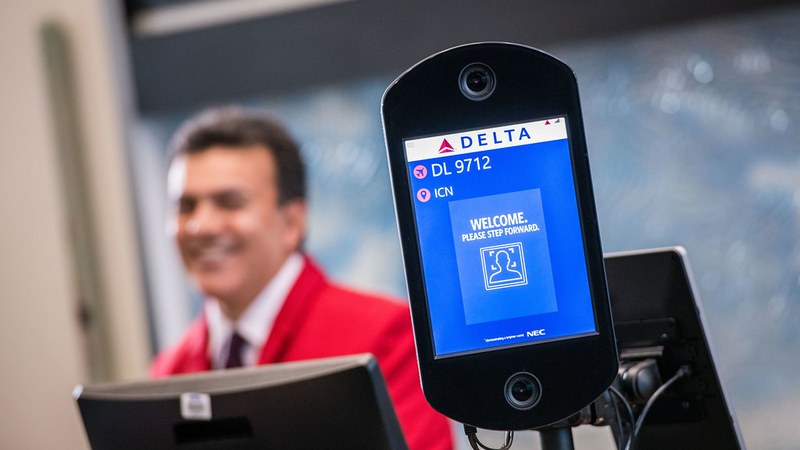
Delta Air Lines, American Airlines, and United Airlines have reported a significant number of grounded flights, contributing to a cascade of delays. These leading carriers operate some of the nation’s busiest domestic and international connections, meaning their struggles have far-reaching implications.
Flight schedules remain volatile with frequent delay announcements and cancellations, often at short notice, leaving passengers navigating a complex travel environment.
Operational Strains and US Airport Congestion
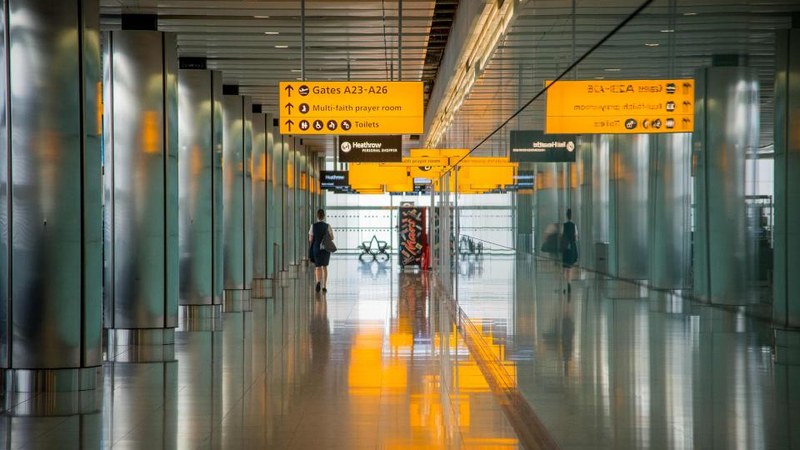
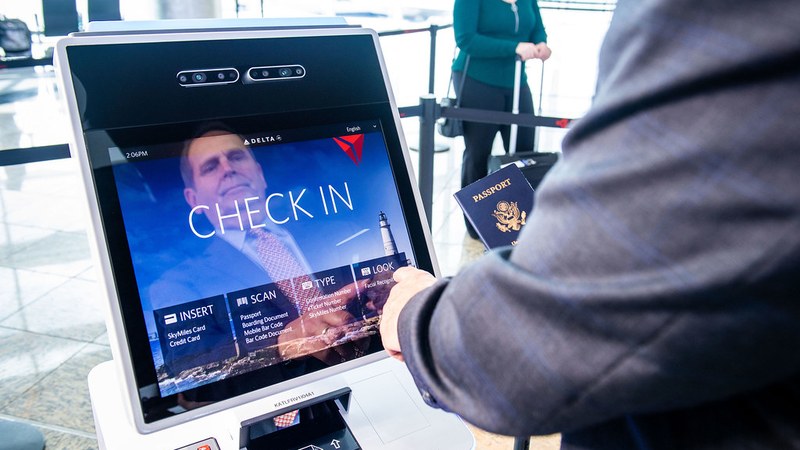
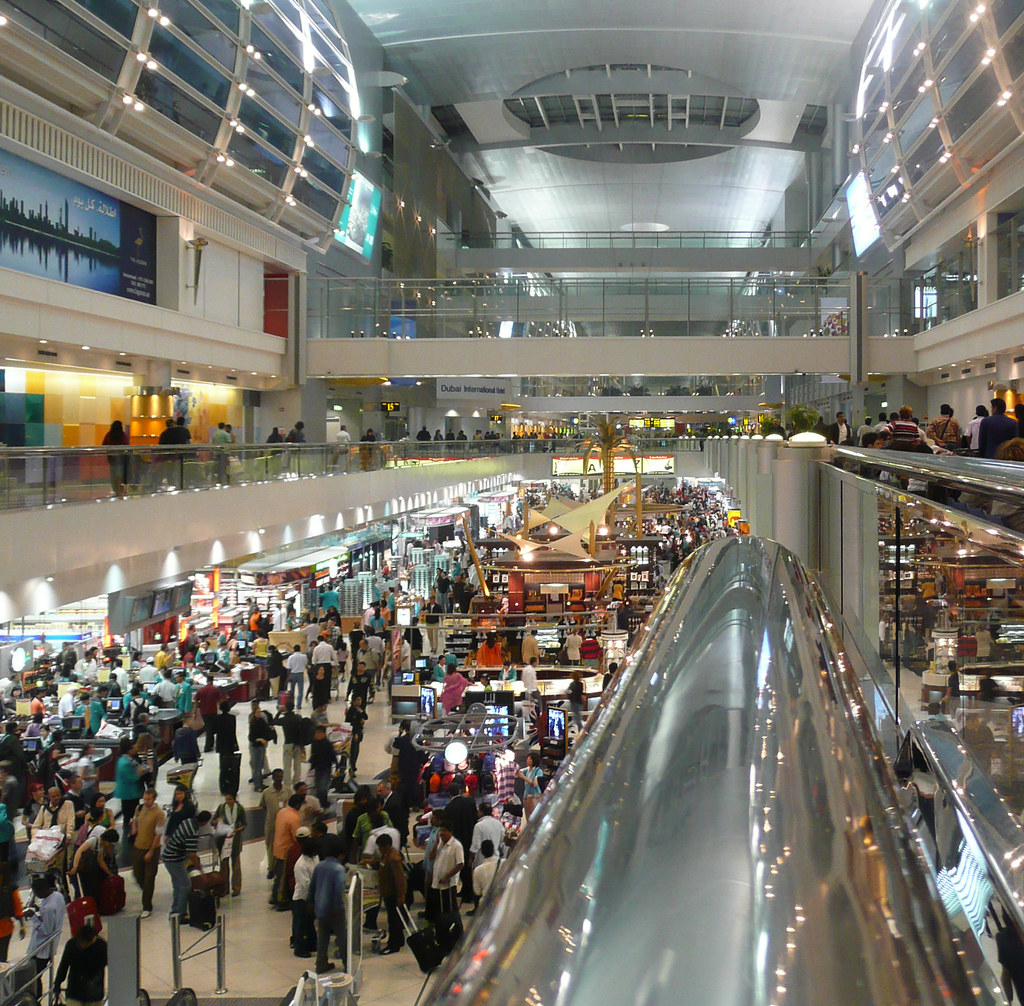
The concentrated activity in major airports has aggravated congestion problems this summer. Overcrowded terminals, busy check-in counters, and a backlog of delayed flights have compounded the challenges at key hubs. Runway and gate availability, staff shortages, and peak seasonal demand have been cited as contributing factors by industry analysts, underscoring the operational strain throughout the network.
Travel Industry Ripple Effects
The ongoing disruptions have not only impacted passengers but have also presented challenges for the broader travel industry. Airlines are under pressure to
adjust scheduling and manage rebooking efforts effectively while airport authorities continue to address capacity limitations and logistical hurdles. This turbulence also affects tourism-dependent businesses and airport vendors relying on steady passenger flows during peak travel months, highlighting the delicate balance required to maintain operations during such intense demand periods.
Implications for American Travelers During Peak Season
Passengers should anticipate longer wait times, increased likelihood of missed connections, and potential changes to their itineraries as airlines attempt to manage the volume of disrupted flights. It is advised that travelers monitor official airline channels closely for updates and prepare contingency plans when planning summer journeys. The combination of crowded
terminals and shifting flight schedules necessitates flexibility for those flying domestically or internationally.
Flight Information Monitoring and Passenger Preparedness
Accurate real-time flight status information is critical this season. While specific reasons behind all delays have not been officially detailed, those affected are encouraged to keep abreast of any official notifications issued by their airlines or airports. Arriving early at airports and remaining adaptable can help mitigate some of the challenges encountered during this period of heightened air travel disruption.
Looking Ahead: Managing Summer Travel Disruption
The scope of flight delays and cancellations across major US airports this summer remains a concern for the remainder of the peak season. Airlines and airport authorities
are actively working to manage capacity and improve passenger processing amid ongoing operational hurdles. Travelers should continue to plan with caution and stay informed to navigate the dynamic environment impacting air travel this summer.