Intense thunderstorms swept the Eastern United States on July 23, 2026, prompting the Federal Aviation Administration to implement ground stops across a network of busy East Coast airports. These measures temporarily restricted aircraft departures and arrivals at major hubs including John F. Kennedy International Airport, LaGuardia Airport, and Newark Liberty International Airport.
Flight Disruptions at Major East Coast Airports
More than 7,000 flights were disrupted nationwide on July 23, encompassing cancellations and delays at key airports across the Northeast and Mid-Atlantic. The New York City metropolitan area specifically experienced nearly 600 cancellations and over 500 delays departing from JFK, LaGuardia, and Newark. At JFK, ground delays averaged
approximately four hours during the storms, severely impacting schedules. Additional affected airports included Philadelphia International, Baltimore/Washington International, Boston Logan, Teterboro, Westchester County, Ronald Reagan Washington National, and Washington Dulles International Airports.
Airline Responses and Waivers
JetBlue responded by allowing customers to rebook flights without fees through Sunday, July 26, 2026. United Airlines waived change fees for trips departing between July 20 and July 23. American Airlines required affected passengers to rebook travel by Wednesday, July 22, with travel needs to be completed by Friday, July 24. These waivers aimed to provide flexibility as airlines adjusted schedules amid the severe weather conditions.
Passenger Impact and Terminal Conditions
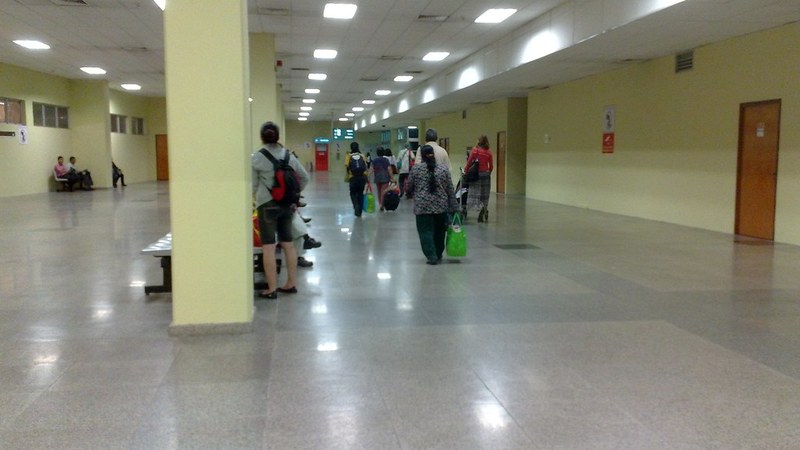
Thousands of travelers
faced delays, cancellations, and terminal congestion at major hubs. Passengers were forced to rebook itineraries or wait extended periods in terminals, with some needing overnight accommodations due to late cancellations. Reports indicated that some travelers attempted to retrieve luggage flown ahead on earlier flights or were rerouted through alternative hubs to bypass storm-affected airspace.
FAA Ground Stops and Weather Factors
The FAA employs ground stops to safely manage air traffic when arrival or departure routes are closed by weather. On July 23, multiple lines of strong thunderstorms stretched over the Lake Erie region and the Mid-Atlantic coastline, reducing airport capacity. Ground stops help prevent excessive airborne
holding and terminal airspace gridlock. The severe weather also prompted flood warnings and tornado watches, with at least two tornadoes confirmed in northeast Pennsylvania and northern New Jersey.
Airlines proactively canceled select flights to maintain network flexibility. Flights were rerouted around storm cells or diverted to less congested airports where possible. Although these steps mitigated prolonged ground holds, the initial disruptions are expected to affect operations for one to two subsequent days at heavily used hubs along the East Coast.
The FAA and airlines stressed the importance of frequent flight status monitoring during ongoing storm activity. Travelers were urged to
use airline apps for updates on last-minute changes, as convective weather continues to be a primary cause of delays and cancellations during the summer peak season.