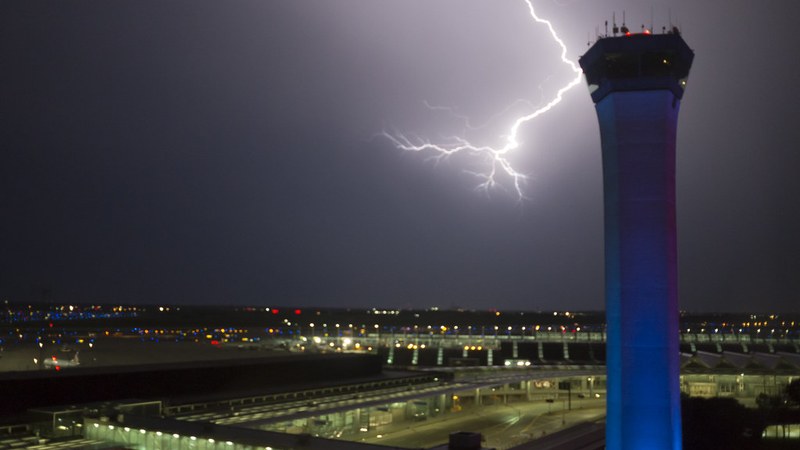
More than 200 flights were cancelled in and out of Portugal on November 11, 2026, as Storm Charles brought heavy rain and gusty winds. Schools closed nationwide, hundreds of supermarkets and businesses shut, and emergency services along with army units were placed on high alert in anticipation of the storm’s impact.
Storm Charles Weakens Before Landfall
The Portuguese Institute for Sea and Atmosphere (IPMA) reported that the eye of Storm Charles split into two over the Atlantic Ocean, reducing its intensity before reaching southern Portugal, including the Algarve region. The storm was expected to affect most of southern Portugal and the Lisbon area by late
afternoon on the same day.
Civil Protection Reports Multiple Incidents
Authorities recorded 538 separate incidents related to Storm Charles since midnight on November 11, according to Civil Protection Commander Mario Silvestre. High alert levels remained in place for flash floods, strong winds, and turbulent seas while roads including tunnels in Lisbon were largely closed due to flooding concerns.
Flooding and Rescues in Madeira
Earlier in the day, the Madeira archipelago experienced flooding and fallen trees caused by the storm’s passage. Emergency responders rescued a man swept away by water that flooded his garage on the island. No fatalities were reported following the incident.
Ongoing Weather Challenges Following Storm Bruna
Storm Charles followed Storm Bruna, which has
affected Portugal and Spain since November 8, 2026, with heavy rains and flooding. In southwestern Spain, including central areas like Piedralaves, over 3,000 residents were evacuated starting November 10 due to the risk of dam overflow. Spain’s national weather service AEMET issued warnings of serious impacts expected from Charles, including intensified rainfall, strong winds, and rough seas.
Travelers in Portugal faced direct disruption from the cancellation of more than 200 flights and the closure of schools and non-essential public services. The government had previously come under criticism for delayed responses to earlier storms this year and took pre-emptive measures this
time to mitigate the storm’s effects.