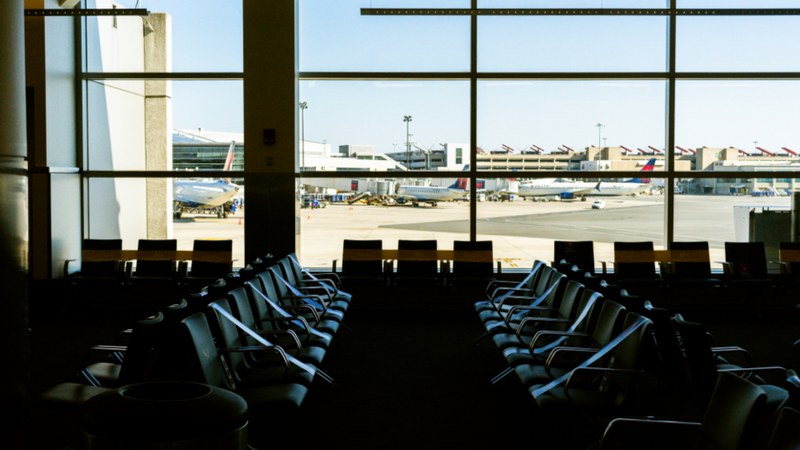
Severe thunderstorms across the New York metropolitan area on August 8, 2026, forced the Federal Aviation Administration (FAA) to impose ground stops at Newark Liberty International Airport, John F. Kennedy International Airport, and LaGuardia Airport. The combined effect resulted in 930 flight cancellations by late evening.
The ground stop at LaGuardia and JFK airports was lifted around 8:30 PM Eastern Time, while Newark and JFK continued under ground stops expected to last until approximately 10:00 PM ET. Newark remained under an active FAA delay program with arrival delays averaging about one hour and 15 minutes during the evening hours, reflecting
continuing air traffic management constraints.
Airline Travel Waivers and Refund Policies
Delta Air Lines, American Airlines, United Airlines, JetBlue Airways, Southwest Airlines, and Alaska Airlines issued travel waivers permitting passengers affected by the cancellations to rebook or cancel their flights without incurring change fees. American Airlines’ waiver, covering tickets purchased by August 5, 2026, remains valid for travel from August 7 through 9, with rebooking available until August 9, marking the earliest deadline among carriers. Delta’s SkyWatch advisory covers travel from August 6 to 8, requiring ticket issuance by August 6 and rebooking by August 11. United’s waiver applies to travel between August 5 and 10,
and JetBlue’s waiver pertains only to August 7 travel with rebooking through August 12.
Regardless of waiver status, federal Department of Transportation rules entitle passengers to full cash refunds if their flights are canceled, even for weather-related disruptions. This refund policy is distinct from airline waivers, which offer fee waivers for voluntary trip changes.
FAA Operational Constraints and Structural Factors
The FAA cited “severe weather and staffing constraints at the New York Air Route Traffic Control Center” in Ronkonkoma, Long Island, as the cause of the delays and ground stops. This single air traffic control facility manages the shared arrival corridors for Newark, JFK, and LaGuardia,
causing synchronized impacts across all three airports when weather reduces arrival capacity.
Newark Airport faces a structural limitation not present at JFK or LaGuardia. Since July 2024, radar approach control for Newark has been managed by the Philadelphia TRACON instead of the New York TRACON, impacting sequencing during peak demand. Additionally, an FAA cap limits Newark to 72 aircraft movements per hour through October 24, 2026, restricting its ability to recover quickly from weather-related arrival rate reductions.
Ground Transportation and Real-Time Flight Information
The thunderstorms also caused a suspension of NJ Transit rail services on August 8, further complicating ground access to the airports. Passengers are
advised to use the FAA National Airspace System Status page and flight tracking services like FlightAware for up-to-date information on flight statuses at Newark, JFK, and LaGuardia.
Official Statements and Wider Effects
The FAA described the disruption as resulting from “severe weather and staffing constraints at the New York Air Route Traffic Control Center.” On the day before the storms intensified, August 7, FlightAware recorded nearly 2,000 flight cancellations across the United States, including major Northeast airports such as Boston Logan and Reagan National.
Flight delays continued as airlines worked to recover from multiple days of weather disruption. Newark’s limited hourly movement allowance and radar
control changes have contributed to slower recovery times compared to JFK and LaGuardia. Passengers who are flexible about their airport of arrival or departure should consider these structural differences.
Despite the lifting of ground stops at LaGuardia and JFK, arrivals at Newark continued to face delays of more than an hour late into the evening of August 8, 2026, with FAA traffic management measures still in effect to ensure safety in the congested New York metropolitan airspace.