Spirit Airlines Shutdown Drives U.S. Airfare Growth and Travel Uncertainty
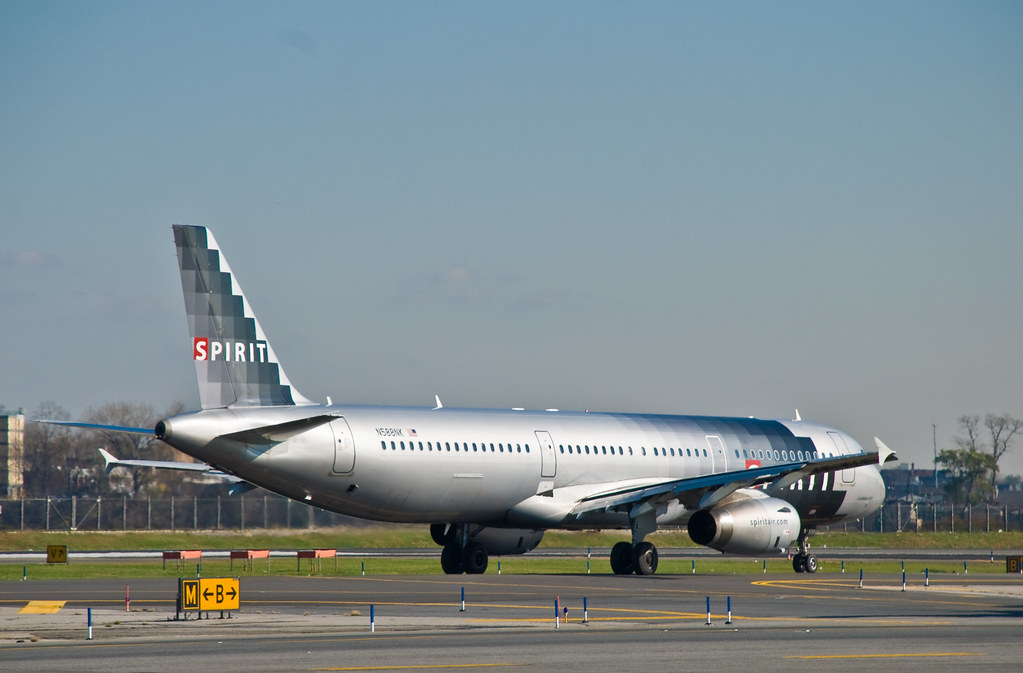
The recent shutdown of Spirit Airlines is causing noticeable reverberations across the U.S. aviation market and budget travel sector. As one of the leading low-cost carriers in the United States, Spirit’s cessation of operations impacts both domestic and international routes, prompting a rise in airfares and creating operational disruptions at several notable airports.
Industry observers note that travelers relying on affordable airfares now face limited options, particularly on routes that Spirit predominantly served. This shift is contributing to upward pressure on ticket prices at a time when cost-conscious travelers are already navigating complex travel environments.
Major U.S. hubs including Orlando
and San José International airports, which have been important departure points for budget flyers, are among those feeling immediate effects. The airline’s absence reduces flight availability, tightening capacity and creating upward fare momentum that may prompt travelers to reassess their travel plans.
Caribbean and Central American Airports Face Operational and Economic Challenges
The shutdown extends beyond U.S. borders, significantly impacting key airports in the Caribbean and Central America. Destinations such as Cancun in Mexico along with airports in Jamaica, Honduras, Costa Rica, the Dominican Republic, and Belize are experiencing operational disruptions due to their reliance on Spirit Airlines for substantial passenger volume.
These airports have traditionally benefited from competitively priced
flights catering to both American tourists and regional travelers. With Spirit’s exit, the ripple effects include decreased flight frequency and possible delays, complicating travel arrangements during peak and off-season periods.
Beyond immediate logistical concerns, the budget travel void may challenge local economies dependent on tourist inflow, particularly those servicing North American visitors. Caribbean tourism sectors often leverage affordable airfares to promote travel, and disruptions can influence visitor numbers and overall sector stability.
Budget Travel Concerns for American Tourists
For budget-conscious American tourists, the shutdown introduces uncertainty in planning Caribbean and Central American trips. Reduced competition on key routes is translating into higher airfares, offsetting gains previously
achieved through ultra-low-cost carrier options.
Travelers may encounter fewer nonstop flight choices, longer travel times, and increased costs when flying to traditionally popular vacation spots that had been served by Spirit Airlines. This dynamic compels travelers to consider alternative airlines or connecting routes, potentially escalating both expense and inconvenience.
Airlines that remain operational on these routes may adjust their pricing strategies in response to decreased low-cost competition, affecting affordability. Consequently, discerning travelers who prioritized budget options may need to reevaluate budget allocations or timing for trips.
Industry stakeholders and travel agencies are closely monitoring these changes, aiming to provide updated
guidance and alternatives to affected travelers amid evolving market conditions.