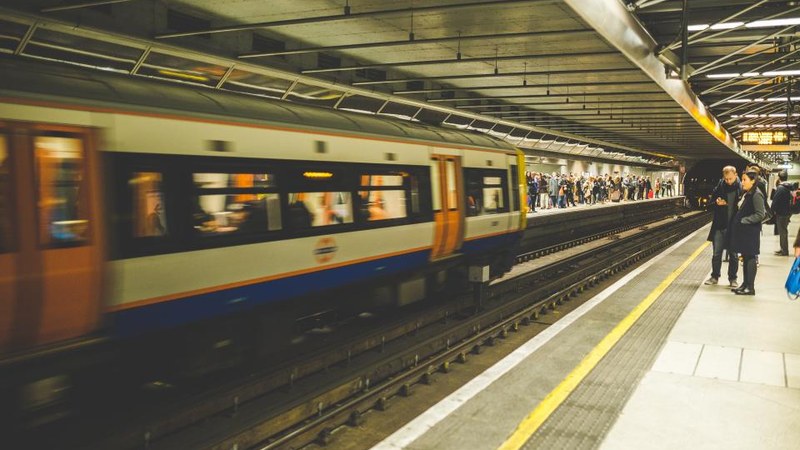
Spain experienced a nationwide rail strike on Tuesday, November 17, 2026, lasting 24 hours and affecting passenger and freight services across the country. The strike involved Renfe, Adif, and eight other rail operators, including Iryo and Ouigo, impacting commuter, regional, high-speed, and freight train operations.
Minimum Service Obligations and Compliance
The Spanish government mandated minimum service levels during the strike. Renfe was required to operate 72% of AVE high-speed and long-distance trains, equating to 177 out of 246 scheduled runs. Regional Media Distancia trains needed to maintain 65% service, or 444 of 682 trains. Cercanías commuter lines were to run 75% of trains at peak
times and 50% outside peak. Freight trains under Renfe had a minimum service level of 26%.
Iryo planned to maintain 70% of its services, with 12 of 40 scheduled trains at risk, while Ouigo scheduled 17 of 27 trains to operate and cancelled 10. Early assessments indicated Renfe and Rodalies commuter services in Catalonia did not meet the government’s minimum service requirements, with Rodalies reporting only about 50% of trains running during the strike.
Passenger Impact and Service Disruptions
The strike affected all major rail sectors and resulted in widespread cancellations and operational disruptions. An estimated 329 long-distance, regional, and private operator (Iryo and Ouigo)
passenger trains were not guaranteed to run on November 17, excluding commuter services. The exact count of cancelled trains was unconfirmed. Reports indicated the strike disrupted services for more than 1.5 million passengers nationwide.
Rodalies services in Catalonia operated at approximately half capacity, falling below government minimums. Passengers faced uncertainty with varied operator compliance, necessitating reliance on official operator applications for real-time updates.
Cause of the Strike and Background
The strike was initiated by the general works councils of Renfe and Adif and endorsed by multiple unions, including SEMAF, UGT, CCOO, and CGT. It centered on demands for strengthened rail safety measures and improved staffing levels
following three fatal accidents in 2026. The accidents occurred in Adamuz in January and two events on October 28 in Gélida and Urda, resulting in a total of 115 deaths according to Spanish reports.
Despite the government appointing new leadership at Adif and Renfe in response to the accidents, unions criticized the measures as insufficient to guarantee safer working conditions and adequate staffing. Renfe and Rodalies accused train drivers of failing to comply with mandated service minimums during the strike days.
Upcoming Strike Plans and Government Response
The drivers’ union SEMAF announced another strike planned for Monday, November 23, 2026, continuing the demands on safety and
workforce levels. This subsequent strike will also affect the same eight train operators covered in the current labor action.
There were no reports of industrial actions on November 18. Unions maintained their position despite government attempts to address safety through management changes, indicating unresolved tensions over safety and staffing provisions.