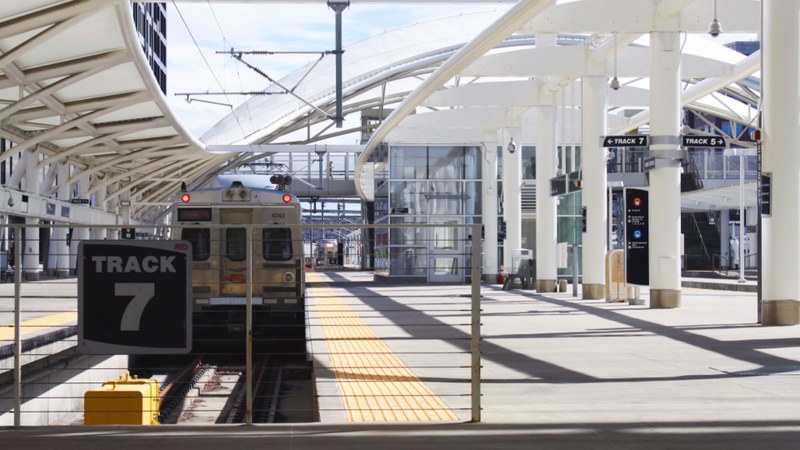
Spain experienced a nationwide rail strike on November 17, 2026, affecting services operated by Renfe, Iryo, Ouigo, and infrastructure company Adif. Train drivers failed to comply with the mandated minimum service levels set at 66%, resulting in 40% cancellations of scheduled minimum services by 9:30 a.m. and reaching nearly 56% during peak morning hours. At times, services operated at roughly 30% of normal off-peak levels during rush hour, severely impacting commuter rail lines including the R4 Rodalies route in Catalonia.
Strike Rooted in Safety Concerns After Two Deadly Crashes
The strike was called by railway unions in response to demands for enhanced safety guarantees following two fatal accidents earlier
in the year. The Urda crash near Toledo on October 28 killed 69 people, renewing calls for safety protocol reviews and better coordination among rail operators. Earlier, a crash in Adamuz on January 18 claimed 46 lives. The unions representing workers across Adif, Renfe, private operators, and freight companies demand increased staff levels, comprehensive occupational risk prevention measures, emergency plan enhancements, and investigations into leaked recordings related to the Urda accident.
Authorities Warn of Disciplinary Action Against Drivers
Authorities condemned the failure to maintain 66% minimum service levels as unacceptable. Catalan government spokesperson and Minister for Territory Sílvia Paneque announced that disciplinary proceedings will be initiated against
noncompliant train drivers. Measures could include salary deductions for missed shifts or even dismissal. Paneque said, “Those who break the rules will face the consequences.” She added a “small group” of drivers was responsible for significant mobility disruptions and stressed that all available mechanisms would be employed to address the issue. Rodalies director Òscar Playà had sent a letter on November 16 reminding drivers of their legal obligation to meet the minimum service requirements to preserve public mobility.
Commuters Face Severe Service Reductions on Key Routes
During the strike, many routes operated at severely reduced levels, with the R4 Rodalies commuter line among the hardest hit. Services at
peak times frequently fell below the mandated minimum, causing widespread cancellations and delays. Rail users were advised to seek alternative transport options and plan journeys ahead of time. The disruption followed a similar strike on November 10 that nearly halted Madrid and Barcelona commuter rail networks. The unions cited poor strike notification management by Renfe as a factor increasing operational difficulties during the stoppage.
Union Officials Demand Greater Investment and Safety
José Bravo, secretary of the railway sector for the UGT union in Catalonia, criticized the lack of safety assurances and insufficient investment in infrastructure and rolling stock. He said, “We also suffer from the poor service,
which could certainly be improved, but safety in this mode of transport is essential, and it is not being guaranteed.” Bravo called for “much more investment” to provide a safe, high-quality rail service. Union protests were held outside Barcelona’s Sants station to press for these demands. The unions also called Renfe’s minimum service levels excessive and pointed to poor communication as part of the disruption.