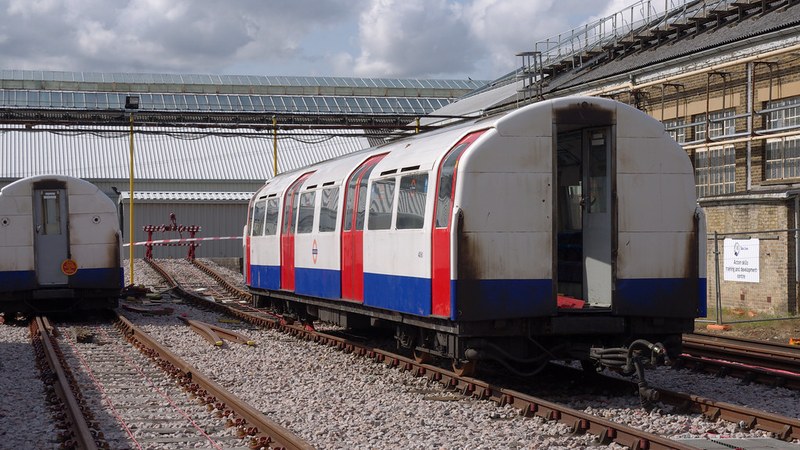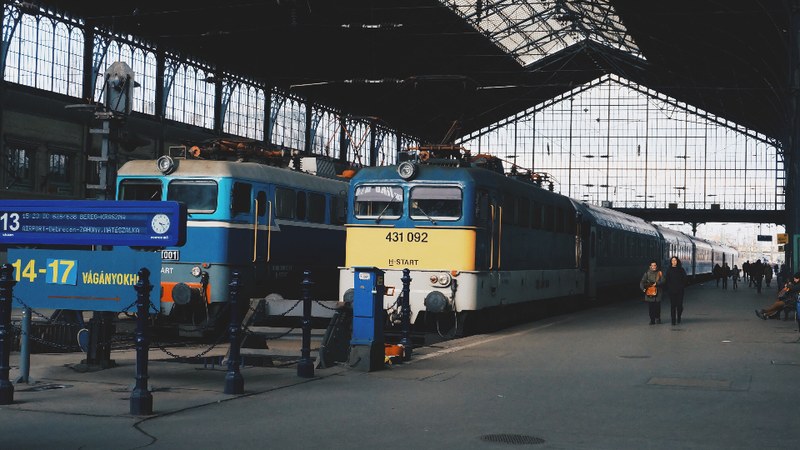
A rear-end collision between two high-speed trains on October 28, 2026, near Urda in Toledo Province, central Spain, has resulted in 68 confirmed fatalities. The accident occurred at 8:53 a.m. local time when a Renfe train, traveling at an estimated 160–200 km/h, struck a stopped Iryo train on the Madrid–Seville line. Both trains were eight-car formations running from Madrid to Seville.
Signal System Failure and Control Center Decisions
An automatic failure of the LZB train control and safety system occurred at 8:31 a.m. on the day of the accident. This failure caused both trains to stop automatically. Following the failure, the control center instructed the trains’ operators
to proceed using block operation via ground signals (BSL) and to depart at normal speeds. Despite this, the signal controlling the Renfe train changed from red to green even though the Iryo train remained stopped ahead. Transport Minister Óscar Puente confirmed that this arrangement exposed a serious signal system failure combined with human error in control center judgment.
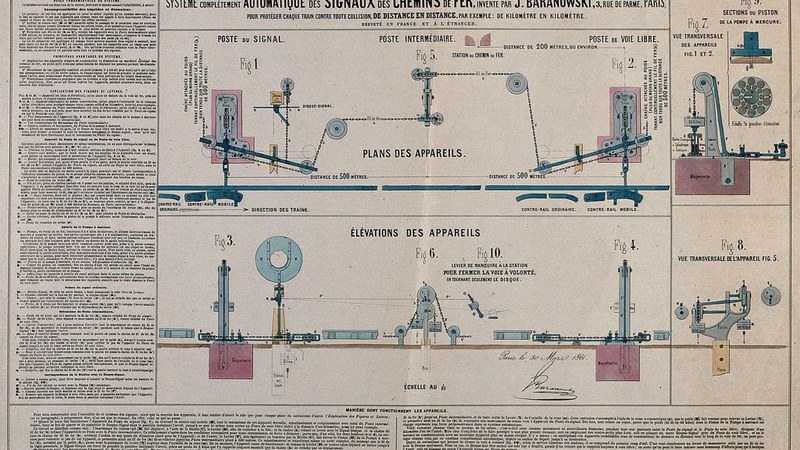
The LZB system, designed to automatically regulate speed and braking based on the train’s distance from preceding traffic, was nonoperational, forcing reliance on visual checks by dispatchers. The speed limit under these conditions was supposed to be 40 km/h, but the Renfe
train was allowed to restart at full operating speed, causing the crash. Authorities continue to investigate why the Iryo train did not resume movement.
Aging Signaling Technology and Delayed Upgrades
The Madrid–Seville line opened in April 1992 as Spain’s first high-speed route and remains the only such line still using the German-made LZB system. While other lines like Madrid–Barcelona and Madrid–Levante have transitioned to the European standard ERTMS signaling system, this line’s modernization has faced delays. Adif, the railway infrastructure manager, signed a contract with Thales España in October 2021 for a €93.83 million signal upgrade project initially budgeted at €131 million. The project was scheduled
for completion by February 2026 but has been postponed to 2027 or later, with Hitachi Rail taking over the contract in 2024.
This delay has preserved the operation of the outdated LZB system. In 2026 alone, LZB triggered 170 stops, indicating operational difficulties. The European Union aims to unify railway signaling to ERTMS by 2050 to replace more than 25 incompatible systems in member countries.
Dispatcher Workload and Safety Concerns
The accident highlights human factor vulnerabilities in Spain’s high-speed rail safety. At the time of the crash, 16 dispatchers operated at the Madrid control center, with two assigned to the affected Madrid–Seville line segment. The
approximately 63 kilometers affected by the LZB outage were managed visually by dispatchers, relying entirely on human confirmation to avoid collisions.
In 2024, the Spanish railway accident investigation commission (CIAF) warned that dependence on visual confirmation alone constitutes a safety risk, stating that “this barrier depends entirely on human factors and can therefore fail, and technical mitigation measures need to be introduced.” Union representatives also criticized excessive dispatcher workloads. Raquel Allón, press officer of the dispatchers’ union SCF, labeled routine system dysfunction unacceptable despite increased staffing, which Transport Minister Puente said grew from 1,000 dispatchers in 2016 to 1,700 by
2026.
Political Fallout and Ongoing Investigations
Prime Minister Pedro Sánchez condemned the accidents on the Madrid–Seville line, declaring it “unacceptable that two accidents of the same kind occurred in the same year” after a fatal collision in January 2026 near Adamuz in Córdoba Province. He pledged to uncover the truth and enhance rail safety ahead of the snap general election scheduled for late November 2026.
The opposition party Vox leader Santiago Abascal called Transport Minister Óscar Puente “minister of death,” demanding accountability. Authorities continue identification and recovery efforts with dozens missing, including fourteen foreign nationals from countries such as the United States, France, Japan, Canada,
and others. Police have deployed specialized search teams to the crash debris, and the official death toll may rise.
Investigators have retrieved the black boxes from both trains and handed them over to the Civil Guard. Judicial authorities have opened investigations into the accident. Rail operations on the Madrid–Seville line remain disrupted, with assistance points established at Madrid, Seville, Córdoba, and Málaga stations to support affected passengers.