Severe Storm Warnings Disrupt Travel Across Indiana, Ohio, and Michigan
Several Midwest states, including Indiana, Ohio, and Michigan, are currently under severe weather warnings for potential tornadoes, hail, and flooding. These weather conditions are prompting state and federal agencies to issue travel alerts ahead of the Memorial Day holiday weekend, a peak travel period for American tourists nationwide.
Travelers planning to visit or transit through key cities such as Chicago, Detroit, and Indianapolis should prepare for disruptions resulting from rapidly evolving storm systems. These warnings come amid reports of flight delays and cancellations affecting major airports in the region, compounded
by Federal Aviation Administration (FAA) operational restrictions limiting capacity during peak travel periods.
Impact on Flights and Ground Transportation in the Midwest
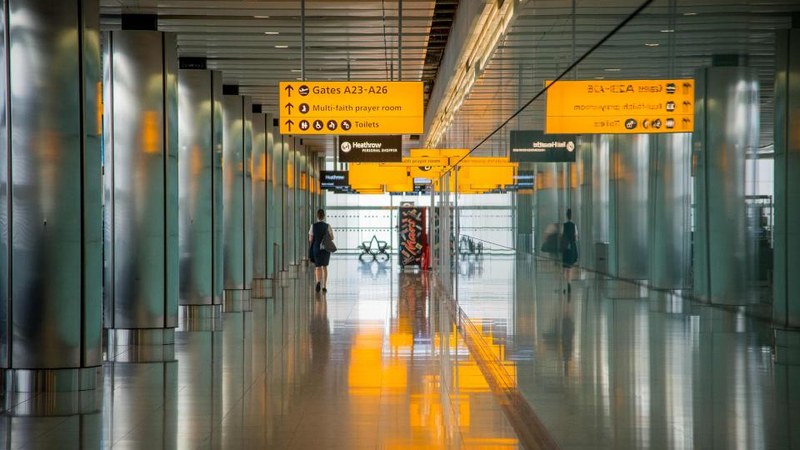
Flight disruptions are occurring widely across the Midwest, notably in Chicago O’Hare, Detroit Metropolitan Wayne County Airport, and Indianapolis International Airport. These airports have experienced delays and cancellations connected to severe weather events including hailstorms and flooding that limit runway availability and raise operational safety concerns.
In addition to air travel, ground transportation networks are encountering challenges. Flood-prone areas face potential road closures or hazardous driving conditions, while tornado warnings necessitate vigilance among drivers and travelers utilizing bus
and rail services. These factors contribute to a more complex travel environment for individuals moving through or within the affected states.
Why These Developments Matter for U.S. Holiday Travel
The timing of these severe weather risks intersects with a traditionally high volume of holiday weekend travel, increasing the potential for widespread inconvenience. With many Americans heading to destinations across the Midwest or passing through the region on connecting itineraries, even localized weather disruptions can cause ripple effects in scheduling, staffing, and resource allocation within the travel and tourism sectors.
Moreover, FAA capacity limits are already in place to manage increased
passenger loads during the holiday rush. Severe weather further exacerbates these constraints, limiting the ability of airlines and airports to recover swiftly from delays or interruptions. As a consequence, travelers may face longer wait times, more frequent schedule changes, and increased difficulty rebooking flights.
Recommendations for Travelers in the Midwest Amid Severe Weather Risks
Travel industry professionals advise that tourists and business travelers planning to move through Indiana, Ohio, Michigan, or other affected Midwest areas should monitor official weather advisories continuously. Checking flight statuses before heading to airports and preparing for potential schedule changes are critical steps to avoid inconveniences.
Ground travelers are encouraged to evaluate alternative routes and remain flexible with timing. Given the possibility of road flooding and tornado warnings, awareness of local alerts and easy access to emergency information can enhance safety and travel experience during this unsettled period.
Preparedness and Coordination Between Agencies Key to Mitigating Travel Disruptions
Multiple state agencies and federal authorities have coordinated to provide timely storm travel warnings and ensure public safety throughout this period of severe weather risk. Effective communication between weather services, transportation departments, and aviation authorities remains vital in managing ongoing travel disruptions and assisting affected passengers.
Travelers are
urged to factor potential weather impacts into itinerary planning and maintain a flexible approach to holiday travel arrangements. Staying informed through official channels will be essential as conditions develop through the Memorial Day weekend.