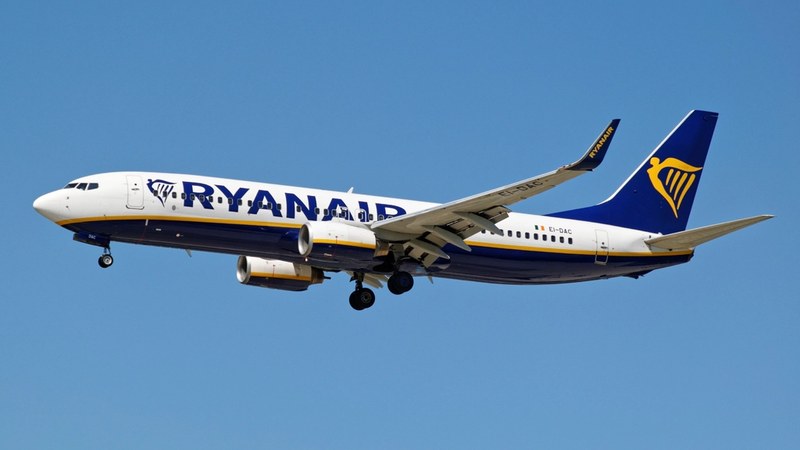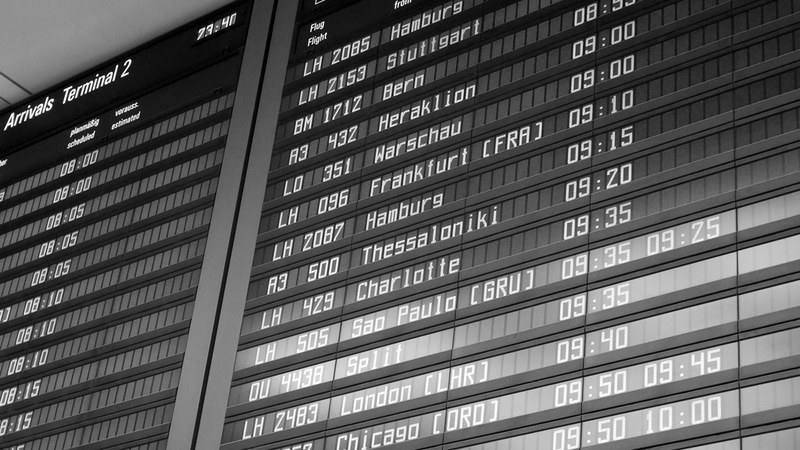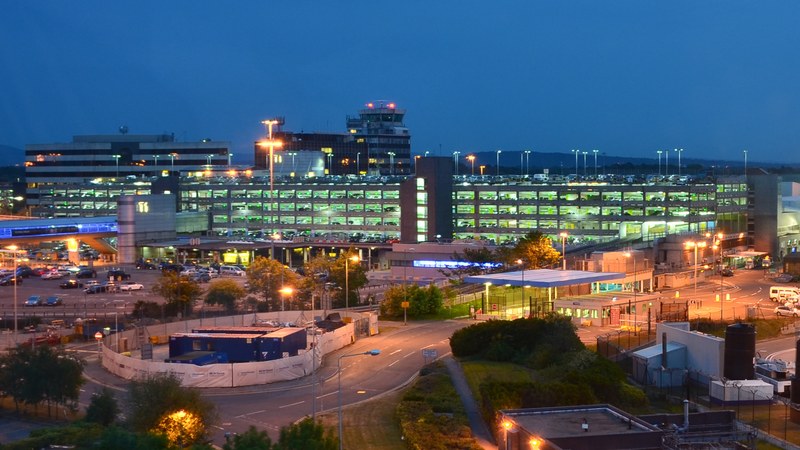
Ryanair cancelled over 1,000 flights in September 2026 due to repeated air traffic control system failures affecting UK airports. The disruptions affected Heathrow, Gatwick, Manchester, and Stansted airports, where more than 1,300 flights were grounded on September 8 alone.
Air Traffic Control Failures and Contributing Factors
The cancellations followed two UK air traffic control outages within a fortnight in September 2026. National Air Traffic Services (NATS) attributed the September 8 system failure to a “spurious flight plan.” The issue mirrors an August 2023 collapse triggered by a single French flight plan that stranded approximately 700,000 passengers. Disruptions intensified due to strikes by Belgian air traffic controllers and
volcanic ash clouds from Mount Etna.
A connectivity problem at the NATS Scottish control centre in Prestwick later in September caused additional flight cancellations across British airspace.
Official Responses and Management Criticism
Ryanair Chief Operating Officer Neal McMahon labelled NATS Chief Executive Martin Rolfe an “overpaid failure” following the failures. McMahon criticised NATS publicly and called for Rolfe’s resignation. Rolfe apologized on BBC Radio 4’s Today Programme, stating “Things do go wrong in complex systems,” emphasising that safety was never compromised and ruling out cyberattacks.
Transport Secretary Heidi Alexander summoned NATS chairman Sir Warren East for urgent meetings to address underlying infrastructure problems and sought
assurances that the air traffic control system will be strengthened to prevent future shutdowns.
Passenger Impact and Airline Capacity Adjustments
Ryanair carried 20.1 million passengers on more than 111,700 flights in September 2026, a 4% increase compared to the previous year despite the flight cancellations. Rival Wizz Air reported a 24% rise in passenger numbers to 7.78 million over the same period. However, Wizz Air announced plans to reduce its capacity by 5% later in the year, citing pressure from rising jet fuel costs and geopolitical tensions in the Middle East.
The widespread cancellations and delays across multiple UK airports over a multi-day period disrupted thousands
of passengers’ travel plans and highlighted ongoing vulnerabilities in UK air traffic control systems.