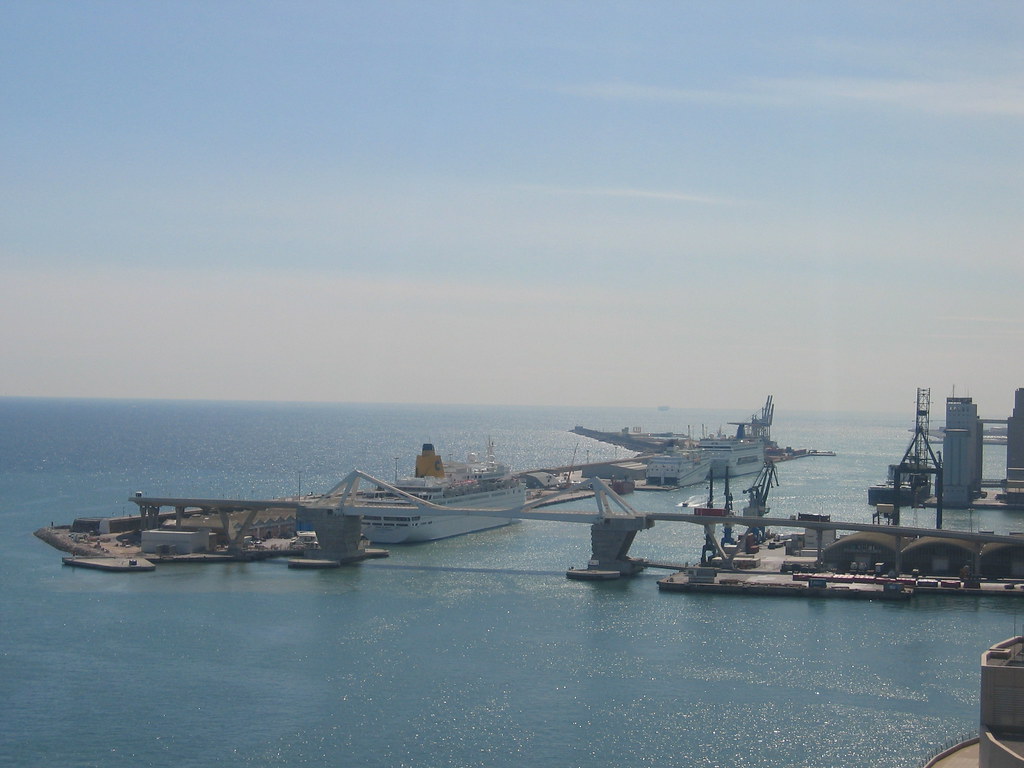
Hantavirus Incident in Rotterdam Prompts Heightened Cruise Ship Sanitation Procedures
Recent reports confirm that a cruise ship with confirmed hantavirus presence docked at Rotterdam port for extensive disinfection efforts. This development marks a significant moment in maritime health security, raising awareness of virus transmission risks aboard vessels often frequented by international travelers, including many from the United States.
Rotterdam’s port, one of Europe’s major maritime hubs, undertook rigorous cleaning protocols following the docking, underscoring an immediate response to health contingencies. These sanitation measures align with broader initiatives aimed at controlling cruise shipborne infectious diseases and reflect global efforts to fortify passenger safety amid emerging viral threats.
Implications for U.S. Traveler Safety and Global Cruise Operations
The incident has triggered
enhanced monitoring from U.S. health authorities, emphasizing the importance of proactive health surveillance in cruise environments. For U.S. travelers, these developments signal upcoming changes in how cruise operators manage onboard health risks, including intensified screening, sanitation, and potentially altered itineraries linked to port disinfection requirements.
Travelers planning international cruises should remain vigilant regarding official communications, as ports globally may implement similar disinfection standards in response to heightened concerns over hantavirus and other contagious pathogens. Ports may also adjust docking procedures and passenger embarkation policies to mitigate infection risks, impacting the standard cruise experience.
New Global Cruise Health Alerts and Protocols
This Rotterdam case contributes to a growing
portfolio of global cruise health alerts, encouraging the industry to revisit established hygiene and disease control guidelines. As international traffic resumes post-pandemic, the cruise sector faces renewed pressure to harmonize health protocols that can address not only common respiratory illnesses but also zoonotic infections like hantavirus.
Health authorities and cruise lines are reportedly collaborating to revise environmental cleaning regimens, employ advanced pathogen detection technologies, and update passenger health declarations. These comprehensive measures aim to preempt outbreaks and reassure a cautious traveling public, particularly those from the U.S., who represent a large segment of global cruise passengers.
What U.S. Passengers Should Monitor Before Booking or Boarding
Given the evolving scenario, U.S. travelers can take several practical steps to stay informed and prepared:
Consult official cruise line
updates and port authority announcements regarding health screening and disinfection protocols. Review travel insurance policies for coverage related to infectious disease interruptions. Monitor U.S. Centers for Disease Control and Prevention (CDC) advisories on cruise travel and global health alerts. Prepare for possible itinerary adjustments or port substitutions linked to enhanced disinfection measures. Prioritize cruises with transparent health policies and demonstrated commitment to passenger safety.
Ongoing Vigilance and Adaptation in the Cruise Industry
The Rotterdam docking incident underscores the cruise industry’s vulnerability to emerging infectious diseases and the high stakes involved in maintaining passenger trust and operational continuity. Cruise lines and port operators must remain agile as health landscapes
evolve, integrating lessons learned into protocols that ensure safe, enjoyable voyages.
While specific itinerary changes remain unconfirmed, the trend toward more rigorous health safeguards is clear. U.S. travelers embarking on global cruises should anticipate an environment emphasizing health security, from embarkation to disembarkation, and plan accordingly to minimize inconveniences.
As this story progresses, ongoing dialogue between health authorities, maritime stakeholders, and travelers will be essential to balancing safety imperatives with the renewed enthusiasm for international cruising.