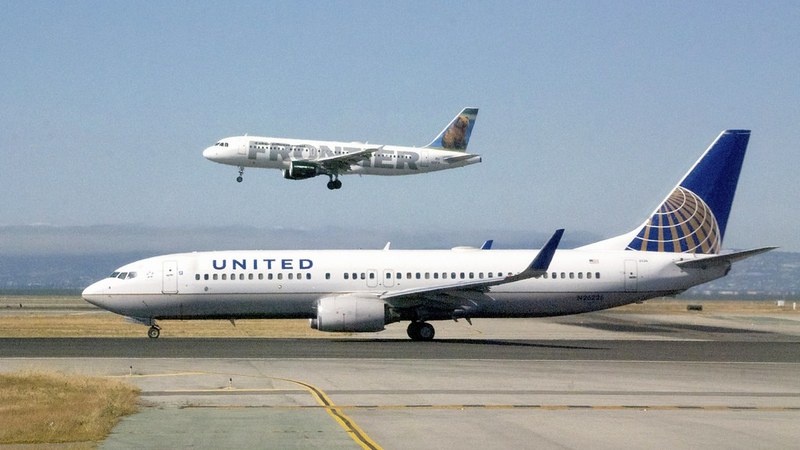
More than 2,000 flights were canceled and over 5,000 others delayed across the United States on July 22, 2026, with nearly 7,000 flights disrupted overall amid severe thunderstorms. Major airports in the New York City metropolitan area, Boston, Philadelphia, and Washington, D.C. experienced the greatest impact.
FAA Ground Stops and Delays Affect Key Airports
The Federal Aviation Administration (FAA) issued ground stops for at least eight U.S. airports on July 22 to manage traffic amid the storm system. While John F. Kennedy International Airport (JFK) in New York was not under a formal ground stop that afternoon, it recorded an average ground delay of nearly four hours. Toronto
Pearson International Airport in Canada was among those subject to FAA ground stops.
A ground stop halts departures entirely, while ground delays cause flights to remain on the tarmac longer before departure without a complete pause. This contributed to extended waiting times for travelers at JFK even after ground stops lifted at other facilities.
Severe Weather Triggers Widespread Disruptions Across Northeast US
The disruptions stemmed from a severe weather system bringing intense thunderstorms, flood warnings, and tornado watches throughout the Northeast United States. At least two tornadoes were confirmed by emergency officials, one in northeast Pennsylvania and another in northern New Jersey. The storm activity extended delays and
cancellations across the region’s major airports.
Extensive Impact on Travelers and Flight Operations
In the New York City area alone, nearly 600 departing flights were canceled on July 22, while more than 500 additional flights experienced delays. The broader disruption affected other Northeast hubs like Boston, Philadelphia, and Washington, D.C., significantly reducing flight capacity and scheduling reliability across the East Coast.
Airlines, including United Airlines, faced operational challenges as recovery was managed flight by flight rather than as a full schedule reset. Flexible rebooking policies and travel advisories were implemented to mitigate the impact on passengers.