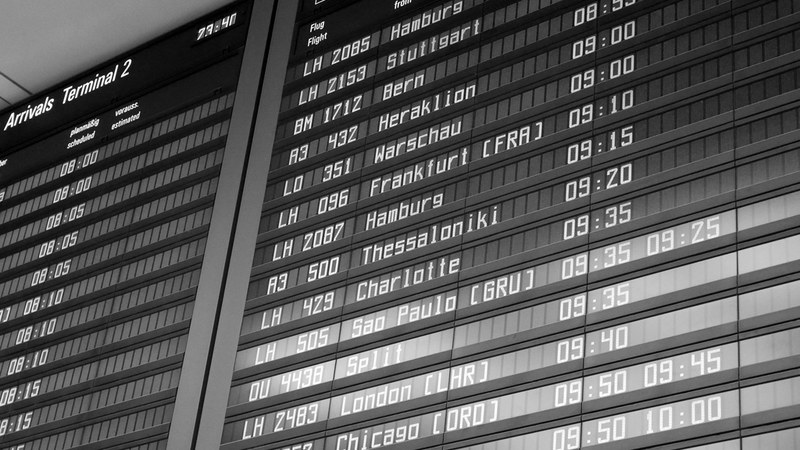
Thunderstorms over northern Illinois led the Federal Aviation Administration (FAA) to implement a ground delay program at Chicago O’Hare International Airport (ORD) on August 9, 2026. The program resulted in average arrival metering delays close to one hour and 45 minutes, with the maximum published delay reaching five hours and 22 minutes.
Chicago Midway International Airport (MDW) also experienced a weather-related ground stop due to thunderstorms, which continued into mid-afternoon Central Time and ended around 4:15 p.m. CDT. Unlike a ground delay program, the ground stop halted departures completely for a defined period, reflecting stricter operational controls during severe weather.
At O’Hare, departure metering delays were reported between approximately one hour and 16 minutes to one hour and 30 minutes, with delays trending upward as of the evening updates on August 9. These delays affected outbound flights, causing extended gate and taxiway holds after boarding.
The FAA’s ground delay program at O’Hare managed arrivals by holding inbound aircraft on the ground at their origin airports or spacing them en route. This measure was necessary to regulate runway and airspace capacity safely as storm cells moved through the region.
American Airlines responded to the severe weather with a same-day travel alert
covering O’Hare on August 9, 2026. The airline waived change fees for qualifying tickets purchased by August 8, 2026, across all fare classes including Basic Economy. Rebooking was allowed for travel during August 9 through August 11, 2026, provided the origin and destination cities remained unchanged.
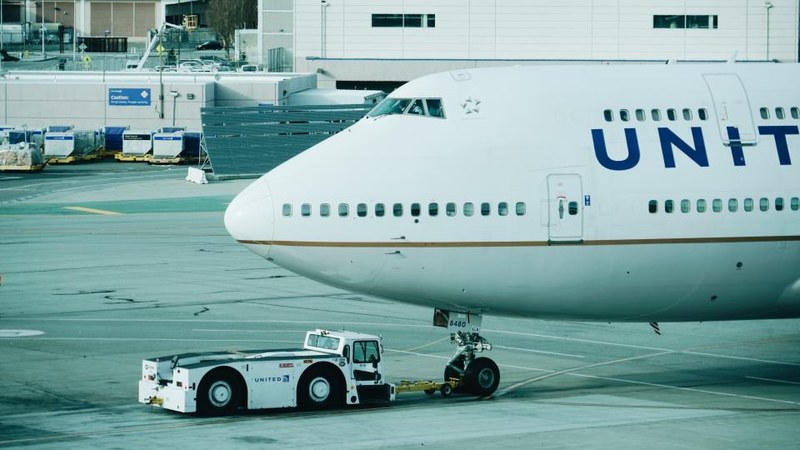
Other carriers serving O’Hare, including United Airlines, the airport’s largest hub operator, also activated weather-related travel tools concurrent with the FAA ground delay program. Passengers were encouraged to use operating carrier apps for updated flight status and rebooking options as policies vary among airlines.
Travelers flying through, into, or out of O’Hare on August
9 faced significant delays, with average arrival metering nearing two hours and individual flights experiencing delays exceeding five hours. Passengers with short connections at O’Hare faced increased risk of missed flights due to cumulative inbound and outbound delays. Those affected were advised to monitor status updates actively and make rebooking arrangements promptly while fee waivers were in effect.
Arrivals under the ground delay program were held at their origin airports, meaning flights departing from airports unaffected by thunderstorms also encountered delays before departure. Travelers originating at O’Hare experienced lengthy departure holds at gates or taxiways. Plans involving rental cars, hotel
shuttles, and activities in Chicago needed to accommodate the extended delay window.
The FAA routinely employs ground delay programs to meter arrivals when airport capacity is reduced by weather or other factors, balancing traffic flow with operational safety. This event demonstrated the operational challenges at major hubs like O’Hare during severe summer thunderstorms, requiring coordinated airline and air traffic management responses.