A nor’easter sweeping the US East Coast on September 28, 2026, produced heavy winds, rainfall, flooding, and hazardous sea conditions from North Carolina to New England, leading to more than 3,000 flight delays and nearly 430 cancellations nationwide, according to FlightAware. New York State Governor Kathy Hochul declared states of emergency for Bronx, Brooklyn, Manhattan, Queens, Staten Island, Nassau, Suffolk, and Westchester counties due to storm impacts. The Federal Aviation Administration (FAA) implemented ground stops and flight cancellations at Logan International Airport in Boston in response to strong winds and unsafe conditions.
Flight Disruptions at Logan International Airport
Logan International Airport faced extensive operational disruptions as
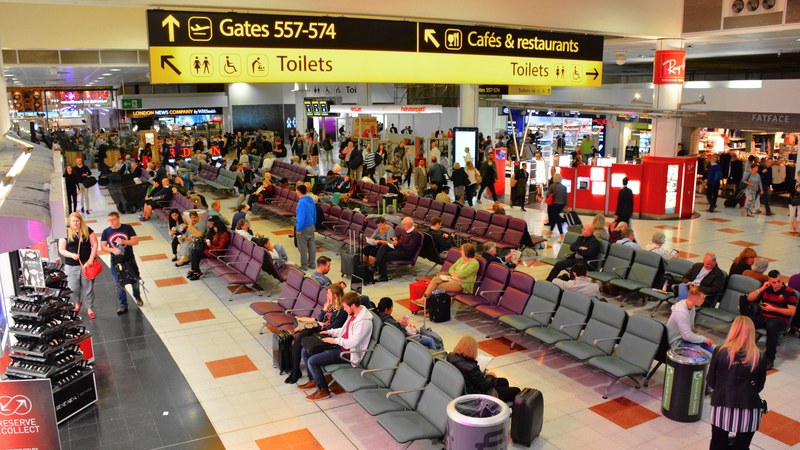
the FAA issued ground stops amid heavy winds and poor visibility. Travelers encountered significant delays and cancellations throughout the day. Boston-based traveler Daryl Donatelli described the situation as uncertain, noting repeated ground stops that affected airport operations. He said, “I was watching all the FAA warnings, and there was this ground stop on, then off, then on again and off again, and it’s been really uncertain.” The nor’easter caused airlines and passengers to contend with schedule irregularities and extended wait times.
Cheryl Draves, an athletic director and cheer coach, shared her difficulties managing travel plans due to storm delays, stating,
“I’ve been here today trying to get this all taken care of for the past six hours.” She also expressed concern for the safety of her team stranded far from home, noting, “My concern is more about my girls because, you know, they’re away from home, and they’re away from their parents, and to be thousands of miles — a thousand miles away is a lot for teenage girls.” The cascading effect of Logan’s disruptions contributed to broader regional travel challenges during the storm.
Power Outages, Flooding, and Fatality in New York and New Jersey
The nor’easter caused widespread power outages affecting hundreds of thousands in New York, linked to fallen
trees and downed power lines from intense winds and saturated ground. In Brooklyn, a 56-year-old New York City Housing Authority worker died after a tree fell on him in a parking area on Saturday before the article’s publication. Authorities confirmed his death at Brookdale University Hospital. Meanwhile, the New York City Police Department reported additional incident sites, including a tree fall in Glendale, Queens, which knocked out power lines and closed roads, prompting evacuations by the fire department with no injuries reported.
Flooding along the New Jersey coastline intensified due to the combination of storm-driven water and tidal waves, especially
near the Jersey Shore. Residents faced submerged streets and damaged property as New Jersey maintained a state of emergency in eight counties declared before the storm. The National Weather Service warned of significant coastal flooding from the Outer Banks in North Carolina to the northern Massachusetts coast, where tides compounded the flooding risk even after peak storm winds diminished.
Ongoing Travel and Infrastructure Disruptions Along the US East Coast
Transportation networks continued to suffer across the affected region as fallen trees, power line damage, and flooding blocked multiple roads. The storm’s effects persisted into the week following the weekend, with tides driving repeated coastal flooding events. The FAA advised travelers
to monitor flight status closely due to continuing adverse weather conditions causing operational challenges at major airports beyond Logan International. Boston and other New England locations reported dangerous surf and rip currents, increasing risks for shoreline visitors during and after the storm.
The combination of hazardous driving conditions and air travel interruptions prolonged delays and cancellations. Even as wind speeds decreased, the tidal flooding and wet grounds maintained risks for infrastructure damage and emergency response efforts. The storm underscored vulnerabilities in coastal communities from combined atmospheric and oceanic forces affecting transportation and power reliability.