Nine countries including Japan, Spain, Greece, Italy, Indonesia, France, the Netherlands, Iceland, and Peru will introduce new visitor caps and tourism fees beginning in 2026. These measures aim to reduce overcrowding, protect cultural heritage, local communities, and natural ecosystems across major global tourism hotspots.
Japan’s Strategy to Disperse Visitors and Levy Local Tourist Access
Japan recorded a historic 42.68 million international arrivals in 2025, marking a 15.8% rise year-on-year, and targets 60 million foreign visitors by 2030. The Japan Tourism Agency addresses overcrowding in Tokyo, Kyoto, and Osaka by promoting less visited prefectures including Tottori, Kochi, and Akita, redirecting tourists away from heavily trafficked areas. In Kyoto’s Gion district, authorities
have introduced local access levies and restrict visitor access along traditional townhouse alleys, also piloting paid photography zones to reduce impact on privately owned streetscapes.
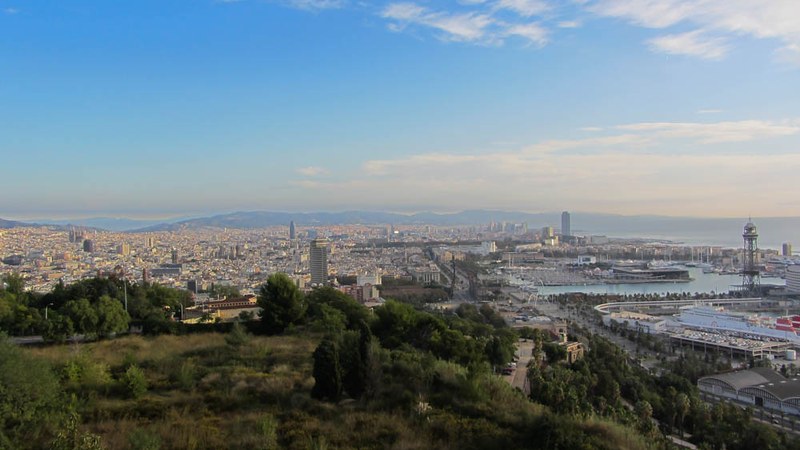
Barcelona’s License Removal to Ease Housing Crisis
Barcelona city authorities announced the removal of all tourist apartment licenses by 2028 to tackle the housing affordability crisis worsening from short-term rental expansions. This policy affects thousands of short-term rental units, prioritizing residential housing over tourism revenue. Similar concerns about housing costs and infrastructure strain are raised by residents in Mallorca, Ibiza, and the Canary Islands.
Cruise Tourism Regulation in Santorini
Greece has placed cruise ship passenger disembarkation caps under review on the island of Santorini, which faces congestion
from simultaneous arrivals of multiple large cruise vessels. The Greek Ministry of Tourism manages these caps aiming to safeguard local infrastructure and the region’s small-scale economy by coordinating cruise arrivals to prevent overwhelming roads and public spaces.
Venice Implements Entry Fee to Control Day Visitors
The Comune di Venezia introduced an entry fee for certain day visitors during peak periods starting 2026. Intended to limit spontaneous day-trip arrivals rather than generate revenue, the fee acts as a crowd-control tool to protect the city’s historic infrastructure and fragile canal ecosystems beneath rising visitor pressure.
Bali’s Tourist Levy for Cultural and Environmental Protection
Bali’s Tourism Board has charged international visitors a tourist levy since February 2024, directing funds
toward cultural preservation and environmental protection efforts. Future plans include implementing carrying capacity limits within ecologically sensitive temple and beach sites to complement the levy and regulate visitor volume.
Machu Picchu’s Visitor Limits and Timed Entries
Peru enforces detailed visitor caps, mandatory advance reservations, timed entry windows, and defined visitor circuits at Machu Picchu. These protocols, managed by the Peruvian Ministry of Culture, reduce archaeological degradation and maintain the Inca site’s integrity by controlling daily visitation and visitor flow.
Additional International Measures for Sustainable Tourism
Iceland applies infrastructure charges to fund environmental protections in its glacial regions. France promotes the regional distribution of tourists to decrease overcrowding near the Louvre museum in Paris.
Amsterdam enforces short-term rental restrictions, limiting rental periods annually and planning to restrain pressure from river cruises.
Impacts on Travelers and Global Tourism Governance Shift
These visitor limit and fee policies require travelers to plan visits in advance, contend with new entry and tourist levies, and comply with access restrictions such as timed entries and designated routes. While increasing travel costs, they reduce spontaneous visits, shorten queues, and help preserve destination quality. The World Tourism Organization (UNWTO) has officially endorsed carrying capacity frameworks as best practices for heritage site management. The coordinated adoption of these policies by nine countries marks a structural shift in global tourism governance, balancing
economic benefits with the sustainability of cultural and natural assets.