Nigeria’s domestic aviation sector aims to implement a new biometric passenger verification system called vPASS, linked to the National Identification Number (NIN), by December 31, 2026, the Federal Government has ordered. The system was launched at Murtala Muhammed Airport Domestic Terminal in Lagos on November 16, 2026. Aviation Minister Festus Keyamo mandated all scheduled domestic airlines to integrate vPASS by January 1, 2027, warning that carriers failing to comply could be barred from boarding passengers.
Concerns Over System Readiness and Security
Industry leaders have expressed alarm over the rapid rollout, citing potential technical malfunctions, cyber vulnerabilities, and passenger unpreparedness that could cause chaos during the yuletide
travel peak. Gbenga Onitilo, principal managing partner of Aeronexus Partners, criticized the compressed timeline, noting that it conflicts with international biometric deployment best practices. Onitilo stressed, “My concern is not the technology. It is the sequencing.” He advocated for a phased approach instead of deadline-driven readiness.
Passenger Registration and Initial Implementation
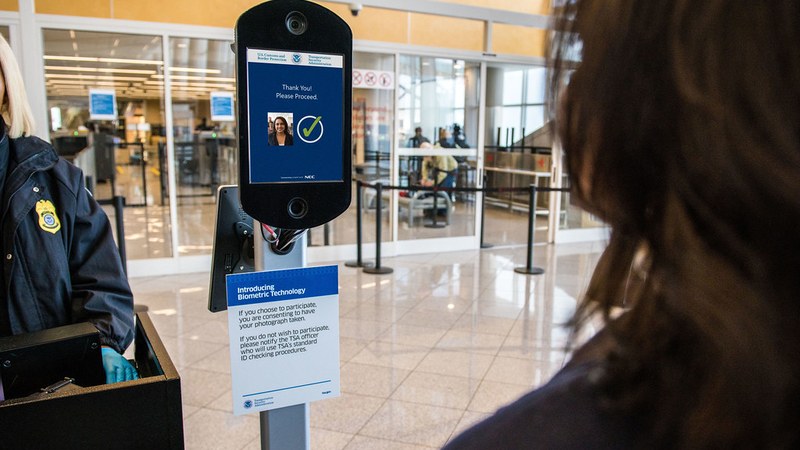
vPASS initially covers domestic terminals in Lagos and Abuja, with nationwide expansion planned. Passengers must register through the vPASS mobile application or self-service kiosks using their NIN and date of birth. Foreign travelers without NIN can enroll using international passports. The system replaces manual identity checks at check-in and boarding by using facial recognition
linked to the NIN database.
Cybersecurity Risks and Calls for Pilot Testing
Alex Nwuba, president of the Aircraft Owners and Pilots Association of Nigeria (AOPAN), warned that linking facial recognition to the NIN database does not guarantee secure identity verification. He identified risks such as deepfakes, video replay attacks, compromised NIN records, and potential insider manipulation. Nwuba emphasized, “We must not confuse the ability to recognise a face with the ability to guarantee an identity. That is where the real security challenge lies.” Both Nwuba and Onitilo urged for a 90-day voluntary pilot phase starting December 2026, with vPASS operating alongside traditional checks to build public trust
and improve operational readiness.
Potential Disruptions During the Festive Period
Seyi Adewale, CEO of Mainstream Cargo Limited, expects initial resistance from passengers and airlines during the holiday rush due to unfamiliar registration procedures and new security measures. He noted that the system could slow passenger processing and create bottlenecks in Lagos and Abuja domestic terminals during the Christmas travel surge. Adewale stated, “Like any new initiative, especially by the government, I expect tacit resistance both from the passengers and the airlines to test the government’s resolve.” Passenger onboarding might improve with wider adoption over time, enhancing security and processing efficiency.
International Lessons and Official Directives
Onitilo compared Nigeria’s approach with international
biometric systems such as India’s DigiYatra, the European Union’s Entry/Exit System, and Kenya’s Huduma Namba identity program, highlighting the importance of readiness-driven deadlines and phased rollouts. The Federal Airports Authority of Nigeria (FAAN) clarified that Nigerian citizens abroad and foreign travelers without NIN can use international passports for enrollment. Minister Festus Keyamo’s January 1, 2027 deadline obliges all domestic airlines to comply with vPASS integration or face transport bans.