Nigeria’s aviation sector is advancing a biometric passenger verification system dubbed vPASS, with a December 31, 2026 deadline for full integration by domestic airlines ahead of a January 1, 2027 enforcement date. The directive, issued by the Ministry of Aviation, states that airlines failing to comply may be barred from boarding passengers.
vPASS Operational Rollout at Lagos and Abuja
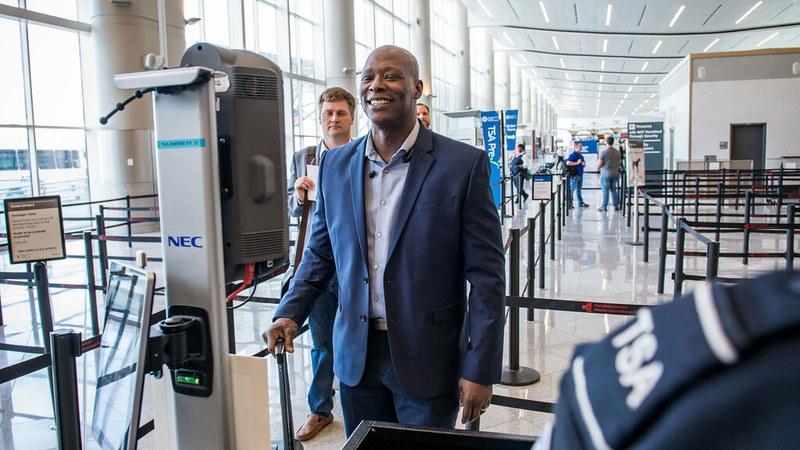
The vPASS system, developed and unveiled by the Federal Airports Authority of Nigeria (FAAN) on November 16, 2026, at the Murtala Muhammed Airport Domestic Terminal in Lagos, uses facial recognition linked to the National Identification Number (NIN) database. Initial deployment targets domestic terminals in Lagos and Abuja, with
plans for nationwide expansion.
Passengers traveling domestically within Nigeria must register their biometric data through a mobile application or airport kiosks using their NIN and date of birth. Foreign domestic travelers can enroll via their international passports, including Nigerians residing abroad without a NIN.
Industry Concerns Over Compressed Implementation Timeline
Industry leaders have expressed concerns about the rushed rollout schedule and the system’s readiness. Gbenga Onitilo, principal managing partner at Aeronexus Partners, cautioned that sequencing problems threaten successful adoption, saying, “My concern is not the technology. It is the sequencing. The lesson is simple. Countries that succeeded let readiness set the deadline. The ones that struggled
let the deadline drive readiness.” He urged authorities to initiate a 90-day voluntary pilot starting December 2026 at Lagos and Abuja to operate vPASS alongside conventional manual verification.
Seyi Adewale, CEO of Mainstream Cargo Limited, noted anticipated resistance from passengers and airlines testing compliance during the festive season. He warned the new system might initially slow passenger processing, potentially disrupting holiday travel.
International Comparisons and Security Vulnerabilities
Onitilo compared Nigeria’s vPASS deployment to international biometric systems such as India’s DigiYatra program, which started trials in 2017 and expanded gradually to 28 airports with voluntary participation, and the European Union’s phased Entry/Exit System rollout. He highlighted
risks from Kenya’s Huduma Namba initiative, which faced legal obstacles and data privacy concerns.
Alex Nwuba, president of the Aircraft Owners and Pilots Association of Nigeria (AOPAN), emphasized that integrating facial recognition with the NIN database does not guarantee system security. He identified vulnerabilities including deepfakes, biometric spoofing using masks, compromised NIN records, attacks on data transmission channels, unauthorized database access, and insider threats.
Projected Traveler Impact During Yuletide Season
The introduction of vPASS during the busy Christmas travel period is expected to cause processing delays and increased congestion at the Lagos and Abuja domestic terminals. Authorities warn that unresolved technical problems and cyber risks may
disrupt passenger flow and extend wait times, particularly as many travelers enroll for the first time.
Manual verification procedures will remain available for children, elderly passengers, cases of biometric mismatch, and those with invalid or damaged NIN records, adding layers of complexity to the identity verification process.
Official Statements and Expert Recommendations
Festus Keyamo, Minister of Aviation and Aerospace Development, issued a mandate requiring all scheduled domestic airlines to incorporate vPASS before January 1, 2027, threatening to prevent boarding for non-compliant carriers. The Federal Government stated the biometric platform aims to reduce ticket racketeering, identity fraud, and terminal touting.
To ensure a smooth transition, Onitilo
called for published performance metrics such as enrollment statistics and biometric match failure rates. He emphasized training for aviation security personnel, airline agents, ground handlers, and travel agents to assist passengers with registration prior to airport arrival. He added, “Done this way, vPASS earns public trust instead of demanding it. Nigerians will adopt it gladly if it makes their journey easier. Our job is to make sure the first experience is a good one. Prayers are good. A well-run pilot is even better.”