Close to 1,000 flights were cancelled on July 28, 2026 at John F. Kennedy International Airport, LaGuardia Airport, and Newark Liberty International Airport as severe thunderstorms brought heavy rain and flash flooding to New York City and surrounding regions.
The National Weather Service issued a Flood Watch covering New York City, Long Island, the Hudson Valley, parts of Connecticut, northern New Jersey, and eastern Pennsylvania. Many areas were forecast to receive between 2 and 5 inches of rain, with isolated downpours of 2 to 3 inches per hour. The Catskills region faced the prospect of 6 to 8 inches of
rainfall within a few hours. The US Weather Prediction Center designated a moderate risk of excessive rainfall in New York City, Long Island, and the Mid-Hudson region due to slow-moving thunderstorms.
Flight Disruptions at New York Airports
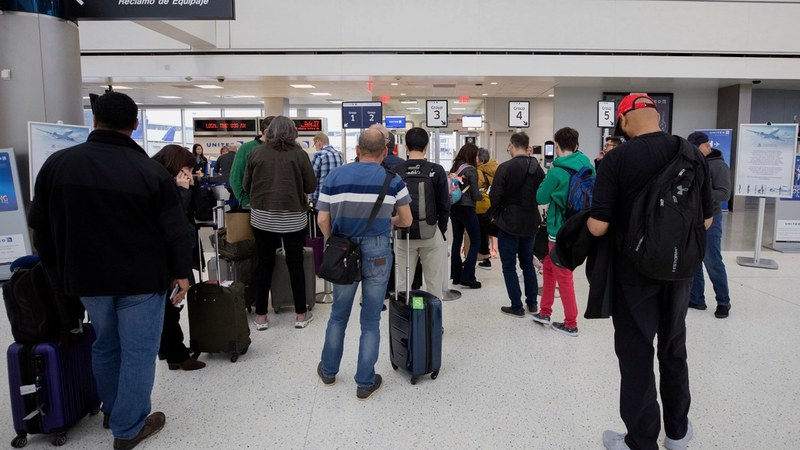
The severe weather caused major disruptions to air travel in the New York metropolitan area. Almost 1,000 departures were cancelled across JFK, LaGuardia, and Newark airports on July 28, 2026. These cancellations affected multiple airlines and routes as airport operations were severely impacted. Officials warned of potential additional cancellations and delays as the storm system continued to move through the region.
The New York City Emergency Management Department advised
travelers to allow extra time for trips and to avoid driving on flooded roads. Flooding posed a risk to streets, underpasses, and low-lying neighborhoods, complicating ground transportation connections to the airports.
Official Statements and Travel Advisories
New York Governor Kathy Hochul described the event as a “prolonged rain event beginning Tuesday that will bring heavy rains and cause flash flooding.” She urged residents to stay alert with weather updates and cautioned, “When in doubt, turn around, don’t drown.”
Mayor Zohran Mamdani also encouraged preparation for hazardous weather conditions, highlighting the risk of flash flooding even from brief intense rainfall episodes. The New York City Emergency
Management Department reiterated the need for extra travel time and avoidance of flooded roadways amid the ongoing storm.
Storm Background and Regional Sensitivities
The storm system responsible for the New York area impacts was the same one that swept across the Midwest earlier that week, causing tornadoes, damaging winds, large hail, power outages, and flight disruptions. New York remains sensitive to such heavy rain events following deadly flooding caused by Hurricane Ida remnants in 2021.
Authorities stressed vigilance as the storm dumps significant rainfall, and the risk of rapid flash flooding continues through early Wednesday morning in New York City and wider Northeast United States.