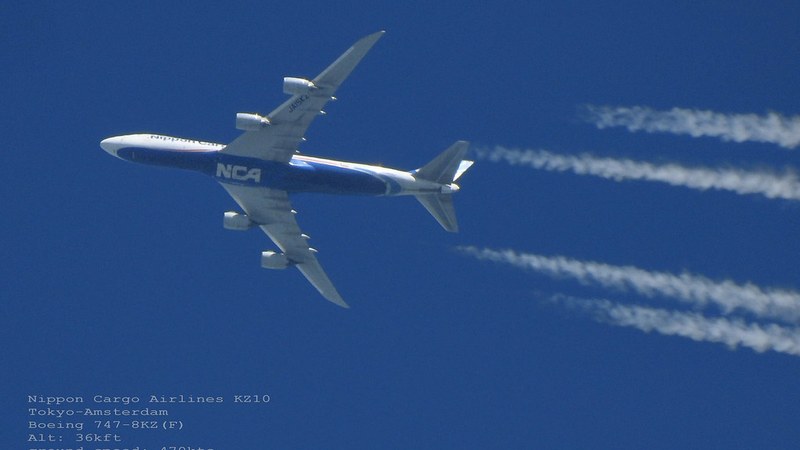
A software failure at National Air Traffic Services (NATS) earlier in September 2026 grounded thousands of flights across UK airports, severely disrupting air traffic control operations nationwide.
Civil Aviation Authority Launches Independent Review
The UK Civil Aviation Authority (CAA) announced on September 25, 2026, it will conduct an independent review into the software failure. The review will analyze the causes, assess consumer impacts, and determine necessary actions. NATS welcomed the inquiry and pledged full cooperation. The CAA will scrutinize NATS’s plans to modernize and replace critical operational systems and verify implementation of prior recommendations. An initial report will be submitted to UK Transport Secretary Heidi Alexander
by the end of January 2027, with the final report due by March 8, 2027.
Widespread Flight Cancellations Affect Hundreds of Thousands
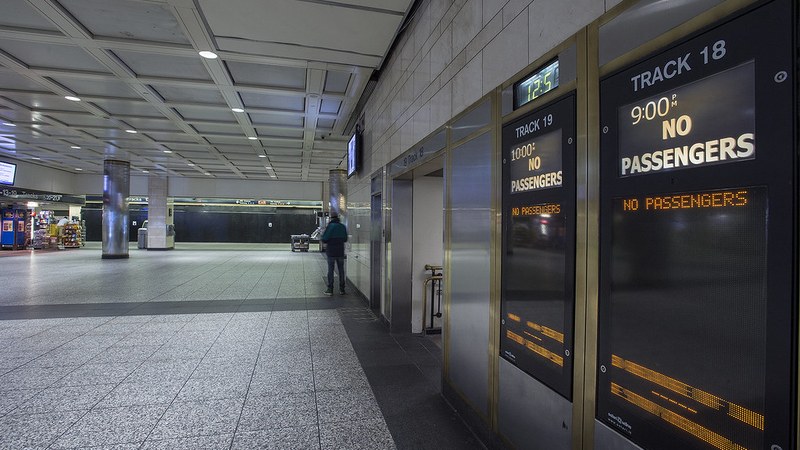
The failure led to cancellations and delays affecting multiple European airlines operating from UK airports. Hundreds of thousands of passengers were stranded as numerous flights were grounded. Ryanair and other carriers reported widespread disruptions caused by the NATS system failure, impacting routes across the region.
Official Statements and Industry Reactions
UK Transport Secretary Heidi Alexander said, “In recent weeks, passengers and airlines have been let down too many times, and I’m determined to get to the bottom of why,” signaling demand for answers and action. Ryanair has called repeatedly for
the resignation of NATS CEO Martin Rolfe following the incident.
This is the second major system failure involving National Air Traffic Services within three years. The CAA’s review will incorporate lessons from international best practices and intensify scrutiny of NATS operational reliability.