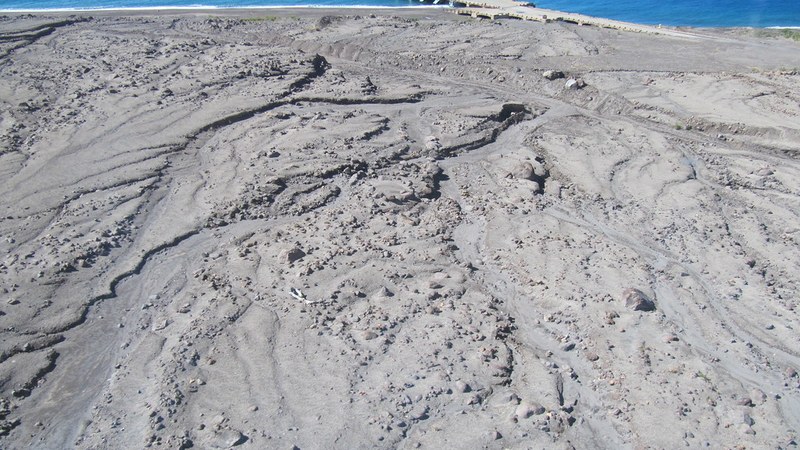
Mount Etna erupted anew on August 11, 2026, releasing large clouds of volcanic ash and gas over eastern Sicily that raised significant aviation safety concerns. The ash cloud disrupted air travel by threatening jet engine integrity due to the ash’s sharp glass particles, prompting Italy’s volcanic monitoring authorities to maintain the highest aviation alert level.
Flight Cancellations and Delays at Catania and Across Europe
Catania-Fontanarossa Airport (CTA), located in eastern Sicily, bore the brunt of the disruption with 98 flight cancellations and 23 delays recorded on August 11, 2026. These cancellations represented about 43% of the continent-wide total of 229 cancellations reported that day. Across Europe, flights delayed reached
2,204, confirming the widespread impact of Mount Etna’s renewed activity.
Impacted European Airports and Regional Airspace
Other European airports also faced significant delays, with Barcelona-El Prat Airport (BCN) registering the highest delay count of 282 flights, followed by Rome Fiumicino Airport (FCO) with 219 delays on the same date. The volcanic ash cloud extended beyond Sicily, affecting airspace near Malta, indicating the eruption’s broad regional ramifications for southern European aviation.
Cause of Disruption and Aviation Safety Measures
The volcanic ash from Mount Etna contains fine glass particles that pose severe risks to aircraft engines and flight safety. Italian volcanic monitoring authorities responded by sustaining the top-level aviation alert to ensure operational caution. The
situation was exacerbated by heavy hub congestion, compounding delays and cancellations, particularly impacting low-cost carriers that operate frequent routes across European networks.
Traveler Impact and Alternatives
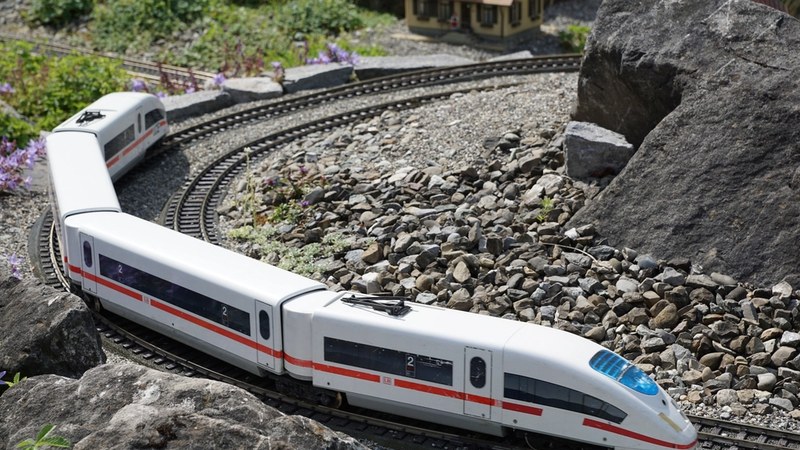
Passengers at Catania-Fontanarossa faced major schedule interruptions with nearly 100 cancelled flights and additional delays. Travelers affected by the disruptions are advised to contact airlines directly via official apps or customer support to arrange rebooking. In Italy, high-speed rail lines offer a dependable alternative to air travel amid ongoing volcanic ash-related interruptions. Passengers should carry essential medications, chargers, and travel documents with them and maintain hydration to manage extended delays.
The eruption and resulting air traffic disruption demonstrate
the vulnerability of European aviation to natural hazards. Coordination between geological, meteorological, and civil aviation authorities remains critical. Investments in real-time volcanic ash cloud tracking and adaptable flight-routing aim to limit airspace closures and reduce travel disruption in future events.