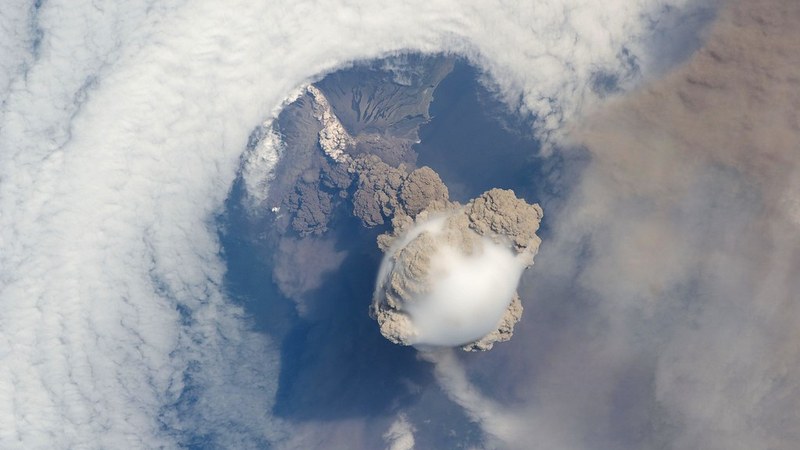
Mount Etna erupted on August 11, 2026, producing volcanic ash clouds that severely disrupted air traffic at Catania-Fontanarossa Airport (CTA) in eastern Sicily. The eruption forced 98 flight cancellations at Catania, the primary airport affected by the event.
Flight cancellations and delays in Sicily and Europe
On August 11, a total of 229 flight cancellations and 2,204 delays were recorded across Europe amid volcanic ash airspace restrictions, according to FlightAware data at 1:27 PM ET (5:27 PM GMT). Cancellations at Catania alone constituted approximately 43% of the total European cancellations that day. In addition to 98 cancellations, Catania experienced 23 flight delays.
Volcanic ash hazard and aviation alert level
The Italian volcanic monitoring authorities maintained
the highest aviation alert level for safety due to Mount Etna’s ash clouds containing glass particles dangerous to jet engines. Suspension of flights and airspace restrictions around eastern Sicily resulted from concerns over the risk of engine damage caused by the ash.
Delays at other European airports
Volcanic ash from Mount Etna extended its impact beyond Sicily, affecting airspace near Malta and causing delays at major European hubs. Barcelona-El Prat Airport (BCN) experienced 282 flight delays, the highest number among reported European airports, while Rome Fiumicino Airport (FCO) recorded 219 delays. These delays were linked to airspace restrictions and the cascading effects of disruptions in
affected regions.
Passenger impact and travel advice
The eruption-generated cancellations and delays disrupted airline operations, especially for carriers with high-frequency routes. Passengers faced grounded flights and longer waits at Catania and other airports. Travelers in Italy were advised to consider alternative ground transit, such as high-speed rail, to bypass affected air routes. Airlines generally recommended contacting customer service channels for rebooking.
European aviation and natural hazard response
The Mount Etna eruption highlights European aviation’s vulnerability to natural hazards like volcanic ash clouds. Coordination between geological monitoring agencies, meteorological services, and civil aviation authorities is critical to managing flight safety and airspace access during such events. Investment in real-time ash cloud tracking
and adaptable flight routing aims to limit airspace closures and minimize delays in future occurrences.
Regional air travel disruption summary
The volcanic activity at Mount Etna on August 11, 2026, caused significant flight cancellations and delays. Ninety-eight cancellations at Catania-Fontanarossa Airport represented nearly half of Europe’s total that day, with disruptions also spreading to airports in Spain, Italy, and Malta. The ongoing eruption maintained the highest aviation alert level and forced broad regional airspace restrictions, challenging airlines and passengers throughout eastern Sicily and Europe.