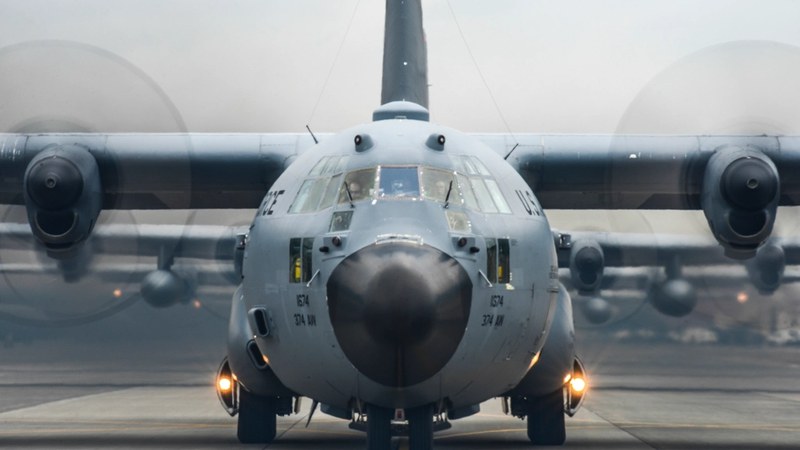
More than 2,000 flights were cancelled across the United Kingdom on Tuesday, September 8, 2026, after a single military flight plan triggered a shutdown of NATS’ flight-processing system. The outage affected at least 15 airports nationwide, including major hubs Heathrow, Gatwick, and Manchester, disrupting travel for hundreds of thousands of passengers across Britain.
Technical Failure at NATS Revealed for Lack of Backup
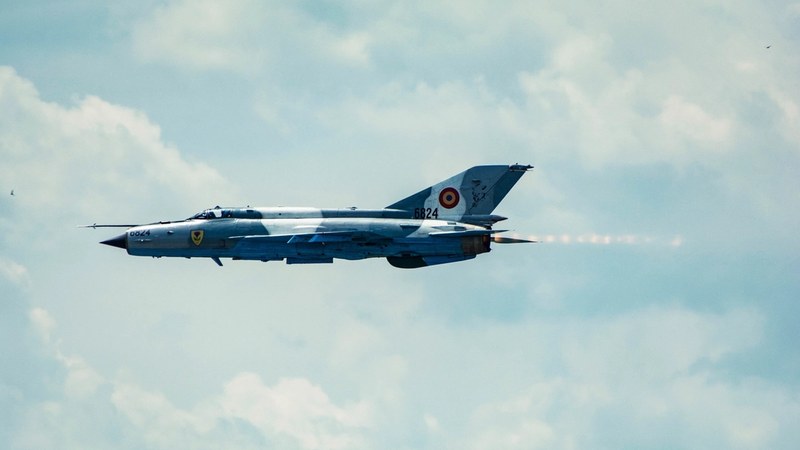
The air traffic control disruption began when NATS’ flight-processing system shut down for about four hours due to problematic data submitted by a UK military aircraft’s flight plan. NATS operations officer Kathryn Leahy confirmed the system lacked a dedicated backup for this critical flight-processing function. While NATS
is undergoing a major overhaul of its systems to improve resilience, the volume of data to be handled makes replicating the system costly and complex.
Attempts to restart the system took several hours and multiple efforts, causing a backlog as aircraft and crew were stranded in incorrect locations. This led to ongoing cancellations and delays even after the technical issue was resolved.
Official Responses and Investigations Underway
The Ministry of Defence denied any error by the military regarding the flight plan, stating the matter is part of NATS’ active investigation. A Ministry of Defence spokesperson said there was no indication of military fault and declined
further comment while the inquiry continues.
NATS Chief Executive Martin Rolfe described the outage as unprecedented in 50 years of operation and ruled out any cyberattack as a cause. Rolfe stated he “believes we’ve never seen an incident happen more than once, so this will be something different.”
Following the outage, UK Transport Secretary Heidi Alexander summoned Rolfe and demanded a detailed explanation, instructing NATS to submit a full report on the incident within one week. The Civil Aviation Authority (CAA) is conducting an independent review, examining the causes and assessing NATS’ system resilience. The CAA anticipates the disruption qualifies
as an extraordinary circumstance under passenger rights regulations, making compensation unlikely.
Passenger and Airline Disruption Across UK Airports
The outage led to cancellations of over 2,000 flights and delays affecting at least 15 airports including London’s Heathrow and Gatwick, and Manchester Airport. Several flights inbound to the UK diverted to airports abroad. Passengers experienced extended delays, with some aircraft remaining on the ground for hours awaiting updates. The post-incident backlog impacted crew and aircraft positioning, continuing disruption even after NATS restored operations.
Airlines struggled to realign crews and fleets to correct positions, contributing to a second wave of disruptions. Due to the classification of this event as
an extraordinary circumstance, passengers affected will likely not receive standard compensation for the cancellations and delays.
Industry Criticism and Calls for Reform
Ryanair and Wizz Air have called for major changes at NATS following multiple technical failures in 2026. Ryanair CEO Michael O’Leary sharply criticized NATS leadership and Martin Rolfe’s management, calling his position untenable and rejecting further investigations. O’Leary said, “We don’t need more investigations, we don’t need more reports, and we don’t need another parliamentary committee hearing where Martin Rolfe will promise change, will promise resilience and will promise an effective backup system.”
Repeated failures, including a major NATS outage in August 2023 that
affected around 700,000 travelers and prompted 34 recommendations from the CAA, have intensified scrutiny of the UK’s air traffic control infrastructure. NATS has claimed full implementation of the prior recommendations, but the recurrence of incidents has raised concerns about the system’s robustness.
The political and operational fallout continues as NATS investigates how a military flight plan could cause such extensive disruption, why no dedicated backup system exists, and whether previous measures were sufficient.