More than 2,000 flights were cancelled on Tuesday, September 8, 2026, after the NATS air traffic control flight-processing system shut down for nearly four hours, halting operations across the United Kingdom.
Widespread Impact Across Major UK Airports
The outage affected at least 15 airports nationwide, including Heathrow, Gatwick, Manchester, Luton, and Glasgow. Hundreds of thousands of passengers faced delays, cancellations, and diversions, with some flights rerouted to airports outside the UK. Airlines struggled to reposition aircraft and crews left out of place due to the disruption, resulting in further cancellations and delays even after the system was restored.
Cause Traced to Military Flight Data and System Backup Deficiency
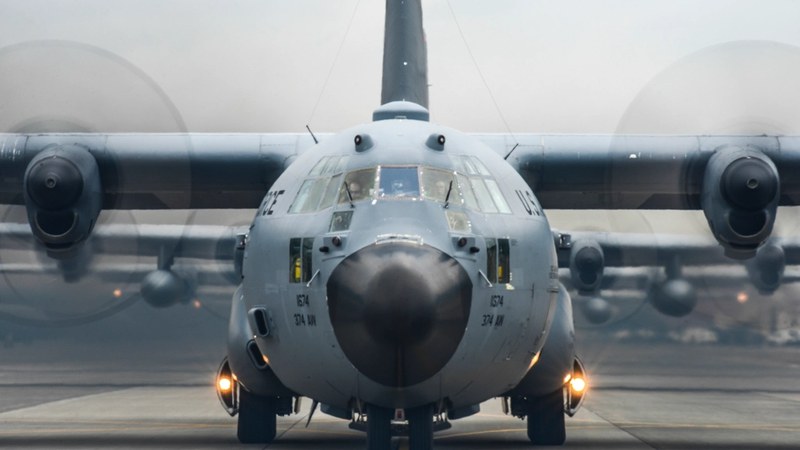
The failure originated from a single UK military
aircraft submitting spurious flight data, which triggered a chain reaction causing the NATS flight-processing system shutdown. NATS lacked a dedicated backup for the affected system component, significantly prolonging recovery efforts and expanding the disruption across the entire aviation network.
Official Responses and Calls for Accountability
The Ministry of Defence denied any error on the part of the military, stating the issue remains under ongoing investigation by NATS. Transport Secretary Heidi Alexander demanded a report from NATS within a week and has ordered an independent review by the Civil Aviation Authority (CAA), asserting she “does not believe the issue was unavoidable.”
Airline Criticism and Demand for System Reforms
Ryanair CEO Michael O’Leary sharply criticized
NATS CEO Martin Rolfe and management, calling for major changes. O’Leary stated, “We don’t need more investigations, we don’t need more reports, and we don’t need another parliamentary committee hearing where Martin Rolfe will promise change, will promise resilience and will promise an effective backup system.” Both Ryanair and Wizz Air have urged significant reforms following the disruption.
Previous Outages Raise Concerns Over NATS Infrastructure
This incident follows two major prior failures by NATS in recent years: an August 2023 outage that affected approximately 700,000 passengers and a 2025 disruption causing around 150 flight cancellations. The CAA issued 34 recommendations after the 2023 failure, which NATS says
it fully implemented. Nonetheless, recurring system faults have prompted questions about the resilience of the UK’s air traffic control infrastructure.
Passenger Impact and Compensation
More than 2,000 flights were cancelled during the outage, causing widespread passenger delays and stranding hundreds of thousands in airports. The CAA has indicated that the disruption will likely be classified as an “extraordinary circumstance,” making passengers unlikely to receive standard financial compensation for delays or cancellations caused directly by the NATS system failure.
Ongoing Investigations and Future Challenges
NATS is conducting a live internal investigation alongside an independent review by the Civil Aviation Authority. The key questions include how a single military flight plan
could precipitate such a network-wide shutdown and why the system lacked an effective backup. NATS CEO Martin Rolfe described the incident as unprecedented in 50 years of operation, emphasizing its uniqueness and complexity.