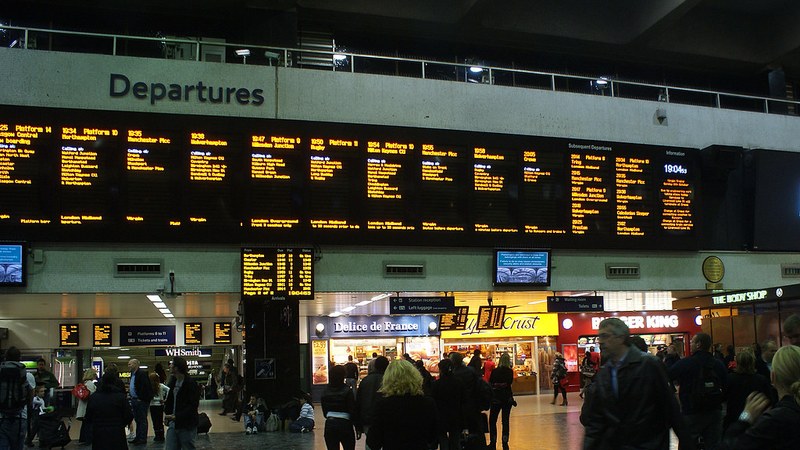
More than 2,000 flights were cancelled across the United Kingdom on Tuesday, 8 September 2026, following a shutdown of the National Air Traffic Services (NATS) flight-processing system that lasted around four hours.
The outage was reportedly initiated by a flight plan submitted by a UK military aircraft that contained spurious data. This caused a chain reaction of technical failures leading to the failure and shutdown of the NATS flight-processing system.
The disruption affected at least 15 UK airports including Heathrow, Gatwick, and Manchester. Hundreds of thousands of passengers experienced delays, cancellations, and diversions, with some flights diverted to airports outside
the UK and many aircraft and crews left stranded in incorrect locations after restoration of the system.
Official responses and criticisms
NATS chief executive Martin Rolfe said he took full responsibility for the outage, ruling out cyberattack as the cause and describing the incident as unprecedented in his 50 years of experience. Rolfe stated, “I believe we’ve never seen an incident happen more than once, so this will be something different that we’ve never seen in 50 years of operation.” The Ministry of Defence denied any military error and declined further comment pending the ongoing investigation.
UK Transport Secretary Heidi Alexander summoned Rolfe for
a meeting and demanded answers, stating she did not consider the outage unavoidable. She gave NATS one week to report on the outage’s cause. Ryanair CEO Michael O’Leary vocally criticized NATS leadership, demanding accountability and dismissing further investigations and reports as insufficient.
System resilience and previous incidents
The outage exposed a critical weakness in NATS’ infrastructure: the flight-processing system lacked a dedicated backup. According to reports, this deficiency meant that restoring the system took hours and several attempts. The absence of a backup magnified the impact beyond a single airport, causing disruption across the entire UK aviation network.
This event follows a major air traffic
control failure in August 2023, which affected approximately 700,000 passengers and prompted the Civil Aviation Authority to issue 34 recommendations to improve system resilience. NATS has stated that all recommendations were implemented, but today’s failure raises questions about the sufficiency of those measures.
Ongoing investigations and ramifications
Both NATS and the Civil Aviation Authority are conducting investigations. The CAA is carrying out an independent review of the system’s resilience and response. The UK government has placed political pressure on NATS to provide a detailed explanation of how a single military flight plan could cause such extensive failure and why the system lacked adequate backup.
Impact on passengers and airlines
The system outage grounded over 2,000 flights, disrupting hundreds of thousands of passengers throughout the UK’s top airports. Many aircraft were immobilized on the ground for extended periods, and some inbound flights had to divert to alternative airports abroad. The disruption created logistical challenges for airlines, including repositioning crews and aircraft after service restoration.
Passengers affected by cancellations and delays due to this incident are unlikely to receive financial compensation because the Civil Aviation Authority expects the disruption to qualify as an “extraordinary circumstance” under passenger rights regulations. Airlines are still obligated to provide care to stranded passengers.