Flight Operations Disrupted Across Key Middle East Hubs
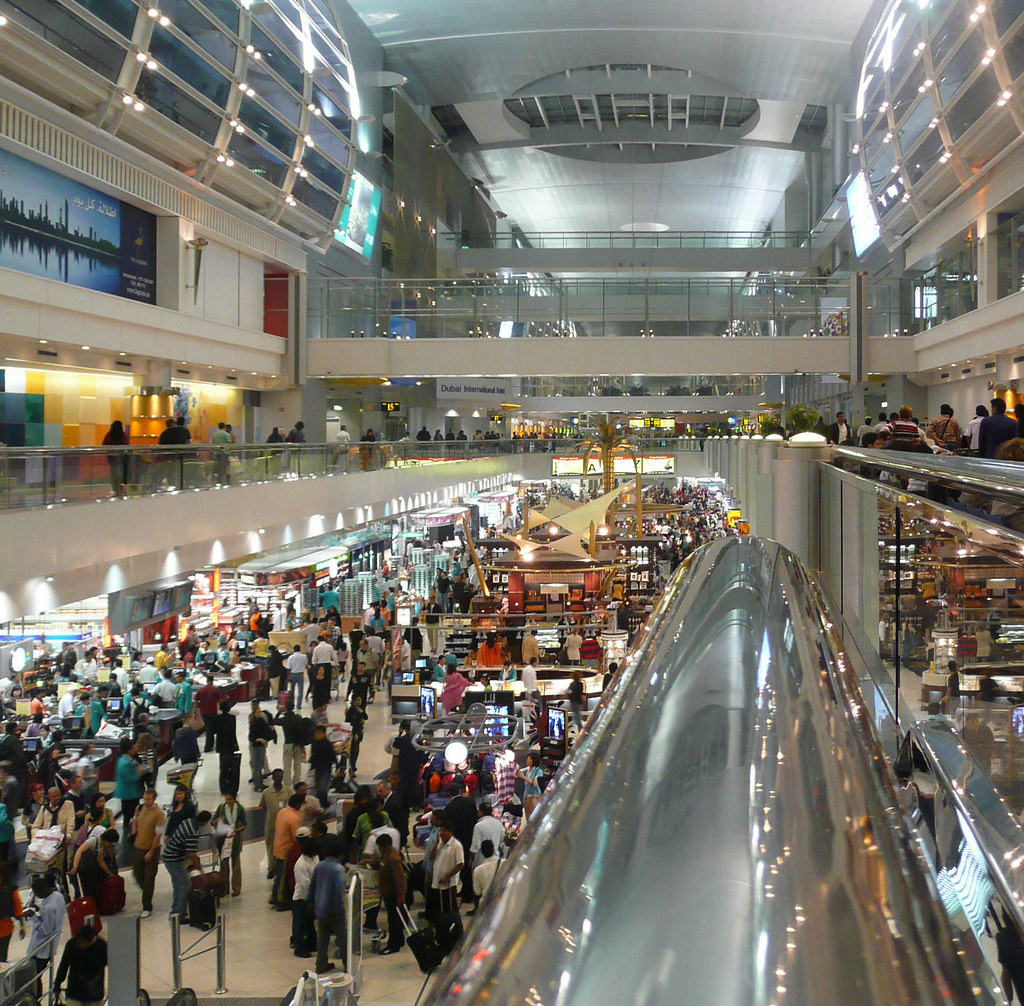
The intensifying geopolitical tensions in the Middle East have led to a notable surge in flight cancellations and delays at several major regional airports. Airlines serving destinations including Kuwait, the United Arab Emirates, Jordan, and Turkey are experiencing operational challenges that are contributing to uneven flight schedules throughout 2026.
Air carriers are adapting by implementing route adjustments and in some cases suspending certain services temporarily as the situation evolves. This has prompted growing uncertainty among U.S. and international travelers who plan to visit popular sites within the Eastern Mediterranean and broader Middle East region.
Strait of Hormuz Crisis Heightens Fuel Supply and Cost Concerns
The ongoing crisis surrounding the Strait
of Hormuz—a critical maritime chokepoint for global energy shipments—has directly impacted aviation fuel logistics. Increased risks along this narrow waterway contribute to volatility in fuel supply chains, subsequently affecting airline operating costs and ticket prices.
This amplified risk environment influences not only flight availability but also pricing structures, potentially resulting in elevated fares for travelers flying to and from the affected regions. The strategic significance of the Strait continues to place the aviation sector under additional pressure amid the geopolitical uncertainty.
Regional Travel Advisories Alter Booking and Travel Plans
Governments within the affected Middle Eastern territories have issued updated travel advisories as the security landscape shifts. These advisories
serve to alert travelers and tour operators to evolving risks and may recommend reconsidering or postponing non-essential travel to certain areas.
For U.S. tourists, the State Department and other official bodies have reinforced guidance that impacts itinerary planning. This includes heightened scrutiny at security checkpoints, as well as the potential for sudden changes to entry requirements or transit permissions within the region.
Implications for U.S. and Global Travelers
International visitors, particularly from the United States, should prepare for increased disruption risks when traveling to the Middle East in 2026. This includes the possibility of delayed or canceled flights, more rigorous security screening processes, and fluctuating travel
advisories that may alter destination accessibility on short notice.
Travelers are advised to monitor official airline communications and government advisories closely while maintaining flexible travel arrangements. Early planning and contingency options will help mitigate some of the impact caused by these regional tensions and logistics challenges.
Analytical Perspective: Broader Impact on Tourism and Connectivity
The compounding effect of the Middle East conflict and instability around the Strait of Hormuz has far-reaching consequences beyond immediate travel disruptions. Tourism-dependent economies in affected countries may experience downturns as visitor confidence diminishes amid ongoing uncertainty.
Airline networks that rely on Middle Eastern hubs for connecting flights could face extended ripple effects, potentially
prompting shifts in global routing strategies. This dynamic may accelerate the search for alternative transit corridors and influence long-term airline partnerships and alliances.
In this complex environment, the travel industry’s ability to adapt quickly to geopolitical developments will be essential in sustaining tourism flows and ensuring passenger safety in a volatile region.