Middle East Conflict Sparks Tourism Disruption Across the Mediterranean
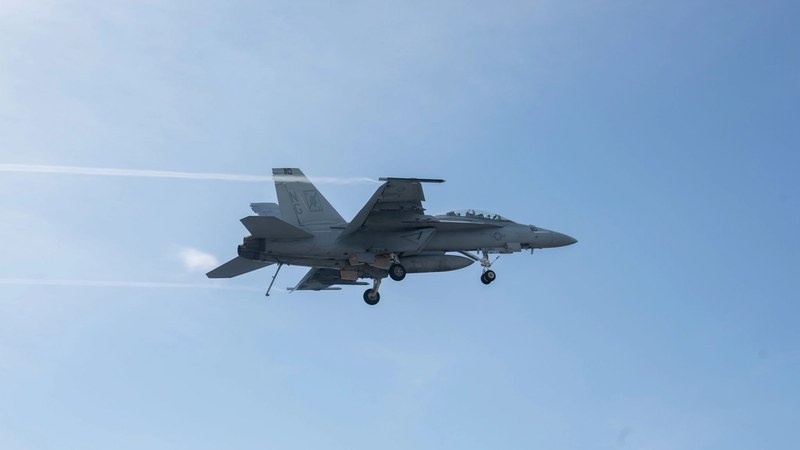
The unfolding regional conflict in the Middle East throughout 2026 has significantly unsettled the tourism landscape, with ripple effects now notably impacting Mediterranean destinations. Countries that have historically attracted a steady influx of international visitors are experiencing a sharp decline. Cyprus, in particular, is witnessing a pronounced collapse in tourism flows amid widespread war fears.
This downturn in tourism is sending shockwaves through European travel markets. The uncertainty generated by the conflict has triggered booking freezes and a wave of cancellations, especially for Mediterranean locales often perceived as safe and attractive sun and sea destinations. The broader implications are profound,
disrupting an entire regional ecosystem that relies heavily on international tourism revenue.
European Travel Confidence Tested, Mediterranean Vacation Impact Evident
European tourism operators and holidaymakers alike are experiencing a loss of confidence as geopolitical tensions persist. This sentiment shift is particularly impactful in regions bordering the Mediterranean, where tourism convenience typically benefits from relatively stable conditions. Now, the proximity to heightened conflict zones contributes to a climate of caution casting shadows over the travel season.
The Mediterranean vacation segment, a longstanding favorite for its combination of cultural heritage, scenic coastlines, and warm climate, feels the strain. Market sources report a considerable slowdown in new bookings alongside an increase
in cancellations. This hesitation is partly fueled by travelers’ apprehensions surrounding regional security and the unpredictability of the conflict’s trajectory.
What U.S. Travelers Need to Consider Amid Ongoing Uncertainty
American travelers planning trips to Mediterranean destinations are among those most affected by these disruptions. U.S. holidaymakers are confronting an environment where traditional travel assurances are less certain, encouraging a cautious approach in trip planning. Many are postponing or rethinking their Mediterranean itineraries until more stability returns.
Given the circumstances, travelers from the U.S. should closely monitor updates from official sources and travel advisories that reflect the evolving situation. It is advisable to maintain flexible booking options and verify cancellation
policies with airlines, hotels, and tour providers. Additionally, travelers should prepare for potential disruptions around transit hubs serving Mediterranean gateways.
Industry Outlook and Traveler Guidance
The tourism industry around the Mediterranean is navigating uncharted territory, balancing the hope for a swift resolution to regional tensions with the immediate economic impacts of reduced visitation. Stakeholders emphasize the importance of clear communication and risk management to maintain traveler trust moving forward.
Practically, U.S. travelers are encouraged to remain informed through credible channels and consider alternative destinations or travel dates that avoid potential hotspots. Travel insurance covering unforeseen cancellations and health emergencies is increasingly relevant amid this uncertain
climate. Ultimately, flexibility and vigilance are key to mitigating travel risk during this period marked by geopolitical unrest.
While the situation remains fluid, the broader tourism sector continues to watch for signs of stabilization that could restore confidence and reinvigorate Mediterranean holiday demand.