Middle East Aviation Disruptions Ripple Through Global Air Travel
In 2026, a complex geopolitical situation involving multiple Middle Eastern countries has led to significant disruption across global flight networks. Airlines operating through key airports in the Gulf region, as well as major European transit hubs, have experienced widespread cancellations and rescheduling. This has become particularly consequential for American travelers whose itineraries frequently transit these strategic airline hubs.
Countries such as Oman, Iran, and Israel have been at the center of these issues, alongside ongoing concerns that have affected travel routes to and from the United States.
Flight Cancellations Across Europe and Gulf Airports
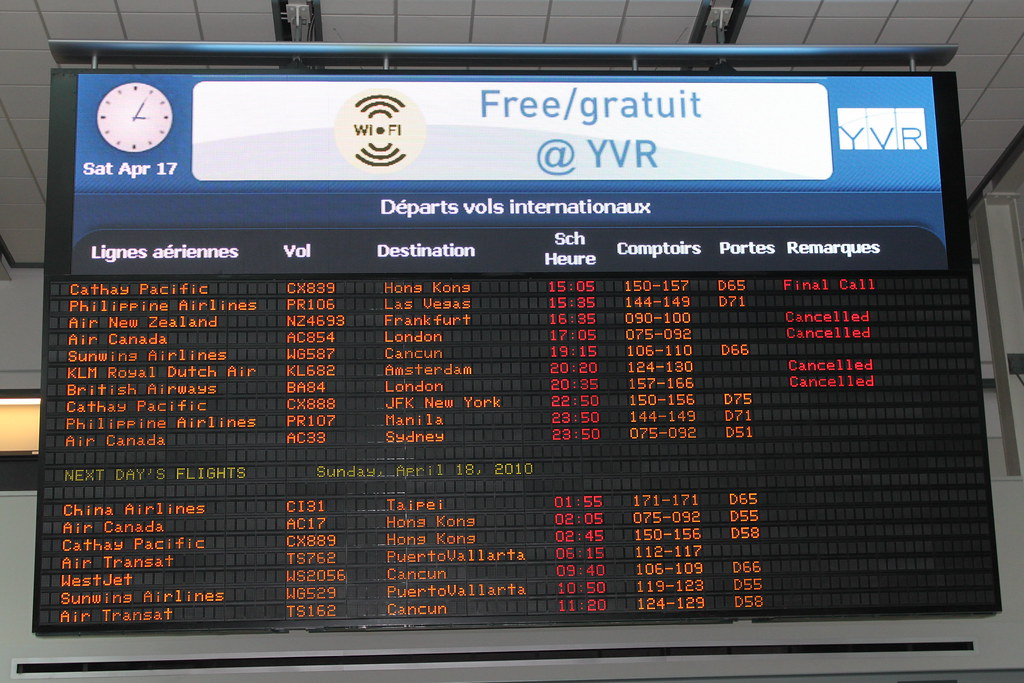
The escalating conflicts and political sensitivities in the Middle East have forced numerous
airlines to suspend or modify their schedules. European airlines that serve as gateways to the United States and the Gulf have reported higher-than-usual cancellation rates. Similarly, carriers based in the Gulf have been compelled to adjust operations, resulting in a cascade of missed connections and altered routes.
The scale of these cancellations extends beyond typical operational challenges, indicating a broader, systemic impact tied to regional instability. Transit airports in Europe and the Gulf—both critical for connecting U.S. travelers to international destinations—are experiencing heavy disruptions, causing ripple effects in global aviation timetables.
Challenges Surrounding International Travel Refunds
Airlines and travel agencies are encountering a surge in
refund requests from passengers affected by these flight changes. The complexity stems from varying policies across carriers and jurisdictions, alongside limited financial liquidity among some smaller operators. Passengers often face protracted wait times and difficulties securing full reimbursement for canceled flights.
These refund complications are especially prominent in European and Gulf regions, where the confluence of international regulations and airline practices creates an unpredictable environment for travelers seeking redress. U.S. travelers may find themselves needing additional guidance navigating this evolving landscape.
American Travelers Face Uncertainty Amid Route Modifications
For U.S. tourists and business travelers, the current situation demands added vigilance. Those planning to fly through Middle Eastern
hubs or European transit points should anticipate possible cancellations and be prepared for alternative routing options. Airlines may offer modified itineraries, but passengers must remain attentive to airline communications to accommodate sudden changes.
Flexibility is paramount, as travelers might encounter extended layovers or unexpected transit points en route to their destinations. Given the refund hurdles, some experts recommend keeping abreast of travel insurance policies that cover such geopolitical disruptions.
Assessing the Broader Impact of Middle East Aviation Disruptions
The unfolding aviation turmoil in the Middle East and its effect on Europe and Gulf hubs underscores the vulnerability of international air travel to regional conflicts. This scenario highlights the interconnectedness
of global aviation markets where disturbances in one area can substantially impact travel flows thousands of miles away.
For U.S. travelers, the impact extends beyond inconvenience, potentially affecting business engagements and vacation plans in multiple regions. Airlines and industry stakeholders are challenged to enhance communication strategies and streamline operational responses to mitigate passenger disruption. Meanwhile, travelers must remain informed and adaptable amid an uncertain travel environment.