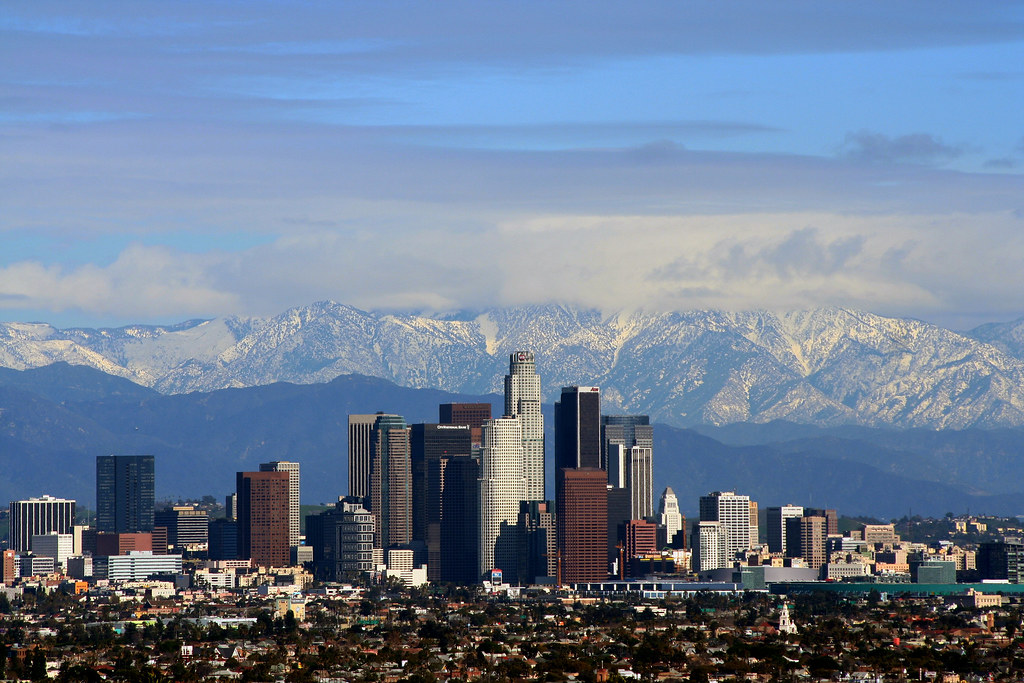
Los Angeles Among U.S. Cities Seeing Tourism Slowdown in 2026
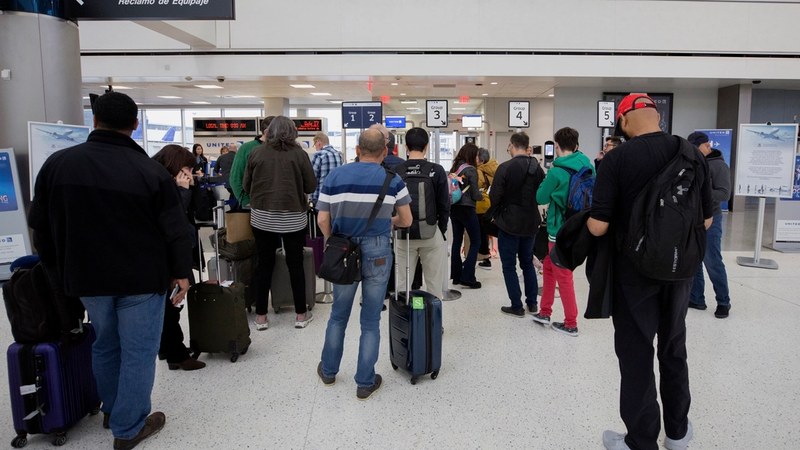
Multiple leading U.S. cities, including Los Angeles, Miami, Orlando, and San Francisco, are facing notable declines in tourism activity amid increasing travel challenges. Industry observers highlight several core factors contributing to this downturn, including rising travel costs, prolonged visa processing delays, and ongoing flight disruptions.
This trend marks a concerning shift for major destination hubs that rely heavily on sustained visitor volumes to support local economies and tourism-related businesses. While the full extent of the decline remains to be determined, the impact resonates across both domestic and international visitor segments.
Factors Driving Tourism Challenges in Key Destinations
The combination of steadily increasing travel expenses — from airfare
to accommodation — has made trips to popular U.S. cities comparatively more costly. This development affects discretionary spending decisions, particularly for leisure travelers.
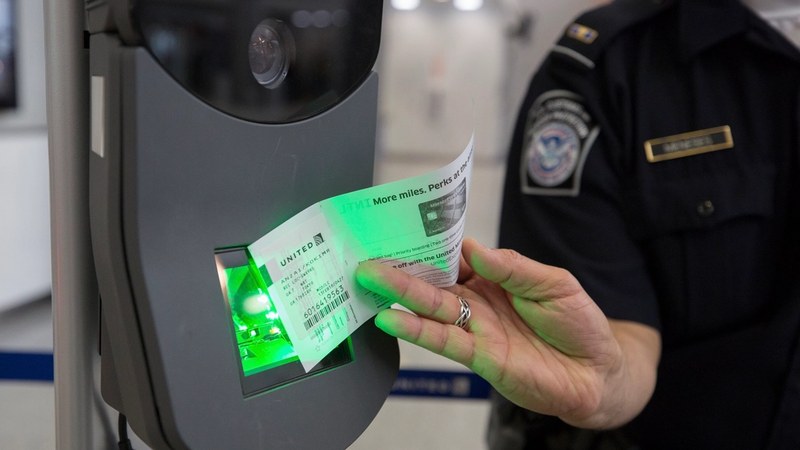
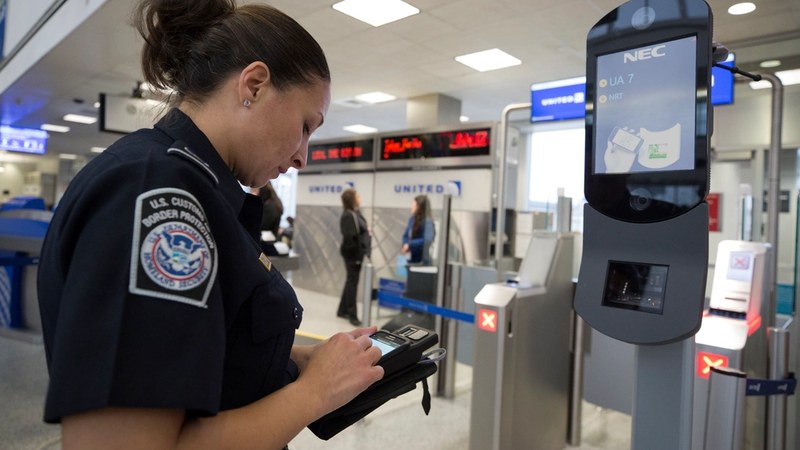
Simultaneously, visa application and approval delays have added uncertainty and extended timelines for international visitors, making planning more challenging. Reports indicate that visa processing backlogs have persisted, limiting timely entry for many prospective travelers.
Flight disruptions linked to staffing shortages and operational constraints have further complicated travel plans, resulting in cancellations and extended delays. These interruptions reduce the overall convenience and reliability of reaching destinations like Los Angeles.
Impact on the U.S. Travel Market and Visitor Experience
As these challenges converge, the broader U.S. travel market
is adjusting to shifts in traveler behavior and volume. Key gateway cities witness fluctuating demand, influencing airline scheduling, hotel occupancy rates, and local tourism services.
American travelers contemplating visits to these cities now face higher costs and potential obstacles, including longer wait times at visa offices and instability in flight availability. This evolving landscape requires enhanced communication and adaptive strategies from tourism stakeholders.
Tourism Industry Response and Business Adaptations
Industry players across accommodation, transportation, and destination marketing sectors are actively seeking to mitigate the effects of the tourism slowdown. There is a growing emphasis on refining customer experience, streamlining booking processes, and promoting value-driven packages.
Local
tourism authorities are also focusing efforts on attracting domestic travelers more aggressively as international arrivals encounter hindrances. Service providers are exploring collaborations to improve traveler facilitation and maintain competitiveness in fluctuating market conditions.
Looking Ahead: Navigating Uncertainties for Major U.S. Destinations
While the current indicators point toward a tourism softening in 2026 for cities like Los Angeles, Miami, Orlando, and San Francisco, the situation remains dynamic. Various factors, including policy updates and airline capacity adjustments, may influence future outcomes.
Ongoing monitoring and responsive measures will be essential for industry participants to sustain recovery momentum once travel conditions stabilize. Collaboration between government, private sector, and tourism boards will likely
play a key role in shaping the sector’s trajectory.
Implications for Travelers and Industry Stakeholders
The evolving travel environment calls for both travelers and businesses to remain aware of potential disruptions and increased travel expenditures. Fortified planning and flexible booking options could help mitigate some challenges faced by tourists navigating visa and flight uncertainties.
At the same time, tourism operators must continuously adapt marketing approaches and service offerings to retain visitor interest and confidence amid an era of fluctuating demand and operational hurdles.