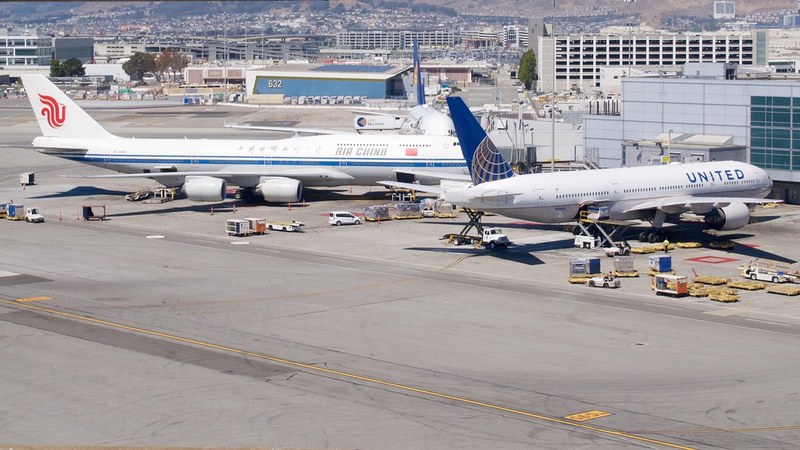
More than 775 flights were delayed and 52 canceled across U.S. airports on Tuesday, August 25, 2026. Boston Logan International Airport recorded the highest delay count at 19, while Nantucket Memorial Airport had the most cancellations with 11.
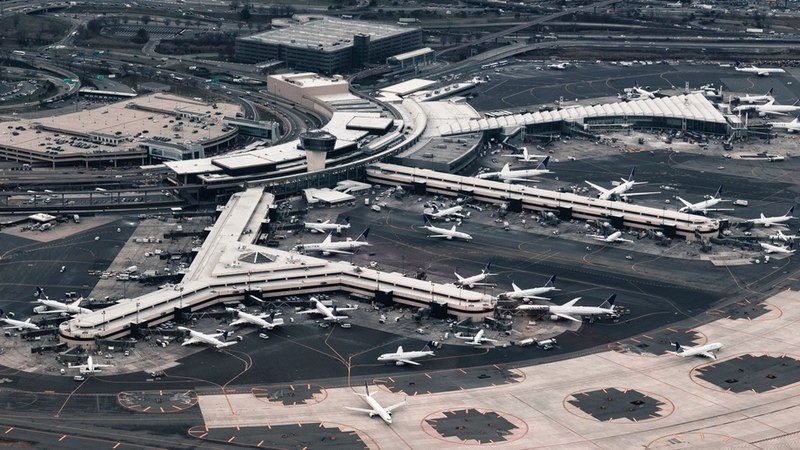
JetBlue led all carriers with 48 delayed flights and 9 cancellations on the day, marking the highest figures among U.S. airlines, according to Hoodline. Other major airports affected included Newark Liberty International and Chicago O’Hare, both operating under federally mandated capacity restrictions.
Weather Disruptions and FAA Operational Responses
Thunderstorms across the Southeast and low cloud ceilings along the West Coast contributed to delays and cancellations at multiple airports,
including Dallas-Fort Worth, Fort Lauderdale, Miami, Orlando, Tampa, Denver, San Francisco, and San Diego. The Federal Aviation Administration (FAA) imposed ground delay programs and ground stops affecting Orlando, Tampa, Miami, Fort Lauderdale, and Denver on August 25 to manage traffic flow amid these conditions.
NJ.com reported that gusty winds were also forecast to impact takeoffs and landings at Newark Liberty International Airport. The FAA limits Newark’s scheduled operations to a maximum of 72 flights per hour through the end of the Summer 2026 scheduling season to reduce congestion and delays.
FAA Staffing Shortages and Recruitment Efforts
The FAA faces a persistent shortage of certified air traffic
controllers, with around 10,800 on staff compared to an internal target of 13,800, representing a 20% deficit. This shortage exacerbates delays during adverse weather and peak travel periods. In key New York region facilities, sick callouts among controllers reached between 40% and 60% earlier in August 2026, as reported by Transportation Secretary Sean Duffy.
To counter staffing gaps, the FAA launched a recruitment campaign in April 2026 targeting video gamers for their multitasking and spatial awareness skills, successfully bringing in over 2,000 trainees and meeting 94% of the agency’s annual hiring target, according to CBS News.
JetBlue Crew Scheduling Issues Amplify Disruptions
JetBlue’s elevated rate of
cancellations and delays partially stems from internal crew scheduling failures. A July 2026 report by the Air Line Pilots Association detailed incidents where JetBlue pilots were stranded overnight and unreachable, forcing the airline to halve operations at JFK Airport and cancel nearly 1,000 flights during a single weekend. These problems increase JetBlue’s sensitivity to weather and staffing related disturbances.
Federal Airport Capacity Limits Impact Flight Operations
Flight operation caps at major hubs constrain recovery options during disruptions. Chicago O’Hare International Airport is limited to 2,708 flights daily from May 17 through October 24, 2026, about 15% below the scheduled airline capacity. This restriction leaves little margin for
delays, often resulting in cancellations when weather condenses arrival windows.
Newark Liberty International Airport’s hourly cap of 72 scheduled flights through Summer 2026 serves a similar purpose, restricting capacity to prevent extensive delays and congestion.
Passenger Rights and Travel Advice
Passengers on flights delayed three hours or more, or canceled, are entitled to automatic cash refunds if they reject rebooking offers, as mandated by U.S. Department of Transportation regulations. Airlines are required to process credit card refunds within seven business days.
Additionally, travelers whose checked luggage is delayed by 12 hours or more on domestic flights must receive automatic bag fee refunds. This threshold extends
to 15 to 30 hours for international flights.
Flight disruption reporting by NJ.com recommends passengers allow extra time for connections at busy airports and to monitor flight status through airline apps or websites. It also advises keeping essential items in carry-on baggage and enabling notifications for gate changes, delays, and cancellations.