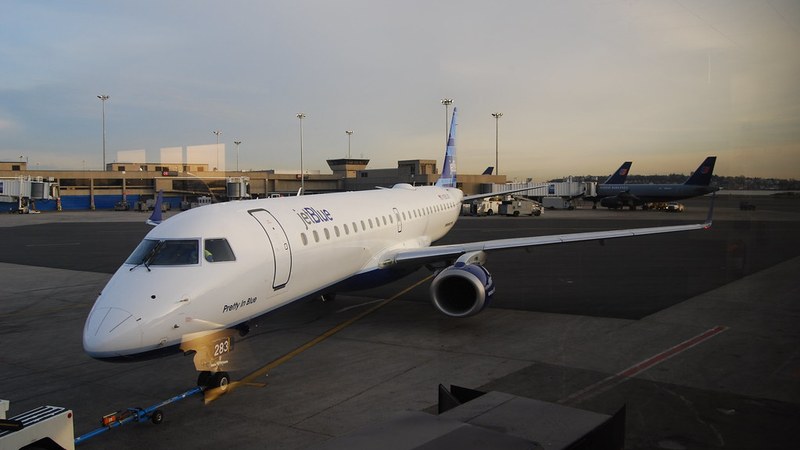
JetBlue experienced the highest number of flight cancellations among U.S. carriers in late July 2026, driven by a combination of severe summer storms, technology failures, and crew scheduling issues. Since mid-July, thousands of flights nationwide have been disrupted as thunderstorms and flooding storms impacted the Northeast.
Boston Logan Airport and New York JFK Airport have been focal points of congestion, where JetBlue’s concentrated network faces ongoing vulnerability to regional weather patterns. Passengers at these airports and other East Coast hubs endured rolling delays, last-minute cancellations, and extended waits at gates, often lasting several hours.
Operational Failures in Crew Scheduling and Pilot Disruptions
The Air Line Pilots Association, representing
more than 4,600 JetBlue pilots, issued a statement on July 20 citing widespread “operational failures” and a system-wide breakdown of crew scheduling. Pilots reported being stranded overnight at airports without timely hotel accommodations and encountering an “effectively unreachable” Crew Scheduling desk, which exacerbated the crisis triggered by the July 18 Northeast storms.
Several cancellations resulted from crew duty time limits under federal regulations expiring after extended delays. The inefficiency in reassigning crews and arranging rest facilities contributed to prolonged disruptions that continued several days after the initial weather events.
Passenger Experience and Service Desk Challenges
JetBlue travelers faced significant difficulties in Boston, New York, and Florida
hubs, with long lines forming at service counters and some desks closing overnight amid the surge in cancellations. Many passengers reported missed connections and overnight stays at airports due to delayed or canceled flights.
Attempts to rebook flights through JetBlue’s digital channels encountered errors and outages, complicating customer efforts to manage travel changes. In some cases, travelers resorted to using alternative carriers at their own expense as JetBlue options remained unavailable for days.
Digital Platform Outages and Internal Support Delays
JetBlue’s website and mobile app experienced intermittent outages and errors during the cancellation and rebooking processes. Passengers described receiving text notifications about cancellations but found themselves unable
to process changes online, leading to missed rebooking or refund opportunities.
JetBlue employees report internal support lines had wait times of five to six hours, hampering crew repositioning and flight recovery efforts. These technology and staffing issues intensified operational challenges amid peak summer travel and persistent weather disruptions.
Industry Context and Regulatory Scrutiny
Industry observers note that while all airlines face weather-related disruptions, JetBlue’s recovery speed has lagged compared to larger competitors during the July 2026 storms. The carrier’s network concentration in weather-prone Northeast corridors, combined with lean staffing and system weaknesses, increased its exposure to operational failures.
JetBlue’s recent crisis follows its earlier role
in providing rescue fares to stranded customers of another airline, drawing increased regulatory and investor attention to its staffing levels, technology investments, and crisis management preparedness for summer peak operations.