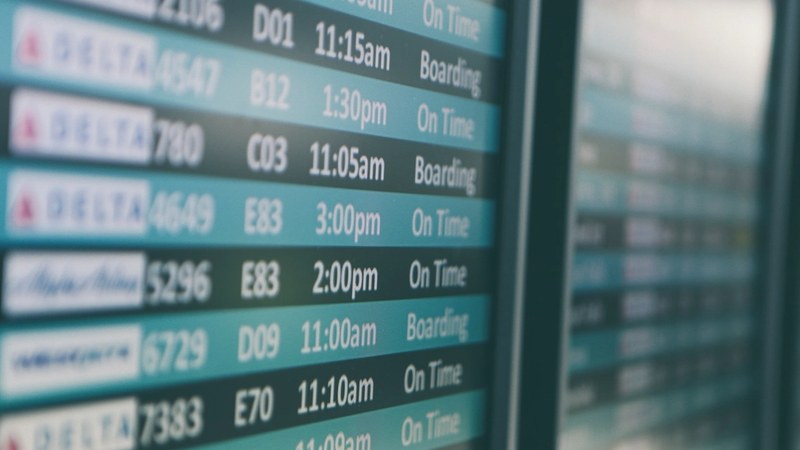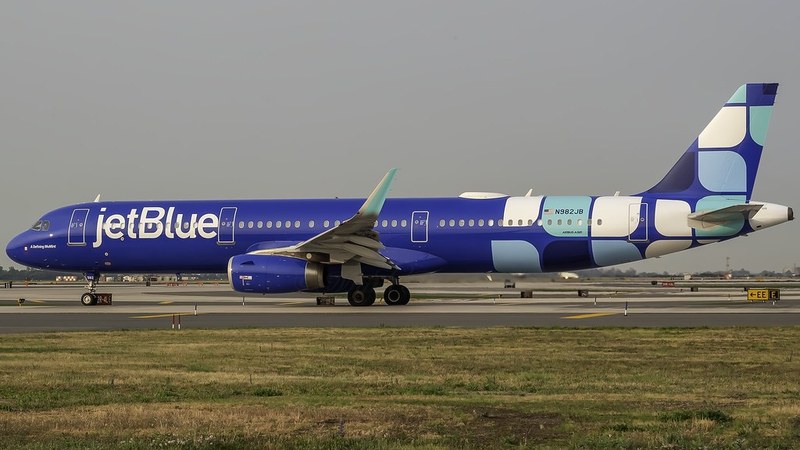
More than 775 flights were delayed and 52 cancelled across airports in the United States on Tuesday, August 25, 2026. JetBlue recorded the highest number of disruptions, with 48 delays and 9 cancellations, leading all US carriers that day.
Weather Affects Multiple Airports with FAA Ground Delays and Stops
Thunderstorms in the Southeast and low cloud ceilings on the West Coast contributed significantly to flight disruptions. The Federal Aviation Administration (FAA) issued ground delay programs and ground stops for several airports, including Orlando, Tampa, Miami, Fort Lauderdale, and Denver. Other affected airports reported weather-related delays and cancellations include Dallas-Fort Worth, San Francisco, and San Diego.
Boston Logan International Airport experienced
the highest number of delays with 19, while Nantucket Memorial Airport recorded the most cancellations at 11. Newark Liberty International Airport operates under a regulatory limit of 72 scheduled operations per hour through the Summer 2026 season to ease congestion caused by increasing traffic and staffing constraints.
FAA Controller Shortages and Absenteeism Compound Delays
The FAA is currently understaffed by roughly 3,000 fully certified air traffic controllers, operating at about 20% below its 13,800-controller target. Training for new certified controllers takes three to five years, limiting the agency’s ability to close this gap swiftly. Earlier this month, Transportation Secretary Sean Duffy reported sick callouts reaching 40% to
60% at FAA facilities in the New York region.
To address the staffing decline, the FAA launched a recruitment campaign in April targeting video gamers for their multitasking skills. This initiative brought in over 2,000 trainees, achieving 94% of the agency’s annual hiring goal.
JetBlue Crew Scheduling Issues and Federal Airport Capacity Restrictions
JetBlue’s elevated cancellations and delays partly result from internal crew scheduling failures. The Air Line Pilots Association noted that these scheduling desk problems caused nearly 1,000 flight cancellations over a prior weekend, severely limiting JetBlue’s operational flexibility during weather and staffing disruptions.
Capacity regulations further restrict airflow at major hubs. Chicago O’Hare International Airport is capped
at 2,708 flights daily from May 17 through October 24, 2026, representing about a 15% reduction from scheduled capacity. These federal hub limits contribute to cancellations when adverse weather like thunderstorms narrows landing and takeoff windows.
Passenger Rights and Refund Policies for Delayed and Cancelled Flights
The US Department of Transportation mandates that passengers on domestic flights delayed three or more hours or cancelled outright are entitled to an automatic refund if they refuse rebooking. Airlines must process these credit card refunds within seven business days. However, through July 2027, airlines have discretion to rebook passengers on renumbered flights without triggering refund obligations if no significant delay occurs.
Additionally, if
checked baggage is delayed over 12 hours on domestic trips or 15-30 hours internationally, passenger fees for baggage must be refunded automatically under DOT consumer protection rules.
Recommendations for Passengers Amid Ongoing Disruptions
Travelers should monitor flight statuses closely via airline apps or websites, enabling notifications for gate updates and delays. Allowing extra time for connections at congested airports such as Boston Logan, Newark Liberty, and Chicago O’Hare is advisable. Keeping essentials in carry-on luggage can mitigate the impact of delayed baggage. Passengers facing cancellations should promptly seek rebooking options to minimize further disruptions.