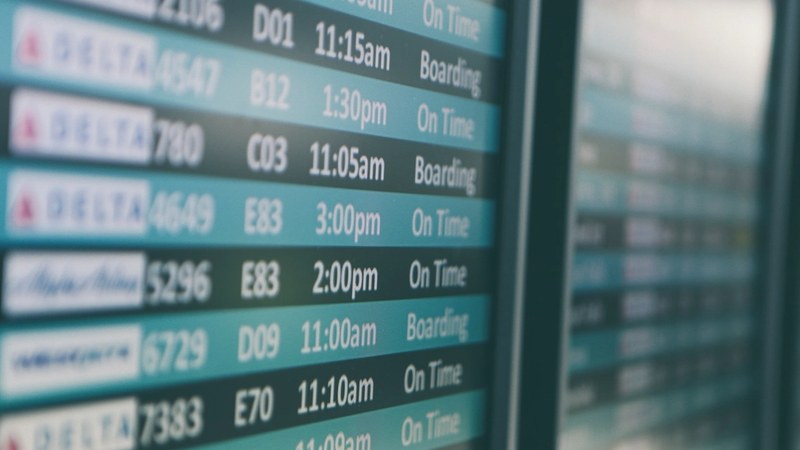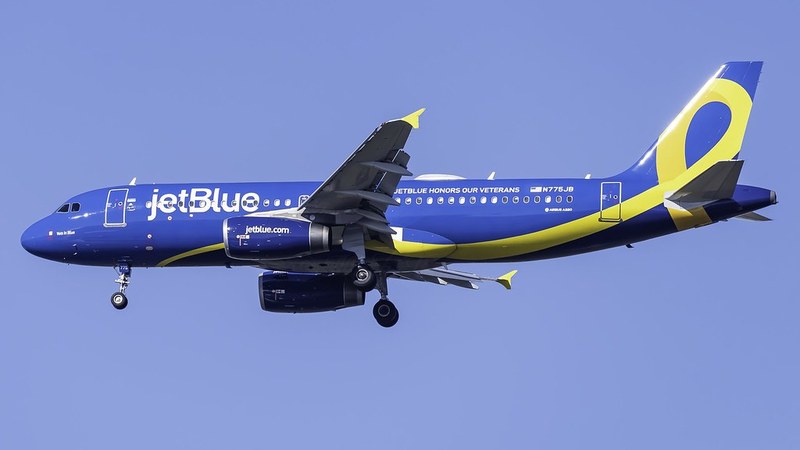
More than 775 flights experienced delays across United States airports on Tuesday, August 25, 2026, with 52 cancellations nationwide. JetBlue led all carriers with 48 delayed flights and 9 canceled flights, the highest totals for any airline that day.
Weather and FAA Operational Controls Affect Flights
Thunderstorms in the Southeast and low cloud ceilings on the West Coast caused significant operational disruption. Boston Logan International Airport recorded 19 flight delays, the most of any airport on the date, while Nantucket Memorial Airport saw 11 cancellations, the highest cancellation count nationally. The Federal Aviation Administration (FAA) implemented ground delay programs and ground stops impacting Orlando, Tampa, Miami, Fort
Lauderdale, and Denver airports.
Delays and cancellations due to thunderstorms were also reported at Dallas-Fort Worth, Fort Lauderdale, Miami, Orlando, Tampa, and Denver. Low cloud cover affected arrivals and departures at San Francisco and San Diego airports. Newark Liberty International Airport operated under a federally imposed slot cap limiting scheduled operations to 72 per hour through the end of the summer 2026 scheduling season.
FAA Staffing Shortages Increase System Strain
The FAA is currently short about 3,000 fully certified air traffic controllers, operating with 10,800 personnel instead of the targeted 13,800. This 20% staffing gap affects staffing at towers and radar centers nationwide. Earlier in August
2026, sick callouts at key FAA New York region facilities reached rates between 40% and 60%, further reducing air traffic control capacity.
The FAA’s April 2026 recruitment campaign targeting individuals with gaming experience exceeded expectations, bringing in more than 2,000 new trainees and meeting 94% of the annual hiring goal. Despite this, new controllers require three to five years of specialized facility training to attain full certification, so staffing deficits continue to challenge operational efficiency.
JetBlue’s Internal Scheduling Issues Worsen Delays
JetBlue’s operational disruptions on August 25 add to ongoing issues stemming from crew scheduling system failures documented in July 2026. These failures previously forced JetBlue
to reduce operations at John F. Kennedy International Airport by half and cancel nearly 1,000 flights in a single weekend. The airline’s scheduling problems contribute to its vulnerability to cascading delays and cancellations during periods of strain on the national air traffic network.
Federal Slot Limits Constrain Airport Capacity
To manage congestion during the 2026 summer travel season, federal regulators capped daily flight operations at Chicago O’Hare International Airport at 2,708 flights, roughly 15% below scheduled airline demand from May 17 through October 24, 2026. Newark Liberty International Airport’s slot cap of 72 operations per hour also limits throughput. These federally imposed restrictions reduce available operational
buffers, often leading to cancellations rather than delayed flights when weather impacts arrival and departure sequencing.
Passenger Refund Rights Under DOT Regulations
Under Department of Transportation (DOT) rules, airline passengers with domestic flights delayed more than three hours or canceled entirely are entitled to automatic cash refunds if they decline alternative rebooking. Airlines must issue refunds within seven business days of the disruption. A DOT policy update allows airlines through July 2027 to rebook passengers on renumbered flights without obligation to refund, provided the trips operate without significant delay.
Separate regulations require airlines to refund baggage fees when checked luggage is delayed beyond 12 hours for
domestic flights or between 15 to 30 hours for international flights.
Travelers Should Monitor Flights and Prepare for Delays
Passengers are advised to allow extra connection time at congested airports on affected routes including Boston, New York region hubs, and Chicago O’Hare. Keeping essential items in carry-on luggage and enabling app notifications for status changes are recommended. Travelers facing cancellations should promptly rebook flights to limit disruption. Flight status updates via airline apps or websites remain critical due to dynamic weather and operational conditions.