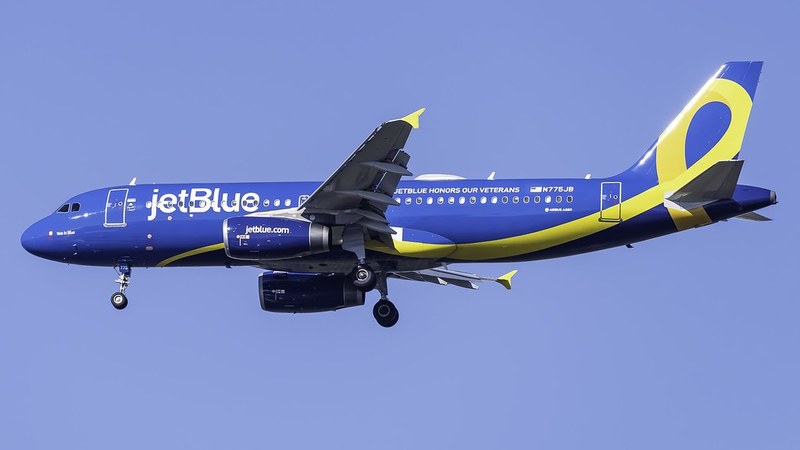
JetBlue Airways halted all flights to and from John F. Kennedy International Airport (JFK) on July 22, 2026, due to widespread thunderstorms impacting the Northeast United States. The Federal Aviation Administration (FAA) issued ground stops at multiple airports including Baltimore, Boston Logan, Newark, JFK, Washington Dulles, and Washington National in response to severe weather and airspace congestion.
Flight Cancellations and Delays
On July 21, JetBlue canceled 257 flights and reported 373 severe delays. The airline also canceled 147 flights on July 20, 293 flights on July 19, and 307 flights on July 18. American Airlines canceled 314 flights on July 22, representing about 8%
of its daily schedule. These cancellations were concentrated largely at JFK and other Northeast airports affected by the storm system.
Operational Impact at JFK and Crew Challenges
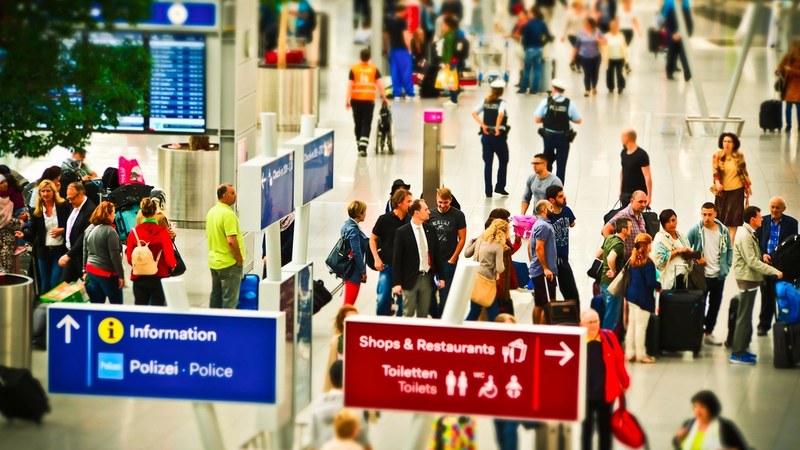
Departures at JFK faced delays averaging 90 minutes on July 22, while arrivals were suspended entirely due to thunderstorms and airport congestion. JetBlue’s Crew Scheduling department proved effectively unreachable during the disruption. Capt. Wayne Scales, chairman of JetBlue’s Master Executive Council, reported pilots endured hours-long hold times and many crews were stranded at airports without overnight accommodations.
Statements from Pilots and Industry Authorities
The Air Line Pilots Association (ALPA) criticized JetBlue for extensive delays that worsened conditions for customers across its entire network. ALPA highlighted systemic
scheduling failures that prevented repositioning of crews and aircraft despite available airport slots. Capt. Scales emphasized the airline’s failure to provide hotels for stranded crews as the operational meltdown unfolded.
Causes and Network Vulnerabilities
The disruptions stemmed from severe thunderstorms and resulting FAA ground stops affecting Northeast airports. JetBlue’s heavy concentration of flights in weather-sensitive hubs like JFK amplified the operational impact. Chronic underinvestment in crew scheduling, insufficient staffing, and lack of prearranged hotel accommodations contributed to the scale of delays and cancellations. The airline’s rapid network growth and thin operational buffers further limited its ability to absorb localized weather shocks.
Passenger Experience and Industry Context
JetBlue passengers at
JFK faced widespread cancellations and extended delays, with limited rebooking options and difficulty reaching customer service during the storm event. Crews stranded without accommodations compounded operational challenges. JetBlue’s history of summer weather disruptions, including a technology outage in March 2026, and previous regulatory scrutiny for chronic delays, frame the current incident as a recurring failure to strengthen operational resilience.
Internal Assessments and Official Quotes
An internal JetBlue memo leaked by aviation insider JonNYC noted, “Many flights are seeing even longer delays from earlier ground stops. LGA is experiencing similar issues, and BOS is also ground-stopped.” ALPA stated, “conditions for customers were often made worse with
unnecessary and extensive delays across JetBlue’s entire network.” Capt. Scales remarked, “JetBlue’s Crew Scheduling department was effectively unreachable, with pilots experiencing hours-long hold times. Many pilots and crews were left stranded at the airport as the Company failed to even provide overnight accommodations.”