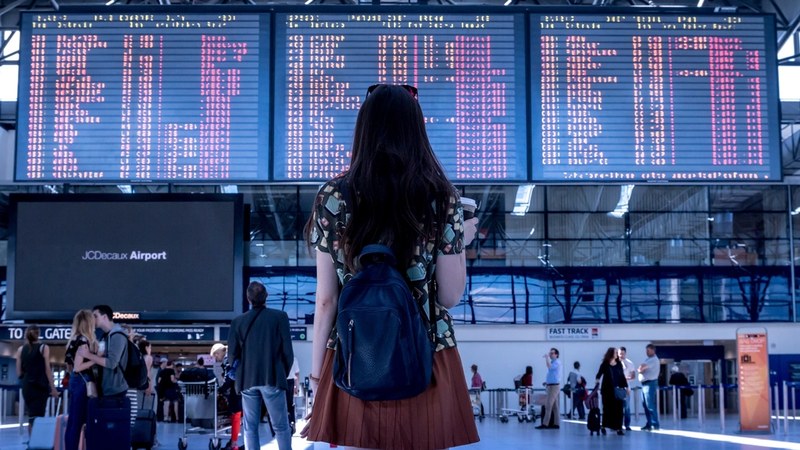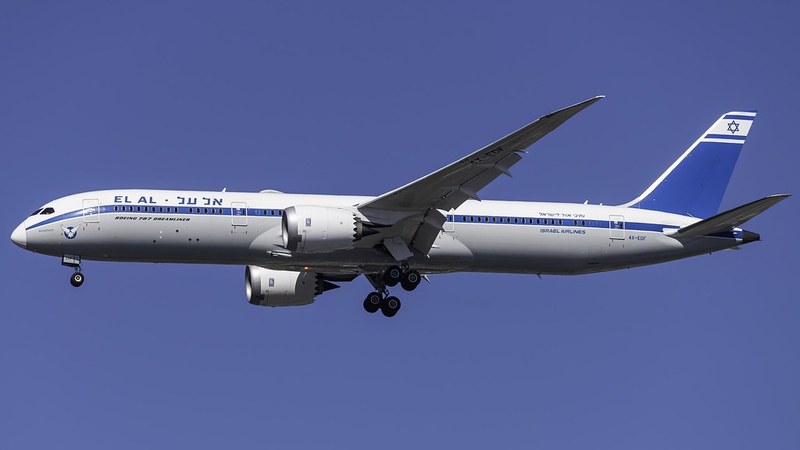
International tourism to Israel plunged significantly in 2026 as fewer flights, high ticket prices, and perceived safety risks deterred visitors. Despite this downturn, EL AL Israel Airlines posted strong business growth in the second quarter of 2026, doubling its net profit amid reduced competition and continued operations.
Tourism Decline Hits Jerusalem Merchants as Visitor Numbers Fall
Tourism fell sharply from a record 4.5 million visitors in 2019 to about 1.3 million in 2025. The first half of 2026 saw around 440,000 foreign arrivals, with 36% from the United States. Month-to-month data showed 64,400 tourist arrivals in May 2026 compared to 124,000 in May 2025, and 81,900 in June 2026
versus 55,300 a year earlier. Israeli hotels recorded 5.1 million overnight stays from January to April 2026, of which 84% were by domestic guests.
Merchants in Jerusalem’s Old City, representing Jewish, Muslim, Christian and Armenian communities, reported severe business declines. The lack of international flights, high airfare costs, and ongoing safety concerns suppressed visitor numbers. This shared economic hardship highlights the interconnected nature of Jerusalem’s tourism economy, which depends on a diverse visitor base.
EL AL Israel Airlines Posts Strong Financial Performance Amid Regional Disruptions
While many international airlines curtailed Tel Aviv flights due to regional conflict, EL AL maintained operations, strengthening its market position. In the second quarter of 2026,
EL AL reported a net profit of $132 million, doubling the $66 million logged in the same quarter a year earlier. Revenue grew from $777 million to $986 million.
EL AL’s passenger load factor remained near 90%. The airline holds an advance booking order backlog worth approximately $1.4 billion. To support growth, EL AL added Boeing 737 aircraft and returned older Boeing 777s to service. It also signed an agreement to install Starlink high-speed internet on its fleet starting in 2027.
Ministry of Tourism Responds with Targeted Campaigns and Domestic Focus
Michael Izhakov, Director-General of the Israel Ministry of Tourism, emphasized that “when there are no flights, there is no
tourism.” The ministry launched the NIS 20 million “I AM ISRAEL” campaign, targeting North American Jewish and Christian travelers. Rather than conventional beach and religious site images, the campaign highlights Israeli people, culture, and everyday life.
The ministry is prioritizing domestic tourism and working to expand international air capacity, especially from the U.S. Tourism officials, together with stakeholders and U.S. Ambassador Mike Huckabee, convened the Israel Tourism Recovery Forum to focus on rebuilding air connections and visitor confidence.
Investments in Infrastructure and Technology Amid Tourism Crisis
The Qasr al-Yahud baptism site, a key Christian pilgrimage location along the Jordan River, was renovated with a NIS 25 million investment
by the Ministry of Tourism in cooperation with Israeli authorities. Additionally, the ministry is exploring artificial intelligence applications and augmented reality projects like “100 Stories” to enrich visitor experiences.
Despite geopolitical challenges, these initiatives aim to preserve tourism assets and prepare for a future recovery when international flight volumes increase and global perceptions improve.
Paradox of EL AL’s Growth Amid Tourism Downturn
EL AL’s profitability contrasts with the struggles of ground-level merchants suffering from the tourism decline. The reduced presence of international carriers allowed EL AL to capture more market share, maintaining flight connectivity that many airlines suspended.
The tourism industry’s challenges stem from lasting changes in global
perceptions of Israel due to ongoing conflict and war concerns. The Ministry of Tourism recognizes that overcoming these perception barriers will require more than advertising, as potential visitors evaluate both personal safety and the country’s international image.
As Izhakov stated, flights are a prerequisite for tourism. Until international aviation fully recovers, and war-related fears subside, Israel’s tourism sector will continue facing unprecedented difficulties despite operational resilience and marketing efforts.