Indonesia’s Pelindo Regional 3 ports recorded a 68% increase in cruise calls in the first half of 2025, hosting 107 cruise visits and carrying 224,136 passengers, a 69% year-on-year increase, according to eTurboNews reports.
Benoa Port in Bali handled 37.4% of those ship calls and received 86,616 passengers during this period, maintaining its role as the country’s leading cruise gateway. Major infrastructure projects aim to improve cruise tourism capacity and ease foreign vessel access through updated regulations.
Benoa Port Infrastructure Enhancements
Benoa Port underwent significant upgrades including expansion of its turning basin to 580 meters, navigation channel dredging to a depth of minus 12
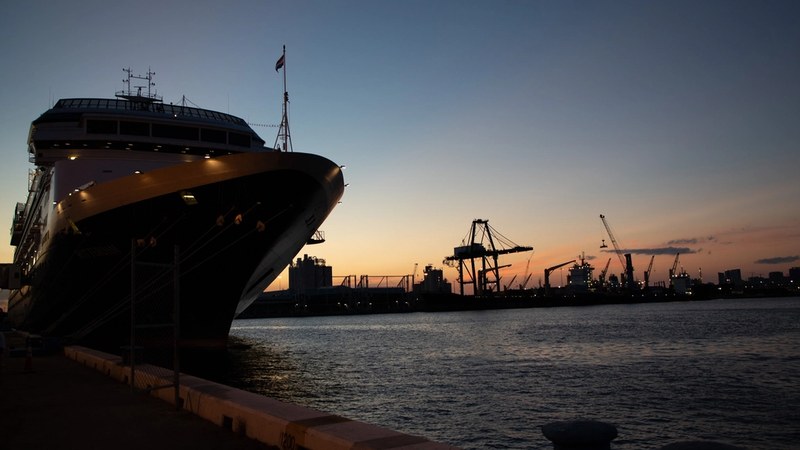
meters MLWS, and a widened navigation channel of 200 meters. These improvements facilitated the port’s ability to accommodate large vessels such as Royal Caribbean’s Anthem of the Seas, a 348-meter ship measuring approximately 167,800 gross tons, which berthed in February 2025.
These physical enhancements support Indonesia’s objective to transition Benoa from a port-of-call destination to a cruise turnaround and eventual homeport, increasing local economic benefits by attracting passengers who embark and disembark in Bali.
Updated Regulatory Framework Facilitates Cruise Growth
Indonesia’s current regulatory framework is established by Transportation Minister Regulation PM 4 of 2022, governing entry and exit of foreign yachts and cruise ships. This was
amended by PM 14 of 2023 to expand authorized ports for embarkation and disembarkation of foreign cruise passengers.
This expanded access aids Indonesia’s integration into international cruise itineraries, permitting visits to multiple island destinations such as Lombok, Komodo, Flores, Java, Sulawesi, and Papua, enhancing itinerary diversity in the archipelago.
Infrastructure and Environmental Challenges
Beyond port infrastructure, challenges remain in customs, immigration, baggage handling, ground transport, potable water supply, waste and sewage management, electricity reliability, and shore power provision for docked vessels. Such facilities are critical as passenger volumes grow, particularly in eastern Indonesia’s dispersed geography.
Pelindo and the state electricity company, PLN, have initiated
green-port programs including plans for shore electricity to reduce emissions while ships berth. Additionally, Benoa will host a waste-to-energy facility as part of broader government waste management initiatives.
Community and Environmental Considerations
Benoa’s port expansion follows past controversy, including a 2019 halt ordered by Bali’s Governor Wayan Koster after 17 hectares of mangrove forest were destroyed during reclamation work. Environmental concerns remain prominent, especially regarding impacts on coral reefs, mangroves, and protected areas like Komodo National Park.
Research in eastern Indonesia highlights the need for equitable tourism benefit sharing and community involvement in excursion management. Indonesia aims to improve local economic retention by promoting
community-owned businesses and direct local spending, moving beyond simply increasing passenger arrival numbers.
In 2024, Cruise Lines International Association and Tourism Economics estimated Southeast Asia cruise tourism generated $10 billion in economic output, contributing $4.5 billion to GDP and supporting approximately 530,000 jobs. Indonesia targets capturing a larger share through infrastructure upgrades and regulatory reforms.
Indonesia faces strong regional competition from established hubs like Singapore, which reported over two million cruise passengers in 2023, and Port Klang, which has expanded homeport operations. Enhancing infrastructure and regulatory frameworks aims to position Indonesia competitively within Southeast Asia’s growing cruise market.