Indonesia recorded 12.01 million foreign tourist arrivals from January through September 2026, the highest total since 2020, according to Statistics Indonesia (BPS). In September 2026 alone, foreign tourist visits totaled 1,427,114, marking a 10.79 percent decrease compared to August but a 2.31 percent increase year-on-year.
Tourist Origins and Monthly Changes
Malaysia remained the largest source market for Indonesian tourism in September 2026, accounting for 16.76 percent of visits or roughly 239,000 arrivals. Australia was the second largest source with 177,350 visits, representing 12.43 percent of the total, followed by China at 153,570 visits or 10.76 percent. Singapore contributed approximately 9.42 percent of foreign tourist visits.
Chinese tourists experienced a significant year-on-year increase in September 2026, rising by 35.59 percent compared to September 2025. However, arrivals from China fell 5.53 percent compared to August 2026. Malaysian arrivals also declined month-on-month by 19.24 percent, while Australian arrivals increased by 3.15 percent in the same period.
Primary Entry Points for International Tourists
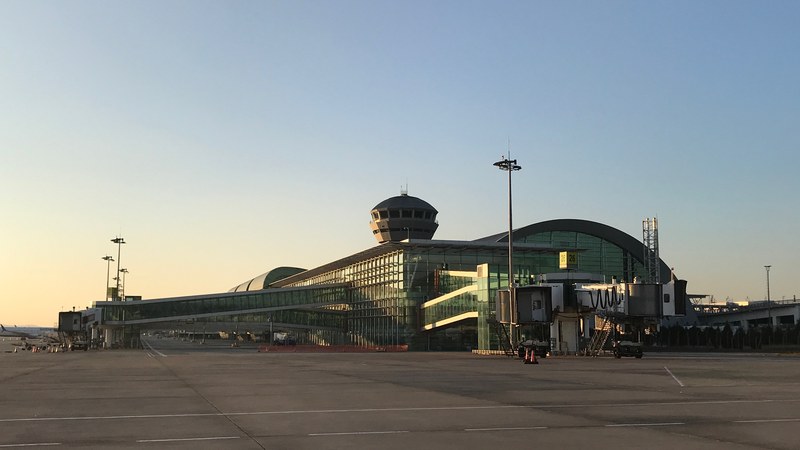
I Gusti Ngurah Rai International Airport in Bali remained Indonesia’s primary international entry point for tourists in September 2026. The airport processed the highest number of arrivals, with Australian passport holders comprising the largest group entering through Ngurah Rai. Other main airports used by international visitors included Soekarno-Hatta International Airport in Tangerang,
Hang Nadim Airport in Batam, and Kualanamu Airport in Deli Serdang.
Out of the total 1,427,114 foreign tourist visits recorded in September 2026, 1,282,308 entered through these main entry points, while 144,806 visits were recorded through border crossings.
Vacation Purposes and Spending Patterns
In the third quarter of 2026, approximately 79 percent of foreign visitors came to Indonesia for vacation purposes. Average spending per foreign tourist amounted to 1,374.48 U.S. dollars, an increase from 1,285 dollars in the second quarter of the year and 1,297.31 dollars in the same quarter of 2025.
Accommodation expenses represented the largest portion of spending at 497.12 dollars per visit.
Food and beverage expenditures averaged 271.33 dollars, while spending on goods and souvenirs was 148.93 dollars per tourist visit.
Official Statements and Tourism Sector Recovery
Ateng Hartono, Deputy for Distribution and Services Statistics at BPS, noted that despite month-on-month decreases, foreign tourist arrivals show sustained year-on-year growth. “In total, the number of foreign tourist visits was 1.43 million, a decrease of 10.79 percent month-on-month, while year-on-year it increased by 2.31 percent,” he said. Hartono also emphasized that the 12.01 million visits from January to September 2026 are the highest since 2020.
He highlighted the rise in average tourist spending compared to the previous quarter, commenting, “This
figure has increased compared to the average spending in the previous quarter.” The increase signals growth in accommodation, dining, and retail sectors related to tourism.
Context and Traveler Impact
Indonesia’s tourism figures for the first nine months of 2026 approach the pre-pandemic level of 12.10 million foreign visitors recorded in the same period of 2019. The resurgence follows disruptions that began in 2020 due to the COVID-19 pandemic.
Bali remains the main gateway for international tourists, reinforcing its key role in Indonesia’s travel landscape. The rise in average spending per visitor to over 1,374 dollars reflects either increased travel costs or enhanced tourism experiences.
Tourism Trends and Industry Observations
Monthly fluctuations in arrivals, such as the drop in September compared to August 2026, indicate that tourism growth must be assessed over longer timelines. The increased arrivals from China and Australia underscore the importance of these markets in Indonesia’s overall tourism recovery.
Flight availability, airport infrastructure at key entry points like Ngurah Rai and Soekarno-Hatta airports, and service quality remain crucial factors affecting inbound tourist numbers.